Saudi Market Edges Higher as Tadawul Posts Narrow 0.05% Gain Amid Mixed Sector Moves
The benchmark index closed slightly higher, reflecting cautious investor sentiment and uneven performance across Saudi equities as regional energy and geopolitical signals continue to shape trading conditions.
SYSTEM-DRIVEN
Saudi Arabia’s stock market performance is being shaped by the structure of regional capital flows, energy-linked earnings, and broader macroeconomic signals rather than any single corporate or political event.
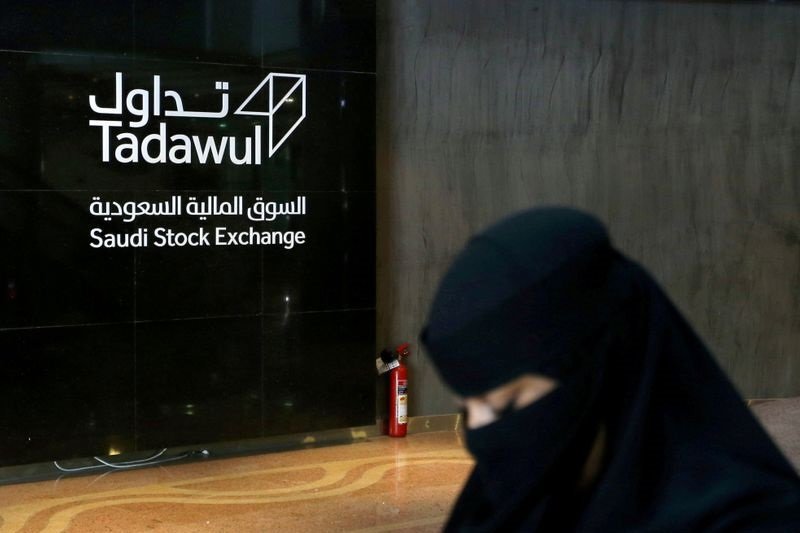
The Tadawul All Share Index, the kingdom’s main equity benchmark, closed up 0.05%, a marginal move that nonetheless reflects the delicate balance between supportive fundamentals and external uncertainty.
What is confirmed is that the index finished the session in positive territory, but the scale of the gain was minimal, indicating a market that is neither strongly risk-on nor decisively defensive.
Such narrow movements are common in Gulf markets when oil prices, global interest-rate expectations, and geopolitical developments send mixed signals to investors.
Sector-level performance, where available, shows that gains and losses were distributed unevenly across listed companies rather than concentrated in a single driver.
In similar sessions, financials, materials, and energy-related stocks typically exert the greatest influence on direction, given their weight in the Saudi market structure and their sensitivity to global commodity cycles.
Broader regional context adds explanatory pressure.
Gulf equities have recently been influenced by fluctuations in crude oil prices and geopolitical developments affecting the Middle East energy corridor, including shipping routes and supply expectations.
These factors tend to compress volatility into narrow index ranges, where headline movements appear small but mask rotation beneath the surface.
The key issue is that Saudi Arabia’s equity market is heavily anchored to energy revenues and sovereign-linked investment flows.
Even when domestic corporate performance is stable, global oil price expectations and capital allocation decisions by large institutional investors can dominate daily index behavior.
The implication of a 0.05% rise is not strength or weakness in isolation, but continuity in a market that is waiting for stronger signals.
Without a decisive shift in oil pricing, liquidity conditions, or policy direction affecting foreign inflows, index movements are likely to remain constrained within tight bands.
The trading session therefore reflects a broader pattern: stability without momentum.
The market remains functional and liquid, but directional conviction is limited, leaving the index to respond incrementally to external macroeconomic cues rather than internal catalysts.
Saudi Arabia’s stock market performance is being shaped by the structure of regional capital flows, energy-linked earnings, and broader macroeconomic signals rather than any single corporate or political event.
The Tadawul All Share Index, the kingdom’s main equity benchmark, closed up 0.05%, a marginal move that nonetheless reflects the delicate balance between supportive fundamentals and external uncertainty.
What is confirmed is that the index finished the session in positive territory, but the scale of the gain was minimal, indicating a market that is neither strongly risk-on nor decisively defensive.
Such narrow movements are common in Gulf markets when oil prices, global interest-rate expectations, and geopolitical developments send mixed signals to investors.
Sector-level performance, where available, shows that gains and losses were distributed unevenly across listed companies rather than concentrated in a single driver.
In similar sessions, financials, materials, and energy-related stocks typically exert the greatest influence on direction, given their weight in the Saudi market structure and their sensitivity to global commodity cycles.
Broader regional context adds explanatory pressure.
Gulf equities have recently been influenced by fluctuations in crude oil prices and geopolitical developments affecting the Middle East energy corridor, including shipping routes and supply expectations.
These factors tend to compress volatility into narrow index ranges, where headline movements appear small but mask rotation beneath the surface.
The key issue is that Saudi Arabia’s equity market is heavily anchored to energy revenues and sovereign-linked investment flows.
Even when domestic corporate performance is stable, global oil price expectations and capital allocation decisions by large institutional investors can dominate daily index behavior.
The implication of a 0.05% rise is not strength or weakness in isolation, but continuity in a market that is waiting for stronger signals.
Without a decisive shift in oil pricing, liquidity conditions, or policy direction affecting foreign inflows, index movements are likely to remain constrained within tight bands.
The trading session therefore reflects a broader pattern: stability without momentum.
The market remains functional and liquid, but directional conviction is limited, leaving the index to respond incrementally to external macroeconomic cues rather than internal catalysts.