Saudi Arabia Accelerates Road Network Upgrades Ahead of Hajj
Authority deploys advanced surveying technology as part of broader transport readiness plan.
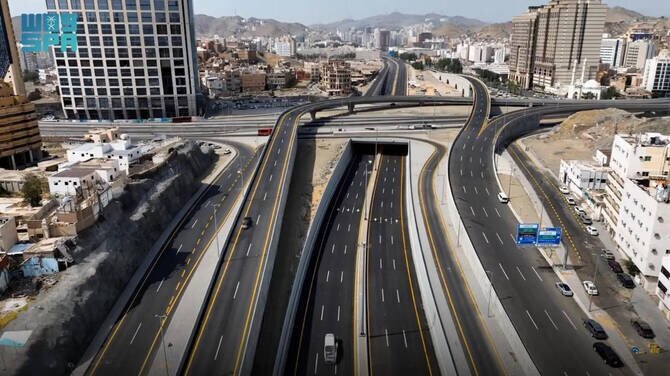
Riyadh, Saudi Arabia - The Kingdom of Saudi Arabia is accelerating a significant upgrade of its national road network to enhance safety and efficiency for pilgrims during the upcoming Hajj season.
This major initiative forms part of a comprehensive, multi-sector transport strategy being undertaken by Saudi authorities to ensure readiness across all modes of transportation.
According to reports from the Saudi Press Agency (SPA), the Roads General Authority, which operates under the Ministry of Transport and Logistic Services, is employing what it deems the world's largest fleet of advanced road surveying equipment.
The specialized technology includes high-resolution cameras and laser sensors capable of detecting surface defects with precision down to 0.05 millimeters, as well as systems for measuring pavement thickness, road alignment, and skid resistance.
The purpose of deploying such sophisticated equipment is twofold: firstly, to make informed maintenance decisions that improve overall road condition; secondly, to reduce road fatalities to fewer than five per 100,000 people—a benchmark set by the International Road Assessment Program.
This approach aims to ensure smoother traffic flow for pilgrims traveling between holy sites.
The road network upgrades are part of a broader transport ecosystem prepared for the Hajj season in 2026.
The Ministry of Transport has announced operational readiness across all modes of transportation, including aviation, rail, maritime, and land transport.
For instance, more than 3.1 million seats have been allocated on over 12,000 flights with six major hub airports staffed by around 22,000 personnel.
Off-site baggage check-in and the expanded pre-shipment of Zamzam water are among the aviation sector's initiatives to mitigate congestion.
Rail networks, expected to carry millions of passengers, include the Al-Mashaaer Al-Mugaddassah Metro, serving over two million riders within Makkah, and the Haramain High-Speed Railway with seats for more than 2.2 million passengers connecting the cities of Makkah and Madinah.
Road transport is set to be supported by some 33,000 buses and 5,000 taxis, alongside inspection and traffic management teams.
Logistics and maritime operations are also being bolstered, with Saudi Post expanding its delivery fleet and the Saudi Ports Authority finalizing arrival procedures at Jeddah Islamic Port.
The National Transport Safety Center will remain on standby to coordinate emergency responses.
The collective measures reflect Saudi Arabia's commitment to delivering a seamless, multi-modal transport experience for millions of pilgrims while advancing its goal of becoming a global logistics hub.
This major initiative forms part of a comprehensive, multi-sector transport strategy being undertaken by Saudi authorities to ensure readiness across all modes of transportation.
According to reports from the Saudi Press Agency (SPA), the Roads General Authority, which operates under the Ministry of Transport and Logistic Services, is employing what it deems the world's largest fleet of advanced road surveying equipment.
The specialized technology includes high-resolution cameras and laser sensors capable of detecting surface defects with precision down to 0.05 millimeters, as well as systems for measuring pavement thickness, road alignment, and skid resistance.
The purpose of deploying such sophisticated equipment is twofold: firstly, to make informed maintenance decisions that improve overall road condition; secondly, to reduce road fatalities to fewer than five per 100,000 people—a benchmark set by the International Road Assessment Program.
This approach aims to ensure smoother traffic flow for pilgrims traveling between holy sites.
The road network upgrades are part of a broader transport ecosystem prepared for the Hajj season in 2026.
The Ministry of Transport has announced operational readiness across all modes of transportation, including aviation, rail, maritime, and land transport.
For instance, more than 3.1 million seats have been allocated on over 12,000 flights with six major hub airports staffed by around 22,000 personnel.
Off-site baggage check-in and the expanded pre-shipment of Zamzam water are among the aviation sector's initiatives to mitigate congestion.
Rail networks, expected to carry millions of passengers, include the Al-Mashaaer Al-Mugaddassah Metro, serving over two million riders within Makkah, and the Haramain High-Speed Railway with seats for more than 2.2 million passengers connecting the cities of Makkah and Madinah.
Road transport is set to be supported by some 33,000 buses and 5,000 taxis, alongside inspection and traffic management teams.
Logistics and maritime operations are also being bolstered, with Saudi Post expanding its delivery fleet and the Saudi Ports Authority finalizing arrival procedures at Jeddah Islamic Port.
The National Transport Safety Center will remain on standby to coordinate emergency responses.
The collective measures reflect Saudi Arabia's commitment to delivering a seamless, multi-modal transport experience for millions of pilgrims while advancing its goal of becoming a global logistics hub.