German Fertilizer Makers and Farmers Grapple with Iran Conflict Fallout
Wittenberg's chemical plant ramping up production to meet global fertilizer demand amid Hormuz Strait blockade.
The ongoing tension involving the closure of the Strait of Hormuz has led Wittenberg, a German town, to intensify its efforts in manufacturing essential fertilizers.
The SKW company, which took over the site founded in 1915 during World War I, is playing a crucial role in addressing the global shortage.
The plant produces nitrogen for both explosives and fertilizers, ensuring that vital supplies are not hindered by blockades, as was the case more than a century ago when Chilean raw materials were blocked.
The strategic location of SKW's sprawling 220-hectare site, equipped with a comprehensive 23-kilometer rail network, enables efficient transportation of urea, ammonia, and finished fertilizers across Germany and other parts of Europe.
As one of the largest producers of urea in Germany, the company has significantly increased its production to compensate for the shortfall caused by the Hormuz blockade.
The plant's warehouses now stock substantial quantities of white powder, an essential component of fertilizers.
Despite market volatility and soaring energy costs, SKW anticipates a 10-20% increase in revenue this year.
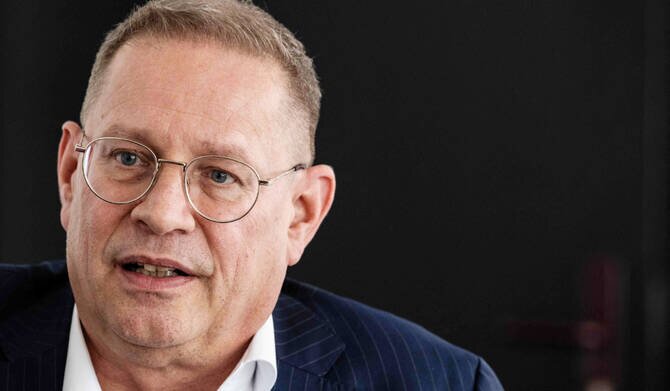
However, CEO Carsten Franzke emphasizes that the company does not seek to profit from the conflict and is expected to merely break even once these additional costs are taken into account.
The World Trade Organization has expressed concern over the impact of the Strait of Hormuz blockade on global food security, particularly affecting regions such as Africa and South Asia.
In response, SKW and other European producers are ramping up their operations to maintain a steady supply of fertilizers, ensuring that they play their part in addressing this critical issue.
The SKW company, which took over the site founded in 1915 during World War I, is playing a crucial role in addressing the global shortage.
The plant produces nitrogen for both explosives and fertilizers, ensuring that vital supplies are not hindered by blockades, as was the case more than a century ago when Chilean raw materials were blocked.
The strategic location of SKW's sprawling 220-hectare site, equipped with a comprehensive 23-kilometer rail network, enables efficient transportation of urea, ammonia, and finished fertilizers across Germany and other parts of Europe.
As one of the largest producers of urea in Germany, the company has significantly increased its production to compensate for the shortfall caused by the Hormuz blockade.
The plant's warehouses now stock substantial quantities of white powder, an essential component of fertilizers.
Despite market volatility and soaring energy costs, SKW anticipates a 10-20% increase in revenue this year.
However, CEO Carsten Franzke emphasizes that the company does not seek to profit from the conflict and is expected to merely break even once these additional costs are taken into account.
The World Trade Organization has expressed concern over the impact of the Strait of Hormuz blockade on global food security, particularly affecting regions such as Africa and South Asia.
In response, SKW and other European producers are ramping up their operations to maintain a steady supply of fertilizers, ensuring that they play their part in addressing this critical issue.