Saudi-Backed Forces Regain Strategic Ground From UAE-Aligned Separatists in Yemen
Government troops advance in southern Yemen as Riyadh moves to stabilise territory amid internal rifts
Forces aligned with Yemen’s internationally recognised government and backed by Saudi Arabia have retaken territory from UAE-supported southern separatists, marking a notable shift in control in parts of the country’s south.
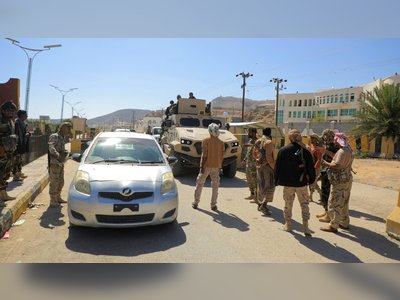
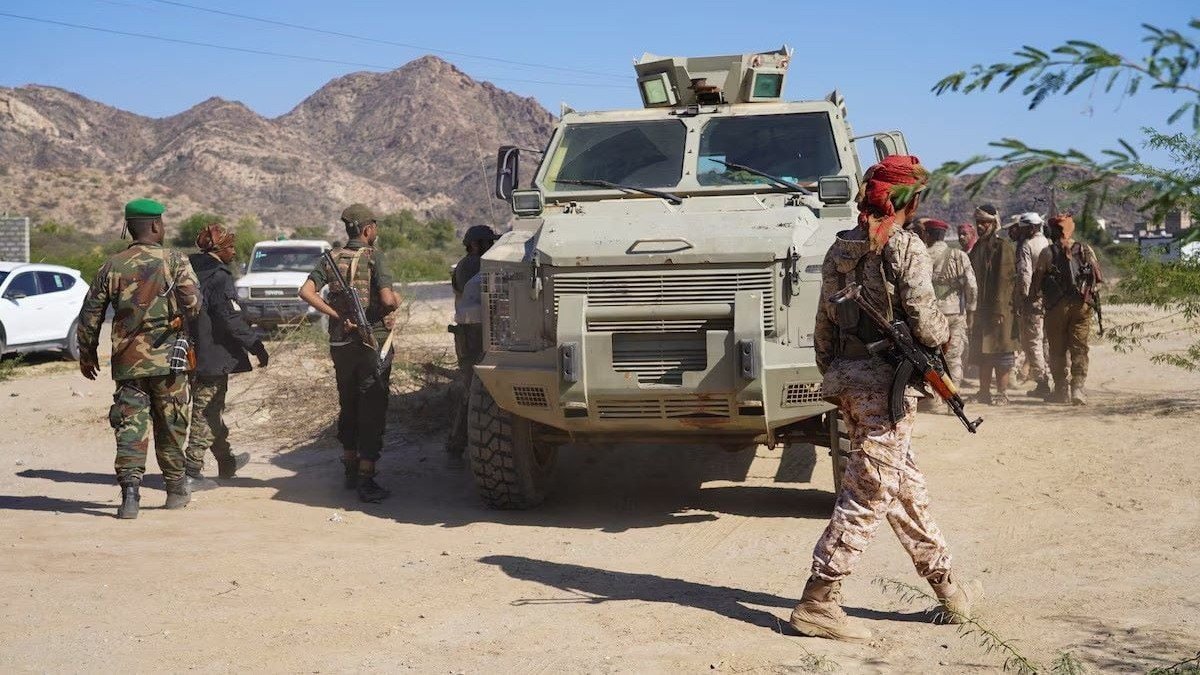
The advances were reported following coordinated ground operations that pushed separatist units out of key positions after days of tension and intermittent fighting.
The clashes involved fighters linked to the Southern Transitional Council, which is supported by the United Arab Emirates and seeks greater autonomy or independence for southern Yemen.
Saudi-backed government forces said the operation was aimed at restoring state authority and preventing further fragmentation of areas nominally under anti-Houthi control.
Saudi Arabia has played a central role in supporting Yemen’s recognised government and has increasingly emphasised the importance of unity among factions opposing the Houthi movement.
Officials and allied commanders said the latest gains were achieved through a combination of ground manoeuvres and security coordination, allowing government forces to secure military sites and transport routes that had been contested.
The developments highlight ongoing strains within the coalition that has opposed the Houthis for years, particularly between Riyadh and Abu Dhabi, whose local partners have sometimes pursued divergent political objectives.
Saudi officials have signalled that stabilising liberated areas and consolidating legitimate governance are priorities as broader diplomatic efforts continue to reduce overall violence in Yemen.
Despite the latest territorial changes, the situation on the ground remains fluid, with both sides maintaining forces nearby and calls continuing for dialogue to prevent further escalation.
The episode underscores the complexity of Yemen’s conflict, where internal rivalries persist even as regional actors seek a path toward de-escalation and a more durable political settlement.
The advances were reported following coordinated ground operations that pushed separatist units out of key positions after days of tension and intermittent fighting.
The clashes involved fighters linked to the Southern Transitional Council, which is supported by the United Arab Emirates and seeks greater autonomy or independence for southern Yemen.
Saudi-backed government forces said the operation was aimed at restoring state authority and preventing further fragmentation of areas nominally under anti-Houthi control.
Saudi Arabia has played a central role in supporting Yemen’s recognised government and has increasingly emphasised the importance of unity among factions opposing the Houthi movement.
Officials and allied commanders said the latest gains were achieved through a combination of ground manoeuvres and security coordination, allowing government forces to secure military sites and transport routes that had been contested.
The developments highlight ongoing strains within the coalition that has opposed the Houthis for years, particularly between Riyadh and Abu Dhabi, whose local partners have sometimes pursued divergent political objectives.
Saudi officials have signalled that stabilising liberated areas and consolidating legitimate governance are priorities as broader diplomatic efforts continue to reduce overall violence in Yemen.
Despite the latest territorial changes, the situation on the ground remains fluid, with both sides maintaining forces nearby and calls continuing for dialogue to prevent further escalation.
The episode underscores the complexity of Yemen’s conflict, where internal rivalries persist even as regional actors seek a path toward de-escalation and a more durable political settlement.