Saudi-Backed Yemeni Government Forces Retake Key Territory From Southern Separatists
After weeks of shifting frontlines, Riyadh-aligned troops secure Mukalla and other eastern districts as tensions with UAE-backed separatists escalate
Yemen’s Saudi-backed internationally recognised government has regained control of key eastern territories from the United Arab Emirates-backed Southern Transitional Council (STC), reversing much of the separatists’ recent advance and further complicating the fractured civil war in the country.
In a rapid operation bolstered by sustained Saudi airstrikes, Yemeni government forces recaptured the port city of Mukalla, the capital of Hadramout province, after intense clashes with STC fighters who had seized large swathes of the south late last year.
The offensive reflects a deepening split within the anti-Houthi coalition, with Saudi Arabia and the United Arab Emirates increasingly at odds over Yemen’s future.
The STC, which had driven its offensive across several southern provinces and established control over Aden and other strategic areas, proclaimed intentions to pursue a constitutional process toward independence for a “State of South Arabia,” touching on ambitions to revive the former PDRY state.
Its declaration has heightened distrust between the separatists and their erstwhile Gulf partners.
Saudi-aligned forces, including units loyal to Hadramout’s governor, pushed into STC-held territory along the Saudi border, triggering clashes that saw separatist fighters withdraw from key military camps in Hadramout and Mahra.
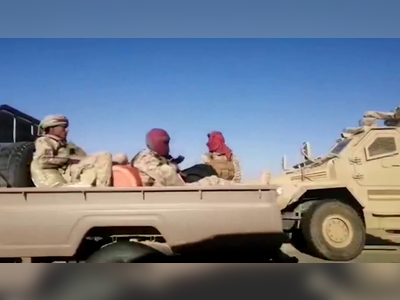
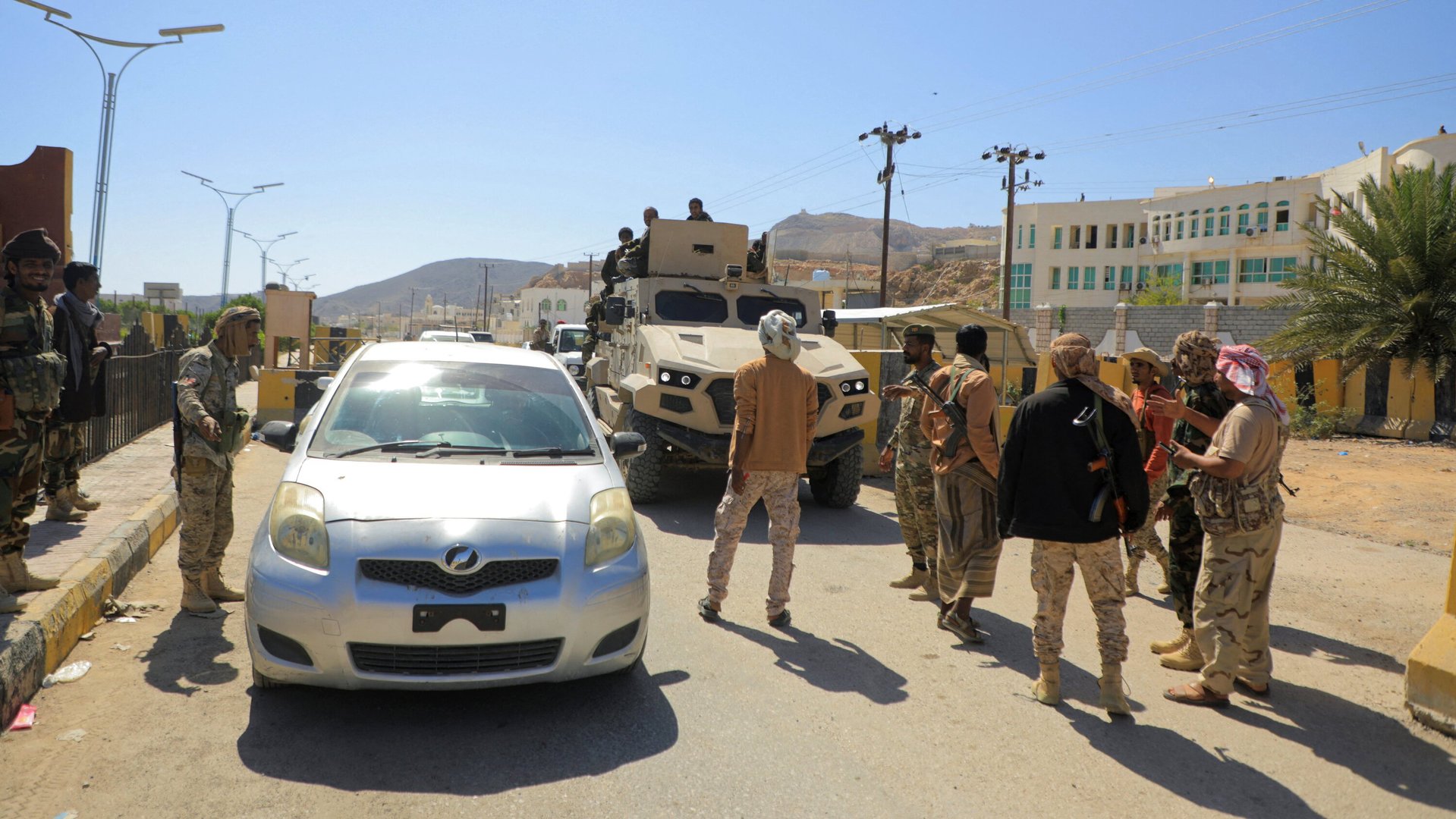
Footage from Mukalla showed government troops entering the city in armoured vehicles, welcomed by local residents, underscoring the symbolic and strategic importance of the territory to both sides.
The retaking of Mukalla followed days of air operations launched by Saudi forces against STC positions, particularly around the city and at Sayoun Airport.
Riyadh has justified its actions as necessary to counter what it views as a destabilising separatist advance that threatened national unity and its own border security.
The shift in control has also prompted unease in the wider coalition, with the UAE’s role in Yemen reduced following its announcement of troop withdrawals amid mounting disagreements over strategy.
Despite the government’s gains, the conflict remains volatile.
The STC, while weakened on the battlefield, has signalled willingness to enter peace talks, responding to a Saudi call for dialogue hosted in Riyadh aimed at resolving southern grievances.
Aden’s airport and key transport arteries have intermittently closed amid the fighting, disrupting civilian movement and economic activity.
The evolving dynamics in Yemen’s south come amid a broader backdrop of the decade-long civil war, which has seen the internationally recognised government struggle to assert authority against both the Iran-backed Houthi movement in the north and secessionist forces in the south.
With the STC now oscillating between military confrontation and diplomatic engagement, the outcome of recent territorial shifts will shape negotiations and rival visions for Yemen’s territorial integrity and governance moving forward.
In a rapid operation bolstered by sustained Saudi airstrikes, Yemeni government forces recaptured the port city of Mukalla, the capital of Hadramout province, after intense clashes with STC fighters who had seized large swathes of the south late last year.
The offensive reflects a deepening split within the anti-Houthi coalition, with Saudi Arabia and the United Arab Emirates increasingly at odds over Yemen’s future.
The STC, which had driven its offensive across several southern provinces and established control over Aden and other strategic areas, proclaimed intentions to pursue a constitutional process toward independence for a “State of South Arabia,” touching on ambitions to revive the former PDRY state.
Its declaration has heightened distrust between the separatists and their erstwhile Gulf partners.
Saudi-aligned forces, including units loyal to Hadramout’s governor, pushed into STC-held territory along the Saudi border, triggering clashes that saw separatist fighters withdraw from key military camps in Hadramout and Mahra.
Footage from Mukalla showed government troops entering the city in armoured vehicles, welcomed by local residents, underscoring the symbolic and strategic importance of the territory to both sides.
The retaking of Mukalla followed days of air operations launched by Saudi forces against STC positions, particularly around the city and at Sayoun Airport.
Riyadh has justified its actions as necessary to counter what it views as a destabilising separatist advance that threatened national unity and its own border security.
The shift in control has also prompted unease in the wider coalition, with the UAE’s role in Yemen reduced following its announcement of troop withdrawals amid mounting disagreements over strategy.
Despite the government’s gains, the conflict remains volatile.
The STC, while weakened on the battlefield, has signalled willingness to enter peace talks, responding to a Saudi call for dialogue hosted in Riyadh aimed at resolving southern grievances.
Aden’s airport and key transport arteries have intermittently closed amid the fighting, disrupting civilian movement and economic activity.
The evolving dynamics in Yemen’s south come amid a broader backdrop of the decade-long civil war, which has seen the internationally recognised government struggle to assert authority against both the Iran-backed Houthi movement in the north and secessionist forces in the south.
With the STC now oscillating between military confrontation and diplomatic engagement, the outcome of recent territorial shifts will shape negotiations and rival visions for Yemen’s territorial integrity and governance moving forward.