Saudi Arabia Turns to Wastewater Recycling as Water Scarcity Intensifies
A SYSTEM-DRIVEN shift toward large-scale wastewater reuse is reshaping the kingdom’s water strategy as demand rises and desalination costs mount
A SYSTEM-DRIVEN transformation in water management is underway in Saudi Arabia as the country expands its reliance on treated wastewater to address chronic water scarcity.
The strategy is emerging alongside long-standing dependence on desalination, but represents a structural shift toward recycling urban and industrial wastewater as a core component of national supply.
Saudi Arabia is one of the most water-stressed countries in the world, with extremely limited natural freshwater resources and rapidly growing demand driven by urban expansion, industrial development, and agriculture.
Historically, the country has relied heavily on desalination of seawater to meet municipal needs, a process that is energy-intensive and expensive at scale.
What is confirmed is that wastewater reuse is being scaled up through national infrastructure programs designed to treat and repurpose water from households, businesses, and industrial facilities.
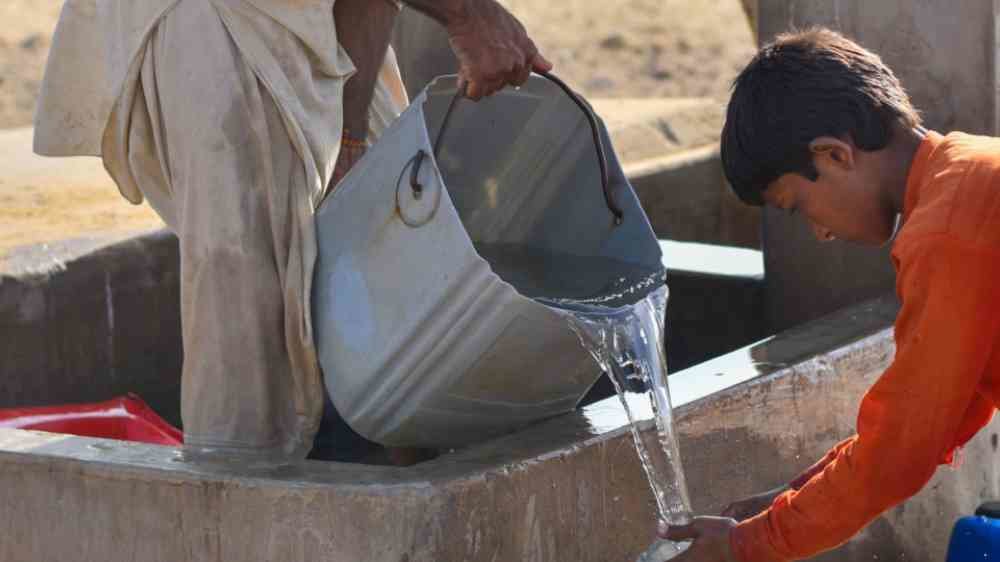
Treated wastewater is increasingly being redirected for non-drinking uses such as irrigation, landscaping, district cooling systems, and industrial processes, reducing pressure on desalinated water supplies.
The mechanism behind the shift is technological and infrastructural expansion.
Modern treatment plants use advanced filtration and purification systems to process sewage into water that meets strict quality standards for reuse.
This allows water that would otherwise be discarded to re-enter the supply chain, effectively creating a secondary water system that operates alongside desalination.
The economic rationale is significant.
Desalination remains essential but is costly in both energy consumption and infrastructure maintenance.
By contrast, wastewater recycling can reduce marginal demand for desalinated water, easing long-term fiscal pressure while improving overall system efficiency.
This is particularly relevant as Saudi Arabia pursues large-scale urban development projects that require stable and predictable water supply.
A key driver of the policy is population growth concentrated in major cities such as Riyadh and Jeddah, where demand for municipal water continues to rise.
At the same time, the kingdom’s Vision 2030 economic diversification agenda places emphasis on sustainable infrastructure, including more efficient resource management systems.
Environmental considerations also play a role.
Reusing treated wastewater reduces discharge into marine environments and limits the ecological footprint of large desalination facilities, which can affect coastal ecosystems through brine output.
However, the expansion of reuse systems requires strict regulatory oversight to ensure water quality standards are consistently met.
Despite rapid expansion, wastewater reuse is not replacing desalination but complementing it.
Drinking water supply continues to rely primarily on desalinated seawater, while recycled water is increasingly allocated to secondary and industrial uses.
This layered approach reflects a pragmatic balancing of cost, technology, and resource constraints.
The broader implication is a gradual restructuring of Saudi Arabia’s water economy.
Instead of a single dominant supply source, the system is evolving into a multi-stream model that integrates desalination, groundwater reserves, and wastewater recycling.
This diversification is intended to increase resilience in a country where water scarcity is a persistent structural challenge.
The immediate outcome of this shift is improved efficiency in water allocation across sectors, with recycled water reducing pressure on high-cost desalinated supplies and supporting long-term sustainability goals embedded in national development planning.
The strategy is emerging alongside long-standing dependence on desalination, but represents a structural shift toward recycling urban and industrial wastewater as a core component of national supply.
Saudi Arabia is one of the most water-stressed countries in the world, with extremely limited natural freshwater resources and rapidly growing demand driven by urban expansion, industrial development, and agriculture.
Historically, the country has relied heavily on desalination of seawater to meet municipal needs, a process that is energy-intensive and expensive at scale.
What is confirmed is that wastewater reuse is being scaled up through national infrastructure programs designed to treat and repurpose water from households, businesses, and industrial facilities.
Treated wastewater is increasingly being redirected for non-drinking uses such as irrigation, landscaping, district cooling systems, and industrial processes, reducing pressure on desalinated water supplies.
The mechanism behind the shift is technological and infrastructural expansion.
Modern treatment plants use advanced filtration and purification systems to process sewage into water that meets strict quality standards for reuse.
This allows water that would otherwise be discarded to re-enter the supply chain, effectively creating a secondary water system that operates alongside desalination.
The economic rationale is significant.
Desalination remains essential but is costly in both energy consumption and infrastructure maintenance.
By contrast, wastewater recycling can reduce marginal demand for desalinated water, easing long-term fiscal pressure while improving overall system efficiency.
This is particularly relevant as Saudi Arabia pursues large-scale urban development projects that require stable and predictable water supply.
A key driver of the policy is population growth concentrated in major cities such as Riyadh and Jeddah, where demand for municipal water continues to rise.
At the same time, the kingdom’s Vision 2030 economic diversification agenda places emphasis on sustainable infrastructure, including more efficient resource management systems.
Environmental considerations also play a role.
Reusing treated wastewater reduces discharge into marine environments and limits the ecological footprint of large desalination facilities, which can affect coastal ecosystems through brine output.
However, the expansion of reuse systems requires strict regulatory oversight to ensure water quality standards are consistently met.
Despite rapid expansion, wastewater reuse is not replacing desalination but complementing it.
Drinking water supply continues to rely primarily on desalinated seawater, while recycled water is increasingly allocated to secondary and industrial uses.
This layered approach reflects a pragmatic balancing of cost, technology, and resource constraints.
The broader implication is a gradual restructuring of Saudi Arabia’s water economy.
Instead of a single dominant supply source, the system is evolving into a multi-stream model that integrates desalination, groundwater reserves, and wastewater recycling.
This diversification is intended to increase resilience in a country where water scarcity is a persistent structural challenge.
The immediate outcome of this shift is improved efficiency in water allocation across sectors, with recycled water reducing pressure on high-cost desalinated supplies and supporting long-term sustainability goals embedded in national development planning.