Saudi Arabia’s Security Calculus Over ‘Project Freedom’ Highlights Deep Iran Escalation Fears
Officials describe Riyadh’s concern that expanded U.S. regional military initiatives could provoke Iranian retaliation, exposing fragile deterrence dynamics in the Gulf
Saudi Arabia’s internal security planning has been shaped by concern that expanded U.S. regional military initiatives, referred to in some reporting as “Project Freedom,” could increase the risk of Iranian retaliation, according to officials familiar with Gulf security deliberations.
The concern reflects a broader strategic calculation in Riyadh: that heightened Western military activity near Iran may not deter escalation, but instead trigger it.
What is confirmed is that Saudi Arabia and Iran have a long history of indirect confrontation across the Middle East, including proxy conflicts in Yemen, Iraq, Syria, and Lebanon.
While diplomatic relations between Riyadh and Tehran were formally restored in a China-brokered agreement in 2023, mutual suspicion and competing regional influence strategies remain deeply entrenched.
The key issue underlying Saudi concern is deterrence stability in the Gulf.
Saudi defense planners have consistently weighed whether increased U.S. military posture in the region reduces or increases the likelihood of Iranian escalation.
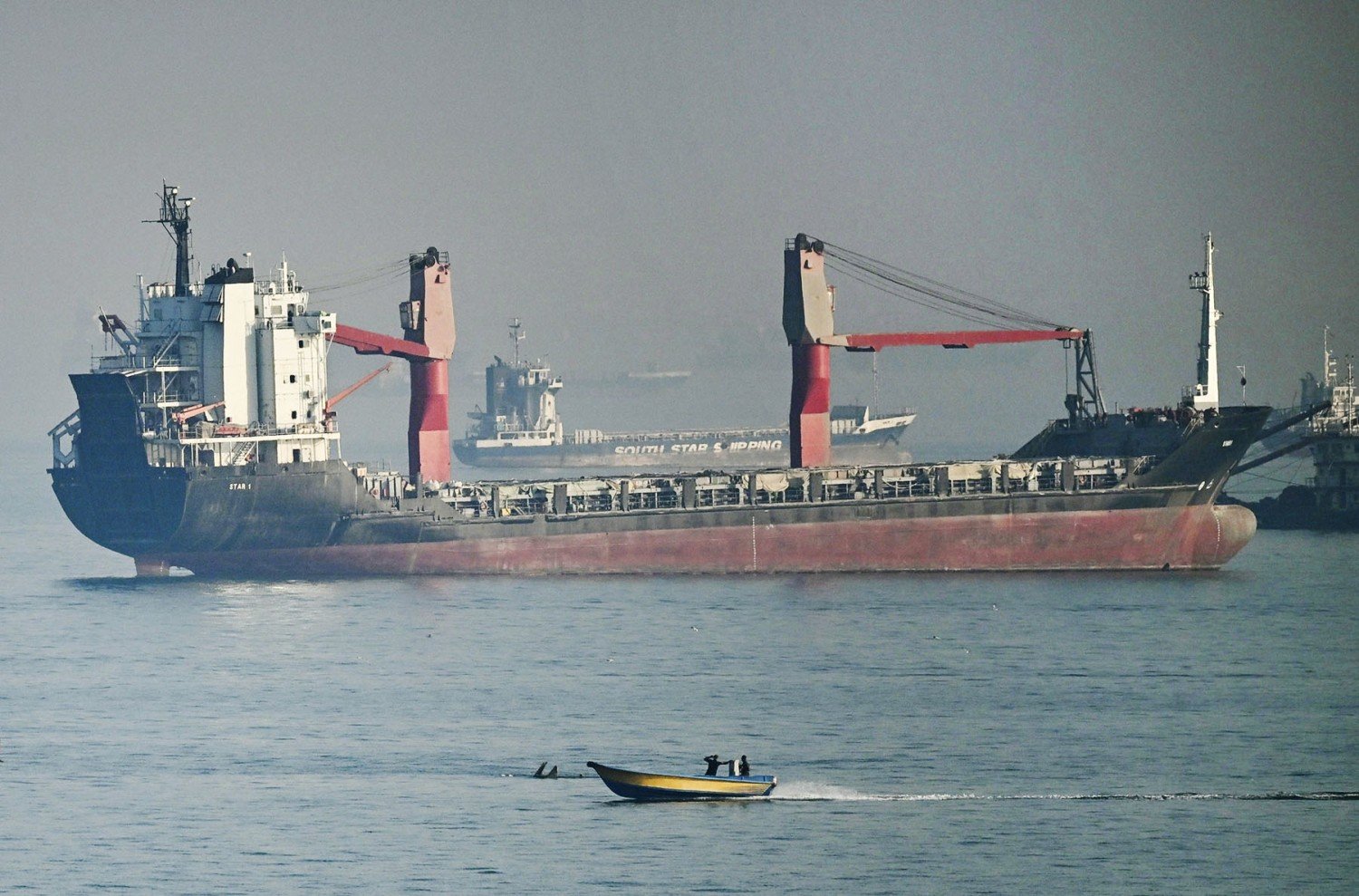
The Strait of Hormuz, through which a significant share of global oil exports passes, remains the most sensitive pressure point in this strategic equation.
Iran retains the capacity to disrupt maritime traffic in the Strait through a combination of naval assets, missile systems, and asymmetric tactics such as mining and drone operations.
Even limited disruption could have outsized consequences for global energy markets, making Gulf states highly sensitive to any policy shift that could heighten confrontation risks.
Saudi Arabia’s concern, as described by officials, reflects a broader pattern in which Gulf states seek to balance their security dependence on the United States with a desire to avoid being drawn into direct escalation dynamics with Iran.
This balancing act has become more complex as regional conflicts intersect with global energy stability and shifting great-power competition.
At the same time, Washington’s regional military posture is shaped by competing priorities: deterring Iranian aggression, protecting maritime trade routes, and reassuring allies while avoiding large-scale escalation that could destabilize global oil markets.
These objectives do not always align with the risk assessments of Gulf capitals.
Saudi Arabia’s diplomatic normalization with Iran has reduced some immediate tensions, but it has not eliminated underlying structural rivalry.
Both countries continue to pursue influence across the region through political alliances, economic leverage, and security partnerships, making mistrust a persistent feature of their relationship.
The reported Saudi concern over expanded U.S. initiatives therefore reflects not opposition to the alliance itself, but anxiety over escalation dynamics that could undermine regional stability and expose Gulf states to direct retaliation risks in any wider confrontation between Washington and Tehran.
The concern reflects a broader strategic calculation in Riyadh: that heightened Western military activity near Iran may not deter escalation, but instead trigger it.
What is confirmed is that Saudi Arabia and Iran have a long history of indirect confrontation across the Middle East, including proxy conflicts in Yemen, Iraq, Syria, and Lebanon.
While diplomatic relations between Riyadh and Tehran were formally restored in a China-brokered agreement in 2023, mutual suspicion and competing regional influence strategies remain deeply entrenched.
The key issue underlying Saudi concern is deterrence stability in the Gulf.
Saudi defense planners have consistently weighed whether increased U.S. military posture in the region reduces or increases the likelihood of Iranian escalation.
The Strait of Hormuz, through which a significant share of global oil exports passes, remains the most sensitive pressure point in this strategic equation.
Iran retains the capacity to disrupt maritime traffic in the Strait through a combination of naval assets, missile systems, and asymmetric tactics such as mining and drone operations.
Even limited disruption could have outsized consequences for global energy markets, making Gulf states highly sensitive to any policy shift that could heighten confrontation risks.
Saudi Arabia’s concern, as described by officials, reflects a broader pattern in which Gulf states seek to balance their security dependence on the United States with a desire to avoid being drawn into direct escalation dynamics with Iran.
This balancing act has become more complex as regional conflicts intersect with global energy stability and shifting great-power competition.
At the same time, Washington’s regional military posture is shaped by competing priorities: deterring Iranian aggression, protecting maritime trade routes, and reassuring allies while avoiding large-scale escalation that could destabilize global oil markets.
These objectives do not always align with the risk assessments of Gulf capitals.
Saudi Arabia’s diplomatic normalization with Iran has reduced some immediate tensions, but it has not eliminated underlying structural rivalry.
Both countries continue to pursue influence across the region through political alliances, economic leverage, and security partnerships, making mistrust a persistent feature of their relationship.
The reported Saudi concern over expanded U.S. initiatives therefore reflects not opposition to the alliance itself, but anxiety over escalation dynamics that could undermine regional stability and expose Gulf states to direct retaliation risks in any wider confrontation between Washington and Tehran.