Saudi and Iranian Foreign Ministers Hold Rare High-Level Call Amid Regional De-escalation Efforts
The ACTOR-DRIVEN diplomatic contact signals continued cautious normalization between Riyadh and Tehran after years of rivalry and indirect conflict across the Middle East
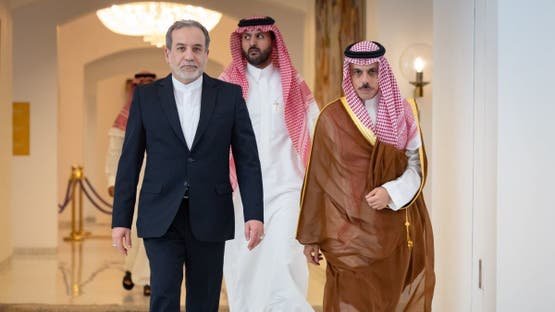
An ACTOR-DRIVEN diplomatic exchange between Saudi Arabia and Iran has taken place at foreign minister level, underscoring a continuing effort by both regional powers to stabilize relations after years of strategic rivalry and proxy confrontation across the Middle East.
The phone call between Saudi Arabia’s foreign minister and his Iranian counterpart reflects an ongoing normalization process that began with a landmark agreement brokered in 2023 to restore diplomatic ties.
That agreement ended a formal rupture that had lasted for years, during which both countries supported opposing sides in conflicts spanning Yemen, Syria, and beyond.
What is confirmed is that the two foreign ministers discussed bilateral relations and regional developments, continuing a pattern of high-level engagement designed to maintain open channels of communication.
While the specific content of the conversation was not disclosed in full detail, such contacts are typically used to manage tensions, coordinate diplomatic messaging, and prevent escalation in sensitive theaters.
The mechanism behind this engagement is cautious diplomatic re-engagement rather than alliance-building.
Both countries remain strategic competitors, but they have increasingly relied on structured communication to manage risk in a region shaped by overlapping conflicts and shifting alliances.
This includes indirect coordination on security issues and efforts to avoid unintended escalation.
The broader context is a Middle East in transition.
Traditional rivalry between Saudi Arabia and Iran has been moderated by economic diversification priorities in the Gulf, changing U.S. regional posture, and the costs associated with prolonged regional confrontation.
As a result, both governments have incentives to maintain a baseline of stability even while maintaining competing political interests.
Regional flashpoints continue to shape the urgency of such dialogue.
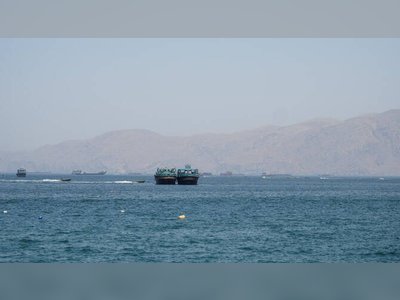
Conflicts involving non-state armed groups, maritime security in key shipping lanes, and instability in neighboring states all create pressure for direct communication channels between Riyadh and Tehran.
These channels reduce the risk of miscalculation in fast-moving crises.
Although normalization has progressed since the restoration of diplomatic relations, the relationship remains fragile.
Trust deficits persist, and policy differences over regional conflicts remain unresolved.
However, the continued frequency of foreign minister-level communication indicates that both sides view engagement as strategically useful even in the absence of deep political alignment.
The immediate implication of the latest call is continuity: diplomatic dialogue remains active, and both countries are maintaining structured communication as part of a broader effort to stabilize regional relations.
This reinforces a wider trend in Middle Eastern diplomacy where adversarial relationships are increasingly managed through direct and sustained engagement rather than isolation.
The phone call between Saudi Arabia’s foreign minister and his Iranian counterpart reflects an ongoing normalization process that began with a landmark agreement brokered in 2023 to restore diplomatic ties.
That agreement ended a formal rupture that had lasted for years, during which both countries supported opposing sides in conflicts spanning Yemen, Syria, and beyond.
What is confirmed is that the two foreign ministers discussed bilateral relations and regional developments, continuing a pattern of high-level engagement designed to maintain open channels of communication.
While the specific content of the conversation was not disclosed in full detail, such contacts are typically used to manage tensions, coordinate diplomatic messaging, and prevent escalation in sensitive theaters.
The mechanism behind this engagement is cautious diplomatic re-engagement rather than alliance-building.
Both countries remain strategic competitors, but they have increasingly relied on structured communication to manage risk in a region shaped by overlapping conflicts and shifting alliances.
This includes indirect coordination on security issues and efforts to avoid unintended escalation.
The broader context is a Middle East in transition.
Traditional rivalry between Saudi Arabia and Iran has been moderated by economic diversification priorities in the Gulf, changing U.S. regional posture, and the costs associated with prolonged regional confrontation.
As a result, both governments have incentives to maintain a baseline of stability even while maintaining competing political interests.
Regional flashpoints continue to shape the urgency of such dialogue.
Conflicts involving non-state armed groups, maritime security in key shipping lanes, and instability in neighboring states all create pressure for direct communication channels between Riyadh and Tehran.
These channels reduce the risk of miscalculation in fast-moving crises.
Although normalization has progressed since the restoration of diplomatic relations, the relationship remains fragile.
Trust deficits persist, and policy differences over regional conflicts remain unresolved.
However, the continued frequency of foreign minister-level communication indicates that both sides view engagement as strategically useful even in the absence of deep political alignment.
The immediate implication of the latest call is continuity: diplomatic dialogue remains active, and both countries are maintaining structured communication as part of a broader effort to stabilize regional relations.
This reinforces a wider trend in Middle Eastern diplomacy where adversarial relationships are increasingly managed through direct and sustained engagement rather than isolation.