No Verified Evidence of EA HQ “Cosplaying Gamers Raid” Protest or Saudi $55B Buyout Reversal
Claims circulating about a gamer raid on EA headquarters and a Saudi-linked $55 billion takeover reversal are not supported by any credible reporting; the only confirmed deal is a completed or advancing Saudi-led consortium buyout of Electronic Arts.
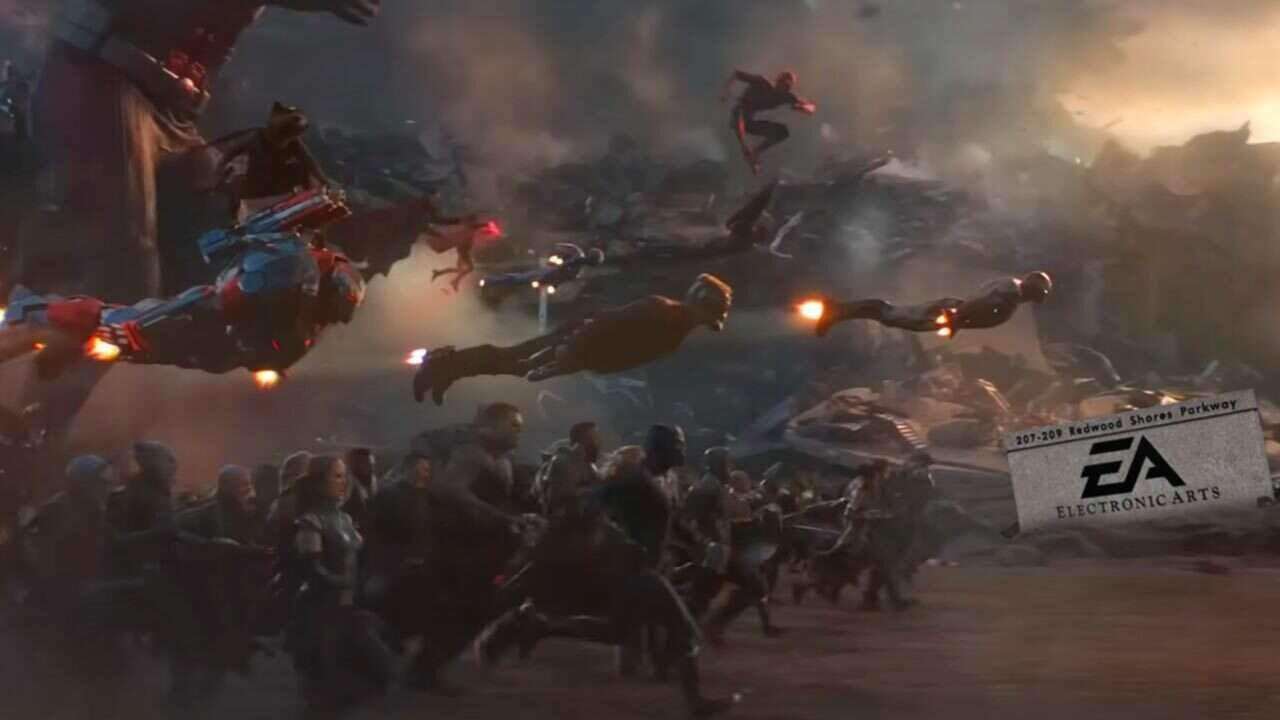
The claim that “cosplaying gamers will raid EA HQ” in protest against a Saudi Arabia–linked $55 billion buyout of Electronic Arts is not supported by any verified reporting and appears to be a fabricated or misleading framing of existing events around the company’s ownership change.
What is confirmed in widely documented financial reporting is that Electronic Arts agreed to a $55 billion leveraged buyout led by a consortium including Saudi Arabia’s Public Investment Fund, Silver Lake, and Affinity Partners.
The transaction is structured as a take-private acquisition, meaning EA shareholders receive a cash premium per share while the company transitions from public to private ownership under the consortium.
The deal has been described as one of the largest leveraged buyouts in entertainment history and involves significant debt financing as part of the acquisition structure.
There is no verified evidence that the transaction has been reversed, cancelled, or materially altered due to political pressure, nor is there credible reporting indicating that any government, including the United States, has forced a rollback of the agreement.
Instead, available reporting indicates the deal has proceeded through corporate approval stages typical of large mergers, including shareholder and regulatory review processes.
The additional claim of an organized protest involving “cosplaying gamers raiding EA headquarters” is not substantiated by any reputable news outlet or official statement.
While EA’s buyout has generated discussion, criticism, and employee concern—particularly around debt load, potential restructuring, and Saudi sovereign wealth involvement—these reactions have taken the form of commentary, petitions, and online debate rather than physical confrontations or coordinated raids on corporate facilities.
The key issue underlying the broader story is the growing role of sovereign wealth funds and private equity in major entertainment and technology companies.
Saudi Arabia’s Public Investment Fund has been actively expanding its global holdings in gaming and media as part of a long-term economic diversification strategy.
In EA’s case, the transaction reflects a wider trend of high-value leveraged buyouts in the gaming industry, where stable revenue from sports franchises and live-service titles makes companies attractive to financial buyers.
Concerns raised by critics generally focus on three areas: increased debt burden on the company after the buyout, potential pressure to maximize monetization of games and intellectual property, and geopolitical influence stemming from state-linked investment capital.
Supporters of the deal argue that private ownership may allow EA to invest more aggressively in long-term development without quarterly stock market pressure.
What remains clear is that while EA’s ownership structure is undergoing one of the largest changes in the video game industry’s history, there is no verified connection to any organized physical protest targeting the company headquarters, and no confirmed reversal of the Saudi-led acquisition.
What is confirmed in widely documented financial reporting is that Electronic Arts agreed to a $55 billion leveraged buyout led by a consortium including Saudi Arabia’s Public Investment Fund, Silver Lake, and Affinity Partners.
The transaction is structured as a take-private acquisition, meaning EA shareholders receive a cash premium per share while the company transitions from public to private ownership under the consortium.
The deal has been described as one of the largest leveraged buyouts in entertainment history and involves significant debt financing as part of the acquisition structure.
There is no verified evidence that the transaction has been reversed, cancelled, or materially altered due to political pressure, nor is there credible reporting indicating that any government, including the United States, has forced a rollback of the agreement.
Instead, available reporting indicates the deal has proceeded through corporate approval stages typical of large mergers, including shareholder and regulatory review processes.
The additional claim of an organized protest involving “cosplaying gamers raiding EA headquarters” is not substantiated by any reputable news outlet or official statement.
While EA’s buyout has generated discussion, criticism, and employee concern—particularly around debt load, potential restructuring, and Saudi sovereign wealth involvement—these reactions have taken the form of commentary, petitions, and online debate rather than physical confrontations or coordinated raids on corporate facilities.
The key issue underlying the broader story is the growing role of sovereign wealth funds and private equity in major entertainment and technology companies.
Saudi Arabia’s Public Investment Fund has been actively expanding its global holdings in gaming and media as part of a long-term economic diversification strategy.
In EA’s case, the transaction reflects a wider trend of high-value leveraged buyouts in the gaming industry, where stable revenue from sports franchises and live-service titles makes companies attractive to financial buyers.
Concerns raised by critics generally focus on three areas: increased debt burden on the company after the buyout, potential pressure to maximize monetization of games and intellectual property, and geopolitical influence stemming from state-linked investment capital.
Supporters of the deal argue that private ownership may allow EA to invest more aggressively in long-term development without quarterly stock market pressure.
What remains clear is that while EA’s ownership structure is undergoing one of the largest changes in the video game industry’s history, there is no verified connection to any organized physical protest targeting the company headquarters, and no confirmed reversal of the Saudi-led acquisition.