LIV Golf Rewrites Its Power Structure After Saudi Funding Withdrawal Forces Strategic Overhaul
Saudi Arabia’s Public Investment Fund will end financial backing after 2026, prompting LIV Golf to install an independent board and seek external investors to survive beyond its state-backed model.
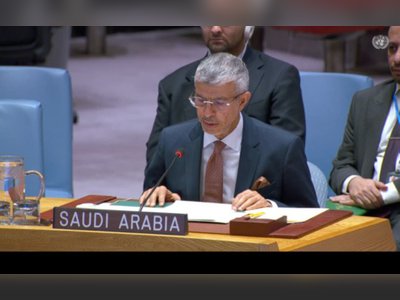
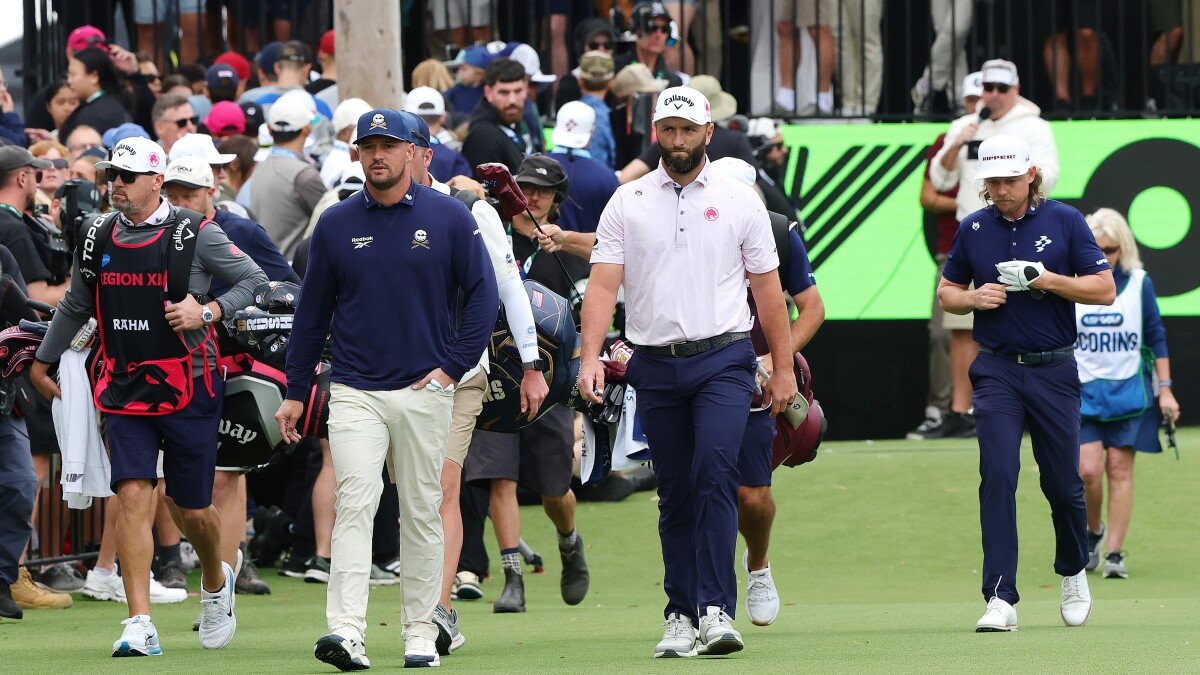
LIV Golf is undergoing a fundamental governance and financial restructuring after Saudi Arabia’s Public Investment Fund (PIF) confirmed it will withdraw funding at the end of the 2026 season, ending the state-backed financial model that has sustained the league since its launch in 2022.
The shift forces LIV Golf—an international professional golf circuit built on guaranteed contracts, team formats, and large prize purses—to transition from a sovereign-funded sports project into a commercially financed league.
The PIF has been the sole anchor investor since inception, committing an estimated multi-billion-dollar sum to establish and operate the circuit.
That funding is now being wound down as the fund pivots toward a narrower investment strategy focused more on domestic priorities and reduced international exposure.
In response, LIV Golf has created a new independent board tasked with stabilizing operations and attracting outside capital.
The board is led by restructuring and advisory specialists Gene Davis and Jon Zinman, whose mandate is to redesign the league’s financial structure, identify new investors, and preserve the tournament schedule beyond the current funding horizon.
The governance change also coincides with leadership adjustments tied to the withdrawal.
Yasir Al-Rumayyan, the governor of the PIF and a central architect of LIV Golf’s creation, is expected to step down from his role as chairman of the league as the Saudi fund exits its sponsorship position.
His departure marks the end of the direct institutional link between LIV’s executive structure and its sovereign backer.
What is confirmed is that LIV Golf informed staff and players of the funding withdrawal and is actively pursuing alternative investment frameworks, including potential multi-partner ownership and team equity sales.
The league has emphasized rising revenues, sponsorship growth, and increased commercial activity as part of its pitch to prospective investors, but it has not demonstrated profitability at scale.
The financial consequences are significant.
Without PIF backing, LIV’s current cost structure—defined by large guaranteed player contracts, global event staging, and premium prize pools—becomes difficult to sustain.
Industry reporting indicates the league can likely maintain its existing schedule only through the remainder of the 2026 season unless new capital is secured.
The uncertainty has immediate sporting implications.
Top players who joined LIV under long-term contracts face unclear futures regarding payments, contract enforcement, and eligibility to return to other tours.
Some have begun exploring potential re-entry into traditional circuits, though regulatory and financial barriers remain.
More broadly, the development reopens structural questions about LIV’s original purpose and design.
Built as a disruptive competitor to established professional golf tours, it relied on sovereign wealth financing rather than broadcast-driven or ticket-driven revenues typical of sports leagues.
The withdrawal of that anchor funding exposes the gap between LIV’s high-cost operating model and its current commercial self-sufficiency.
LIV Golf now enters a transition phase defined not by expansion, but by financial recalibration.
Its ability to survive beyond 2026 will depend on whether it can convert its team-based format and global brand visibility into durable private investment and traditional sports revenue streams before its existing funding runway closes.
The shift forces LIV Golf—an international professional golf circuit built on guaranteed contracts, team formats, and large prize purses—to transition from a sovereign-funded sports project into a commercially financed league.
The PIF has been the sole anchor investor since inception, committing an estimated multi-billion-dollar sum to establish and operate the circuit.
That funding is now being wound down as the fund pivots toward a narrower investment strategy focused more on domestic priorities and reduced international exposure.
In response, LIV Golf has created a new independent board tasked with stabilizing operations and attracting outside capital.
The board is led by restructuring and advisory specialists Gene Davis and Jon Zinman, whose mandate is to redesign the league’s financial structure, identify new investors, and preserve the tournament schedule beyond the current funding horizon.
The governance change also coincides with leadership adjustments tied to the withdrawal.
Yasir Al-Rumayyan, the governor of the PIF and a central architect of LIV Golf’s creation, is expected to step down from his role as chairman of the league as the Saudi fund exits its sponsorship position.
His departure marks the end of the direct institutional link between LIV’s executive structure and its sovereign backer.
What is confirmed is that LIV Golf informed staff and players of the funding withdrawal and is actively pursuing alternative investment frameworks, including potential multi-partner ownership and team equity sales.
The league has emphasized rising revenues, sponsorship growth, and increased commercial activity as part of its pitch to prospective investors, but it has not demonstrated profitability at scale.
The financial consequences are significant.
Without PIF backing, LIV’s current cost structure—defined by large guaranteed player contracts, global event staging, and premium prize pools—becomes difficult to sustain.
Industry reporting indicates the league can likely maintain its existing schedule only through the remainder of the 2026 season unless new capital is secured.
The uncertainty has immediate sporting implications.
Top players who joined LIV under long-term contracts face unclear futures regarding payments, contract enforcement, and eligibility to return to other tours.
Some have begun exploring potential re-entry into traditional circuits, though regulatory and financial barriers remain.
More broadly, the development reopens structural questions about LIV’s original purpose and design.
Built as a disruptive competitor to established professional golf tours, it relied on sovereign wealth financing rather than broadcast-driven or ticket-driven revenues typical of sports leagues.
The withdrawal of that anchor funding exposes the gap between LIV’s high-cost operating model and its current commercial self-sufficiency.
LIV Golf now enters a transition phase defined not by expansion, but by financial recalibration.
Its ability to survive beyond 2026 will depend on whether it can convert its team-based format and global brand visibility into durable private investment and traditional sports revenue streams before its existing funding runway closes.