Five Iron Golf Enters Saudi Market as Kingdom Expands State-Backed Sports Economy
US-based indoor golf chain opens its first Saudi venue, aligning with broader efforts to build a domestic leisure and sports industry under Vision 2030
ACTOR-DRIVEN expansion by Five Iron Golf, a US-based indoor golf and entertainment company, has brought the brand into Saudi Arabia for the first time, marking another step in the kingdom’s push to build a domestic sports and leisure economy.
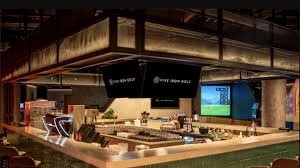
What is confirmed is that Five Iron Golf has opened a flagship venue in Riyadh, introducing its model of simulator-based golf, hospitality, and social gaming to a market that is rapidly investing in sports infrastructure.
The company operates venues that combine high-end golf simulators with food, beverage, coaching, and event spaces, targeting both experienced players and casual participants.
The move is part of a broader pattern of international sports and entertainment brands entering Saudi Arabia as the government encourages private-sector participation in leisure industries.
Under Vision 2030, the country is actively developing sectors such as sports, tourism, and entertainment to diversify economic activity and reduce reliance on oil revenues.
The mechanism behind this expansion involves a mix of regulatory change, state-backed investment, and partnerships with local operators.
Saudi authorities have introduced reforms to attract foreign businesses, including easing ownership rules and supporting joint ventures.
These measures are designed to accelerate the creation of consumer-facing industries that can generate jobs and increase domestic spending.
For Five Iron Golf, the Saudi market offers access to a young, urban population with growing disposable income and rising interest in sports participation.
Indoor golf facilities are particularly suited to the region’s climate, allowing year-round play regardless of extreme heat.
The model also aligns with shifting social norms that are expanding access to leisure activities across different demographics.
The opening also reflects Saudi Arabia’s targeted development of golf as a sport.
Alongside high-profile professional tournaments and investments in elite competition, the government is encouraging grassroots participation and recreational formats.
Simulator-based venues lower barriers to entry by removing the need for large outdoor courses and offering a more accessible introduction to the sport.
The commercial implications extend beyond a single venue.
If successful, the Riyadh location could serve as a platform for regional expansion, with additional sites planned across major cities.
This would mirror Five Iron Golf’s growth strategy in North America and Europe, where it has scaled through clustered urban locations.
The entry of brands like Five Iron Golf also signals a shift in how Saudi Arabia is building its sports ecosystem.
Rather than focusing solely on headline events or elite competition, the country is investing in everyday participation and consumer experiences that can sustain long-term demand.
This approach integrates international expertise with local market development, creating a hybrid model in which global operators deliver standardized concepts adapted to regional preferences.
It also diversifies the sports economy by linking professional pathways with recreational access and commercial entertainment.
Five Iron Golf’s arrival in Riyadh therefore represents more than a single business expansion.
It illustrates how Saudi Arabia is constructing a layered sports and leisure market, combining infrastructure, policy support, and foreign investment to establish a durable, consumer-driven industry within its broader economic transformation plan.
What is confirmed is that Five Iron Golf has opened a flagship venue in Riyadh, introducing its model of simulator-based golf, hospitality, and social gaming to a market that is rapidly investing in sports infrastructure.
The company operates venues that combine high-end golf simulators with food, beverage, coaching, and event spaces, targeting both experienced players and casual participants.
The move is part of a broader pattern of international sports and entertainment brands entering Saudi Arabia as the government encourages private-sector participation in leisure industries.
Under Vision 2030, the country is actively developing sectors such as sports, tourism, and entertainment to diversify economic activity and reduce reliance on oil revenues.
The mechanism behind this expansion involves a mix of regulatory change, state-backed investment, and partnerships with local operators.
Saudi authorities have introduced reforms to attract foreign businesses, including easing ownership rules and supporting joint ventures.
These measures are designed to accelerate the creation of consumer-facing industries that can generate jobs and increase domestic spending.
For Five Iron Golf, the Saudi market offers access to a young, urban population with growing disposable income and rising interest in sports participation.
Indoor golf facilities are particularly suited to the region’s climate, allowing year-round play regardless of extreme heat.
The model also aligns with shifting social norms that are expanding access to leisure activities across different demographics.
The opening also reflects Saudi Arabia’s targeted development of golf as a sport.
Alongside high-profile professional tournaments and investments in elite competition, the government is encouraging grassroots participation and recreational formats.
Simulator-based venues lower barriers to entry by removing the need for large outdoor courses and offering a more accessible introduction to the sport.
The commercial implications extend beyond a single venue.
If successful, the Riyadh location could serve as a platform for regional expansion, with additional sites planned across major cities.
This would mirror Five Iron Golf’s growth strategy in North America and Europe, where it has scaled through clustered urban locations.
The entry of brands like Five Iron Golf also signals a shift in how Saudi Arabia is building its sports ecosystem.
Rather than focusing solely on headline events or elite competition, the country is investing in everyday participation and consumer experiences that can sustain long-term demand.
This approach integrates international expertise with local market development, creating a hybrid model in which global operators deliver standardized concepts adapted to regional preferences.
It also diversifies the sports economy by linking professional pathways with recreational access and commercial entertainment.
Five Iron Golf’s arrival in Riyadh therefore represents more than a single business expansion.
It illustrates how Saudi Arabia is constructing a layered sports and leisure market, combining infrastructure, policy support, and foreign investment to establish a durable, consumer-driven industry within its broader economic transformation plan.