Gold Prices Set to Rise Further Amid Geopolitical Uncertainty
Escalating global tensions and energy shortages expected to drive gold demand through 2026.
The geopolitical risk premium that has driven gold prices upward over recent years is set to continue, according to the World Gold Council (WGC).
In its latest report, the WGC highlights that rising gold prices are impacting jewelry demand, while mine supply is expected to increase slightly in response to stronger margins and higher prices.
The ongoing conflict in the Middle East region has heightened safe-haven demand for gold as investors seek protection from geopolitical uncertainty, supply disruptions, and volatile energy prices.
Although gold prices surged initially, reaching a record high above $5,400 per ounce, they have since retreated to the $4,500 to $4,700 range in late April due to a stronger US dollar and inflation concerns stemming from elevated oil costs.
The WGC notes that while jewelry spend may remain resilient absent economic shocks, tonnage demand is expected to decline further as high prices and regional tax policies continue to affect consumption.
Additionally, mine production is projected to rise modestly in 2026, although the impact of energy shortages on operations in some regions is being closely monitored.
Global geopolitical tensions are anticipated to persist as major drivers of gold demand through 2026 and beyond.
This sustained demand is expected to be driven by continued net buying from central banks, broad inflows into global gold exchange traded funds (ETFs), and increased bar and coin accumulation.
The WGC emphasizes that ongoing geopolitical risk, coupled with inflation concerns and high gold prices, will likely support investment and central bank demand.
Despite elevated prices reshaping demand patterns across different segments, gold's position as a strategic store of value remains robust.
While demand for gold ETFs and over-the-counter products is forecasted to remain positive, it is expected to fall short of 2025 levels.
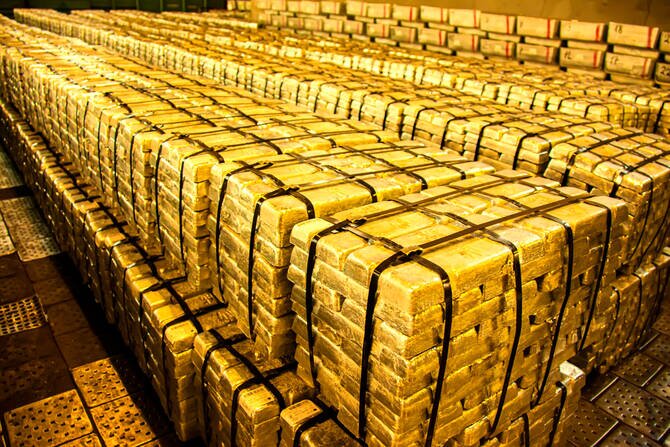
Bar and coin demand is projected to remain strong in 2026 due to factors such as high prices, the lack of viable alternative investments, inflation fears, and heightened uncertainty attracting both retail and investment buyers.
In the first quarter of this year, gold demand, including over-the-counter trade, increased by 2 percent year-on-year to 1,231 tons.
This modest growth in volumes combined with gold's price rise resulted in a record $193 billion value increase in quarterly demand, up 74 percent from the previous year.
Bar and coin demand during this period rose 42 percent year-on-year to 474 tons, the second-highest quarter on record, driven primarily by Asian investors.
In its latest report, the WGC highlights that rising gold prices are impacting jewelry demand, while mine supply is expected to increase slightly in response to stronger margins and higher prices.
The ongoing conflict in the Middle East region has heightened safe-haven demand for gold as investors seek protection from geopolitical uncertainty, supply disruptions, and volatile energy prices.
Although gold prices surged initially, reaching a record high above $5,400 per ounce, they have since retreated to the $4,500 to $4,700 range in late April due to a stronger US dollar and inflation concerns stemming from elevated oil costs.
The WGC notes that while jewelry spend may remain resilient absent economic shocks, tonnage demand is expected to decline further as high prices and regional tax policies continue to affect consumption.
Additionally, mine production is projected to rise modestly in 2026, although the impact of energy shortages on operations in some regions is being closely monitored.
Global geopolitical tensions are anticipated to persist as major drivers of gold demand through 2026 and beyond.
This sustained demand is expected to be driven by continued net buying from central banks, broad inflows into global gold exchange traded funds (ETFs), and increased bar and coin accumulation.
The WGC emphasizes that ongoing geopolitical risk, coupled with inflation concerns and high gold prices, will likely support investment and central bank demand.
Despite elevated prices reshaping demand patterns across different segments, gold's position as a strategic store of value remains robust.
While demand for gold ETFs and over-the-counter products is forecasted to remain positive, it is expected to fall short of 2025 levels.
Bar and coin demand is projected to remain strong in 2026 due to factors such as high prices, the lack of viable alternative investments, inflation fears, and heightened uncertainty attracting both retail and investment buyers.
In the first quarter of this year, gold demand, including over-the-counter trade, increased by 2 percent year-on-year to 1,231 tons.
This modest growth in volumes combined with gold's price rise resulted in a record $193 billion value increase in quarterly demand, up 74 percent from the previous year.
Bar and coin demand during this period rose 42 percent year-on-year to 474 tons, the second-highest quarter on record, driven primarily by Asian investors.