Inside Saudi Arabia’s overlooked investment frontier as capital shifts beyond oil
A structural push under Vision 2030 is redirecting global attention toward mining, logistics, and industrial development, where long-term capital is now flowing faster than recognition
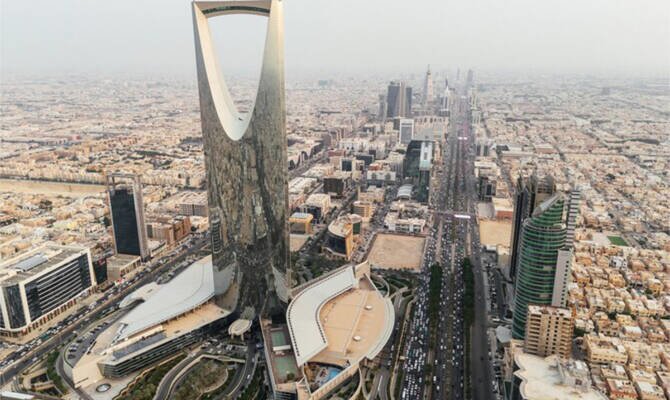
SYSTEM-DRIVEN dynamics define this story: Saudi Arabia’s long-term economic restructuring strategy, often grouped under its national diversification agenda, which is reshaping where global investors are allocating capital inside the kingdom beyond the traditional oil sector.
The key issue is that the most significant investment opportunities in Saudi Arabia are no longer concentrated in hydrocarbons, but in sectors being actively built to replace oil dependency over the coming decades.
This shift is not a single project but a coordinated state-led transformation of industrial policy, infrastructure, and foreign capital access.
One of the most underappreciated areas of this shift is mining and mineral extraction.
Saudi Arabia is believed to hold substantial untapped reserves of critical minerals, including phosphates, gold, copper, and rare earth-related resources.
These resources are increasingly important in global supply chains tied to renewable energy, electric vehicles, and advanced manufacturing.
The state has been working to expand exploration licensing, attract foreign mining firms, and develop downstream processing capacity rather than exporting raw material alone.
A second structural area is logistics and trade infrastructure.
Saudi Arabia’s geographic position between Asia, Europe, and Africa is being leveraged through large-scale port modernization, rail expansion, and industrial corridor development.
The intent is to convert geographic location into a revenue-generating logistics hub, reducing reliance on oil transit economics and instead capturing value from global trade flows.
Industrial manufacturing is another pillar of the investment landscape.
The kingdom is actively developing industrial cities and special economic zones designed to attract foreign manufacturers, particularly in metals processing, automotive components, and energy-related equipment.
These zones are structured to offer regulatory flexibility and infrastructure support in exchange for long-term industrial commitments.
Tourism and real estate development also play a role in the broader investment picture, but they function more as demand generators rather than core industrial transformation engines.
Mega-projects and coastal development initiatives are intended to create new domestic economic sectors, though their long-term financial returns depend heavily on sustained international visitation and domestic consumption growth.
The broader implication is that Saudi Arabia’s investment story is increasingly defined by capital reallocation rather than capital discovery.
Global investors are being drawn into sectors that were previously underdeveloped or inaccessible, not because they are newly created, but because state policy is actively unlocking them at scale.
What makes this shift structurally important is timing.
As global demand for critical minerals, supply chain resilience, and alternative manufacturing hubs increases, Saudi Arabia is positioning itself as a late entrant attempting to compress decades of industrial development into a shorter time horizon through sovereign capital deployment and regulatory reform.
The consequence is a re-rating of the kingdom’s economic identity: from a hydrocarbon exporter to a multi-sector industrial platform.
The most overlooked opportunities are not hidden assets but emerging systems that are still in the early phases of global recognition and capital saturation.
The key issue is that the most significant investment opportunities in Saudi Arabia are no longer concentrated in hydrocarbons, but in sectors being actively built to replace oil dependency over the coming decades.
This shift is not a single project but a coordinated state-led transformation of industrial policy, infrastructure, and foreign capital access.
One of the most underappreciated areas of this shift is mining and mineral extraction.
Saudi Arabia is believed to hold substantial untapped reserves of critical minerals, including phosphates, gold, copper, and rare earth-related resources.
These resources are increasingly important in global supply chains tied to renewable energy, electric vehicles, and advanced manufacturing.
The state has been working to expand exploration licensing, attract foreign mining firms, and develop downstream processing capacity rather than exporting raw material alone.
A second structural area is logistics and trade infrastructure.
Saudi Arabia’s geographic position between Asia, Europe, and Africa is being leveraged through large-scale port modernization, rail expansion, and industrial corridor development.
The intent is to convert geographic location into a revenue-generating logistics hub, reducing reliance on oil transit economics and instead capturing value from global trade flows.
Industrial manufacturing is another pillar of the investment landscape.
The kingdom is actively developing industrial cities and special economic zones designed to attract foreign manufacturers, particularly in metals processing, automotive components, and energy-related equipment.
These zones are structured to offer regulatory flexibility and infrastructure support in exchange for long-term industrial commitments.
Tourism and real estate development also play a role in the broader investment picture, but they function more as demand generators rather than core industrial transformation engines.
Mega-projects and coastal development initiatives are intended to create new domestic economic sectors, though their long-term financial returns depend heavily on sustained international visitation and domestic consumption growth.
The broader implication is that Saudi Arabia’s investment story is increasingly defined by capital reallocation rather than capital discovery.
Global investors are being drawn into sectors that were previously underdeveloped or inaccessible, not because they are newly created, but because state policy is actively unlocking them at scale.
What makes this shift structurally important is timing.
As global demand for critical minerals, supply chain resilience, and alternative manufacturing hubs increases, Saudi Arabia is positioning itself as a late entrant attempting to compress decades of industrial development into a shorter time horizon through sovereign capital deployment and regulatory reform.
The consequence is a re-rating of the kingdom’s economic identity: from a hydrocarbon exporter to a multi-sector industrial platform.
The most overlooked opportunities are not hidden assets but emerging systems that are still in the early phases of global recognition and capital saturation.