Lebanon’s Political Divisions Undermine Saudi Push for Israel Talks
Internal fractures over engagement with Israel are constraining Saudi Arabia’s efforts to broker stability along the border and reshape Lebanon’s regional alignment
ACTOR-DRIVEN political fragmentation inside Lebanon is obstructing Saudi Arabia’s attempt to advance indirect talks with Israel, exposing deep divisions over war, diplomacy, and the country’s future alignment in a volatile region.
What is confirmed is that Saudi Arabia has been working to reassert diplomatic influence in Lebanon after years of reduced engagement, positioning itself as a potential mediator in efforts to stabilize tensions along the Israel-Lebanon border.
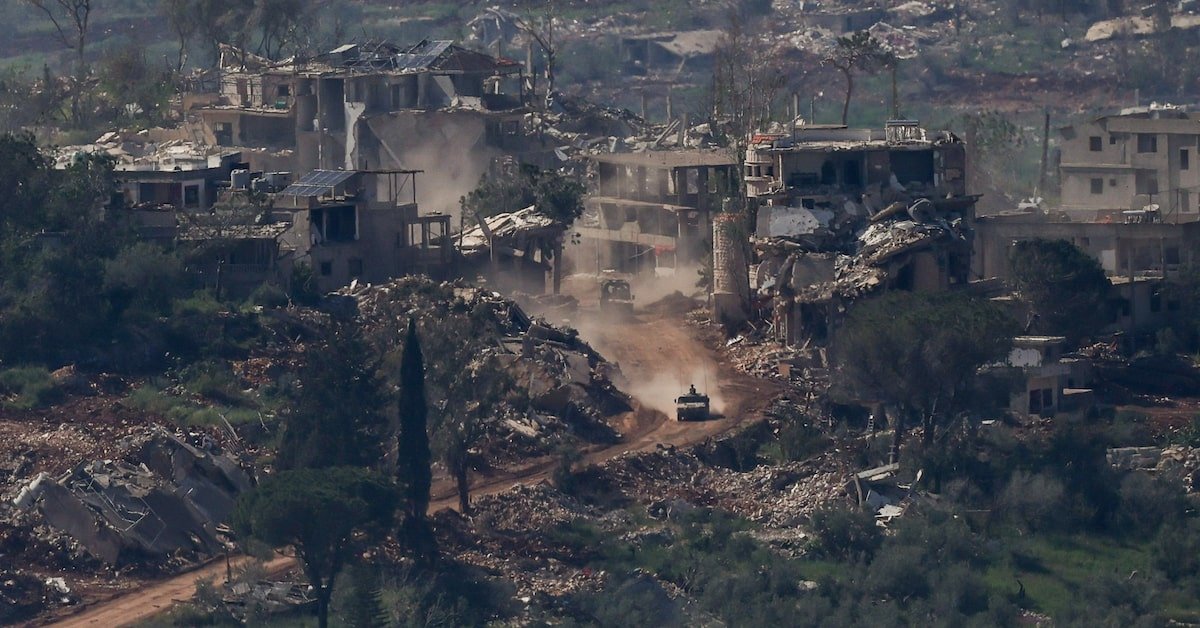
This comes amid ongoing cross-border hostilities involving Israel and Hezbollah, the Iran-backed armed group and political force that holds significant power within Lebanon.
The central obstacle is internal disagreement.
Lebanon’s political system is divided among factions with fundamentally different positions on Israel.
Hezbollah and its allies reject any form of negotiation or normalization, framing the conflict as part of a broader regional confrontation.
Other political actors, including some aligned with Western and Gulf interests, have shown greater openness to de-escalation mechanisms, particularly those aimed at preventing a wider war.
Saudi Arabia’s approach has focused on supporting state institutions and encouraging a framework in which the Lebanese government, rather than non-state actors, would take the lead in any engagement.
The goal is to reduce the risk of escalation along the southern border and reestablish a degree of state authority over security decisions.
However, the Lebanese state itself is structurally weak.
Years of economic collapse, political paralysis, and institutional erosion have limited the government’s ability to act independently.
Hezbollah maintains its own military capabilities and operates with a level of autonomy that constrains national decision-making, particularly on matters involving Israel.
The disagreement over talks is not only ideological but strategic.
For Hezbollah, maintaining a posture of resistance is central to its identity and regional role.
For its domestic opponents, avoiding a destructive conflict with Israel is an urgent priority given Lebanon’s economic crisis and limited capacity to absorb further shocks.
Saudi Arabia’s mediation effort is also shaped by its broader regional strategy.
The kingdom has been recalibrating its foreign policy, seeking to reduce direct confrontations while expanding diplomatic engagement.
In Lebanon, this translates into an attempt to counterbalance Iranian influence without triggering further instability.
The situation is further complicated by the absence of a unified Lebanese leadership.
The country has struggled to form stable governments and implement reforms, weakening its credibility in negotiations and limiting external actors’ ability to rely on official channels.
The immediate consequence is diplomatic stagnation.
Without consensus inside Lebanon, Saudi Arabia lacks a single counterpart capable of committing to or implementing any agreement related to Israel.
This limits progress to informal or indirect channels and prevents the emergence of a structured negotiation process.
The broader implication is that Lebanon’s internal divisions are now a decisive factor in regional diplomacy.
External mediation efforts, including those led by Saudi Arabia, are constrained not by lack of engagement but by the fragmentation of authority within Lebanon itself, leaving border stability dependent on shifting power balances rather than formal agreements.
What is confirmed is that Saudi Arabia has been working to reassert diplomatic influence in Lebanon after years of reduced engagement, positioning itself as a potential mediator in efforts to stabilize tensions along the Israel-Lebanon border.
This comes amid ongoing cross-border hostilities involving Israel and Hezbollah, the Iran-backed armed group and political force that holds significant power within Lebanon.
The central obstacle is internal disagreement.
Lebanon’s political system is divided among factions with fundamentally different positions on Israel.
Hezbollah and its allies reject any form of negotiation or normalization, framing the conflict as part of a broader regional confrontation.
Other political actors, including some aligned with Western and Gulf interests, have shown greater openness to de-escalation mechanisms, particularly those aimed at preventing a wider war.
Saudi Arabia’s approach has focused on supporting state institutions and encouraging a framework in which the Lebanese government, rather than non-state actors, would take the lead in any engagement.
The goal is to reduce the risk of escalation along the southern border and reestablish a degree of state authority over security decisions.
However, the Lebanese state itself is structurally weak.
Years of economic collapse, political paralysis, and institutional erosion have limited the government’s ability to act independently.
Hezbollah maintains its own military capabilities and operates with a level of autonomy that constrains national decision-making, particularly on matters involving Israel.
The disagreement over talks is not only ideological but strategic.
For Hezbollah, maintaining a posture of resistance is central to its identity and regional role.
For its domestic opponents, avoiding a destructive conflict with Israel is an urgent priority given Lebanon’s economic crisis and limited capacity to absorb further shocks.
Saudi Arabia’s mediation effort is also shaped by its broader regional strategy.
The kingdom has been recalibrating its foreign policy, seeking to reduce direct confrontations while expanding diplomatic engagement.
In Lebanon, this translates into an attempt to counterbalance Iranian influence without triggering further instability.
The situation is further complicated by the absence of a unified Lebanese leadership.
The country has struggled to form stable governments and implement reforms, weakening its credibility in negotiations and limiting external actors’ ability to rely on official channels.
The immediate consequence is diplomatic stagnation.
Without consensus inside Lebanon, Saudi Arabia lacks a single counterpart capable of committing to or implementing any agreement related to Israel.
This limits progress to informal or indirect channels and prevents the emergence of a structured negotiation process.
The broader implication is that Lebanon’s internal divisions are now a decisive factor in regional diplomacy.
External mediation efforts, including those led by Saudi Arabia, are constrained not by lack of engagement but by the fragmentation of authority within Lebanon itself, leaving border stability dependent on shifting power balances rather than formal agreements.