Iran Evaluates US Peace Proposal as Trump Claims Tehran Wants a Deal
Sources indicate a one-page memorandum could end the conflict, but key issues remain unresolved.
Iran has announced it is reviewing a United States peace proposal aimed at ending the ongoing war between the two nations.
The proposal, according to sources briefed on the negotiations, would formally conclude the conflict while leaving several significant US demands unaddressed for now.
US President Donald Trump expressed optimism about Iran's willingness to enter into an agreement.
"They want to make a deal," Trump stated in the Oval Office on Wednesday.
"We’ve had very good talks over the last 24 hours, and it’s very possible that we’ll make a deal".
However, earlier in the day, he threatened to resume military strikes against Iran, indicating skepticism about the likelihood of an agreement.
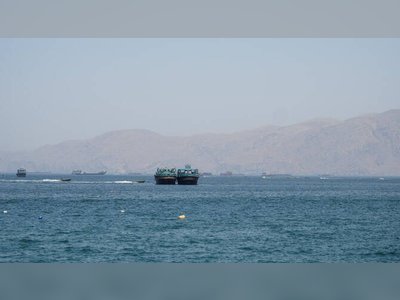
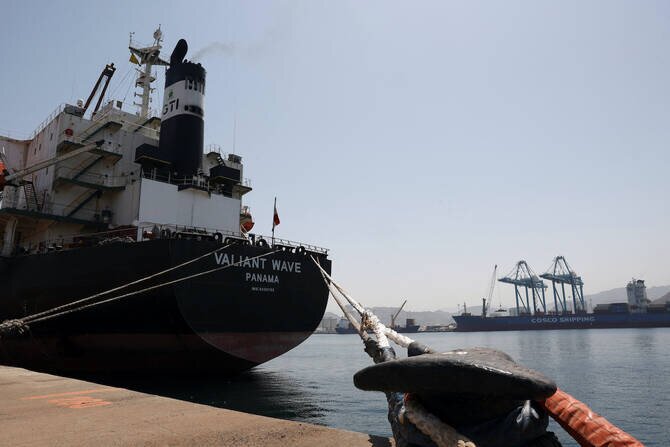
The proposed deal focuses on a one-page memorandum that would end the war and initiate discussions on unblocking shipping through the Strait of Hormuz, lifting US sanctions on Iran, and imposing limits on Iran's nuclear program.
The details of this proposal remain unclear in comparison to Iran's previously stated 14-point plan.
Iranian lawmakers have been critical of the proposal, with Ebrahim Rezaei calling it "more of an American wish-list than a reality".
Parliament Speaker Mohammad Baqer Qalibaf also dismissed reports suggesting progress in negotiations, labeling them as US spin following their failure to open the Strait of Hormuz.
The possibility of an agreement led to a temporary decline in global oil prices, with Brent crude futures falling around 11 percent before rebounding above $100 per barrel.
Global stock markets rose, and bond yields fell on the news.
The negotiation process involves US envoys Steve Witkoff and Jared Kushner, leading the talks from the American side.
If both parties agree to a preliminary deal, they would enter into 30 days of detailed negotiations to reach a comprehensive agreement.
This full agreement is intended to lift sanctions, release frozen Iranian funds, and impose curbs on Iran's nuclear program.
Notably, the sources involved in the negotiations did not mention several key US demands that have previously been rejected by Iran, including restrictions on its missile program and support for proxy militias in the Middle East.
Additionally, there was no mention of Iran's existing stockpile of near-weapons-grade uranium.
Prime Minister Benjamin Netanyahu of Israel, an ally to Trump, stated that both leaders agreed that all enriched uranium must be removed from Iran to prevent the development of a nuclear weapon.
Tehran has consistently denied any intention to acquire nuclear weapons.
The proposal, according to sources briefed on the negotiations, would formally conclude the conflict while leaving several significant US demands unaddressed for now.
US President Donald Trump expressed optimism about Iran's willingness to enter into an agreement.
"They want to make a deal," Trump stated in the Oval Office on Wednesday.
"We’ve had very good talks over the last 24 hours, and it’s very possible that we’ll make a deal".
However, earlier in the day, he threatened to resume military strikes against Iran, indicating skepticism about the likelihood of an agreement.
The proposed deal focuses on a one-page memorandum that would end the war and initiate discussions on unblocking shipping through the Strait of Hormuz, lifting US sanctions on Iran, and imposing limits on Iran's nuclear program.
The details of this proposal remain unclear in comparison to Iran's previously stated 14-point plan.
Iranian lawmakers have been critical of the proposal, with Ebrahim Rezaei calling it "more of an American wish-list than a reality".
Parliament Speaker Mohammad Baqer Qalibaf also dismissed reports suggesting progress in negotiations, labeling them as US spin following their failure to open the Strait of Hormuz.
The possibility of an agreement led to a temporary decline in global oil prices, with Brent crude futures falling around 11 percent before rebounding above $100 per barrel.
Global stock markets rose, and bond yields fell on the news.
The negotiation process involves US envoys Steve Witkoff and Jared Kushner, leading the talks from the American side.
If both parties agree to a preliminary deal, they would enter into 30 days of detailed negotiations to reach a comprehensive agreement.
This full agreement is intended to lift sanctions, release frozen Iranian funds, and impose curbs on Iran's nuclear program.
Notably, the sources involved in the negotiations did not mention several key US demands that have previously been rejected by Iran, including restrictions on its missile program and support for proxy militias in the Middle East.
Additionally, there was no mention of Iran's existing stockpile of near-weapons-grade uranium.
Prime Minister Benjamin Netanyahu of Israel, an ally to Trump, stated that both leaders agreed that all enriched uranium must be removed from Iran to prevent the development of a nuclear weapon.
Tehran has consistently denied any intention to acquire nuclear weapons.