Debate Over Arab Investment in US Alliance Highlights Strategic Friction in Middle East Policy
The statement reflects growing regional reassessment of security dependence on Washington amid shifting geopolitical priorities and economic diversification strategies.
SYSTEM-DRIVEN
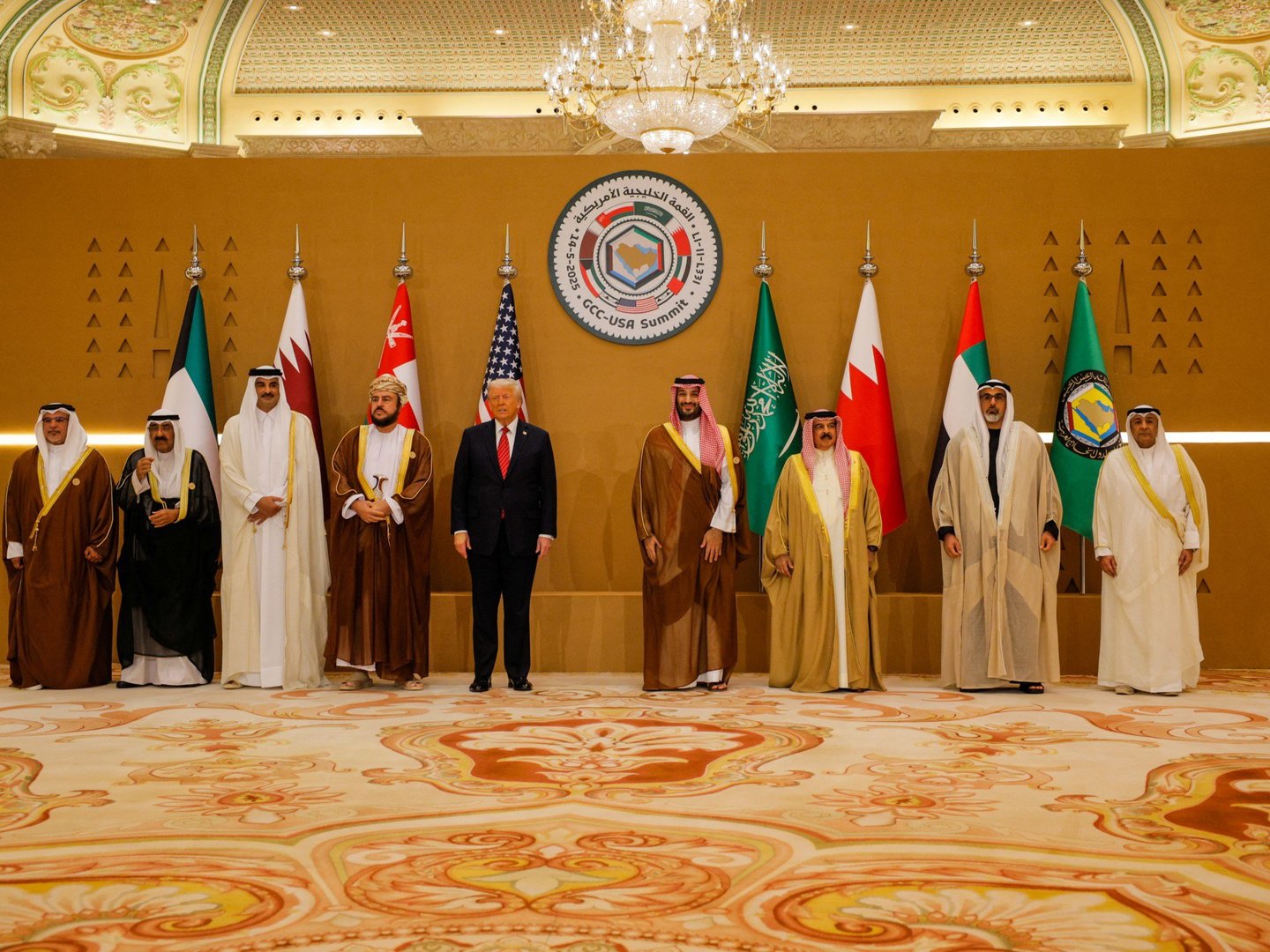
The debate over whether it still makes strategic sense for Arab states to invest heavily in a security and political alliance with the United States reflects a broader structural shift in global geopolitics rather than a single diplomatic dispute.
The issue is rooted in changing energy markets, evolving regional threat perceptions, and the gradual rebalancing of global power away from a unipolar US-led system.
What is confirmed is that skepticism toward the long-term value of exclusive reliance on US security guarantees has become more visible in parts of the Middle East policy discourse.
This reflects a wider reassessment among Arab governments as they expand diplomatic, economic, and security relationships with other global actors, including China, Russia, and regional powers.
The key issue is that the traditional US-Arab security relationship, built over decades around energy security and military protection agreements, is increasingly being tested by divergent priorities.
While the United States continues to maintain extensive military and intelligence cooperation with Gulf states, some regional actors are simultaneously pursuing strategic autonomy through diversification of alliances.
This shift is driven in part by the changing structure of global energy markets, where the United States has reduced its dependence on Middle Eastern oil, altering the original strategic foundation of the relationship.
At the same time, Gulf countries are pursuing economic transformation agendas that prioritize investment, technology transfer, and infrastructure development over purely security-based partnerships.
Another factor shaping this reassessment is perceived unpredictability in US foreign policy across different administrations, which has led some regional governments to question the durability of long-term commitments.
This has encouraged a hedging strategy in which states maintain cooperation with Washington while simultaneously expanding ties with alternative global powers.
However, the US remains deeply embedded in the region’s security architecture.
Military bases, arms agreements, intelligence sharing, and counterterrorism cooperation continue to bind Arab states and the United States together in ways that are not easily replaced.
This creates a situation of partial dependence even as diversification efforts expand.
The implications of this debate are significant.
A gradual shift away from exclusive reliance on the United States could lead to a more multipolar security environment in the Middle East, where no single external power dominates.
This would increase diplomatic flexibility for Arab states but could also introduce greater complexity and competition among external actors operating in the region.
At the same time, any reduction in strategic alignment with Washington would need to be carefully managed to avoid destabilizing existing security arrangements.
For now, the most accurate characterization is not a break in the alliance, but a recalibration of its perceived value within a rapidly changing global order.
The debate over whether it still makes strategic sense for Arab states to invest heavily in a security and political alliance with the United States reflects a broader structural shift in global geopolitics rather than a single diplomatic dispute.
The issue is rooted in changing energy markets, evolving regional threat perceptions, and the gradual rebalancing of global power away from a unipolar US-led system.
What is confirmed is that skepticism toward the long-term value of exclusive reliance on US security guarantees has become more visible in parts of the Middle East policy discourse.
This reflects a wider reassessment among Arab governments as they expand diplomatic, economic, and security relationships with other global actors, including China, Russia, and regional powers.
The key issue is that the traditional US-Arab security relationship, built over decades around energy security and military protection agreements, is increasingly being tested by divergent priorities.
While the United States continues to maintain extensive military and intelligence cooperation with Gulf states, some regional actors are simultaneously pursuing strategic autonomy through diversification of alliances.
This shift is driven in part by the changing structure of global energy markets, where the United States has reduced its dependence on Middle Eastern oil, altering the original strategic foundation of the relationship.
At the same time, Gulf countries are pursuing economic transformation agendas that prioritize investment, technology transfer, and infrastructure development over purely security-based partnerships.
Another factor shaping this reassessment is perceived unpredictability in US foreign policy across different administrations, which has led some regional governments to question the durability of long-term commitments.
This has encouraged a hedging strategy in which states maintain cooperation with Washington while simultaneously expanding ties with alternative global powers.
However, the US remains deeply embedded in the region’s security architecture.
Military bases, arms agreements, intelligence sharing, and counterterrorism cooperation continue to bind Arab states and the United States together in ways that are not easily replaced.
This creates a situation of partial dependence even as diversification efforts expand.
The implications of this debate are significant.
A gradual shift away from exclusive reliance on the United States could lead to a more multipolar security environment in the Middle East, where no single external power dominates.
This would increase diplomatic flexibility for Arab states but could also introduce greater complexity and competition among external actors operating in the region.
At the same time, any reduction in strategic alignment with Washington would need to be carefully managed to avoid destabilizing existing security arrangements.
For now, the most accurate characterization is not a break in the alliance, but a recalibration of its perceived value within a rapidly changing global order.