Saudi-UAE Rift Deepens in a ‘Cold War’ That Is Reshaping the Middle East
Strategic, military and economic competition between Riyadh and Abu Dhabi is now public, raising concerns about regional stability and commerce
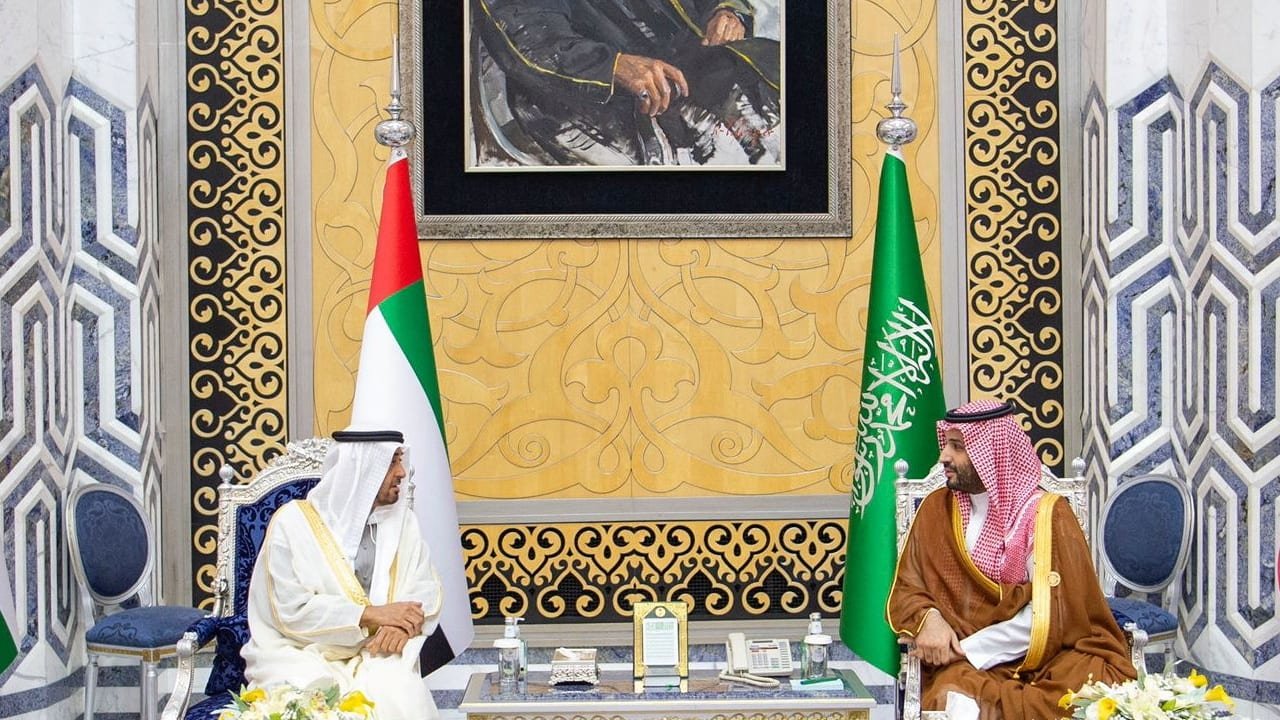
For decades viewed as Gulf partners, Saudi Arabia and the United Arab Emirates are increasingly locked in a strategic rivalry that analysts and officials alike describe as a new “Cold War” within the Middle East, with consequences stretching from Yemen to the Horn of Africa.
The relationship between the region’s two most powerful monarchies has shifted from discreet competition to open friction over divergent visions of regional order, security strategy and economic influence.
The tensions became overt in late 2025 when a UAE-backed offensive by the Southern Transitional Council (STC) in Yemen’s south led to direct Saudi condemnation and military action, including Riyadh-led strikes on what it said were weapons shipments from Abu Dhabi.
The dispute erupted into the open after the Saudi-supported Yemeni government declared a state of emergency, ordered the UAE’s forces to withdraw and cancelled defence cooperation agreements, prompting the UAE’s complete pullback from Yemen.
Beyond Yemen, experts say the rivalry reflects deeper divergences in foreign policy.
Riyadh’s push to reassert itself as the Gulf’s leading power, anchored in its size, economic weight and Vision 2030 transformation agenda, increasingly clashes with Abu Dhabi’s more assertive, globally active strategy that embraces partnerships across Africa and strategic maritime zones like the Red Sea.
Analysts suggest that these competing ambitions have transformed what once was a cooperative alliance into a contest for influence and leadership across the region.
The fallout is not confined to geopolitics.
Middle Eastern businesses have voiced concern about commercial friction as tensions appear to spill into economic relations, including reported difficulties for UAE-based firms securing Saudi visas, even as both states continue robust trade ties worth more than tens of billions of dollars annually.
Some executives are navigating the dispute by applying through third countries to maintain mobility across the Gulf.
Observers also warn the rivalry could reshape alliances beyond the Gulf, including emerging security alignments involving Israel and interests in the Horn of Africa and the Red Sea, as states recalibrate to a more competitive regional environment.
The deepening Saudi-UAE divide presents a complex challenge for Gulf stability and for external partners seeking to balance relations with both capitals while avoiding entanglement in intra-Gulf disputes.
The relationship between the region’s two most powerful monarchies has shifted from discreet competition to open friction over divergent visions of regional order, security strategy and economic influence.
The tensions became overt in late 2025 when a UAE-backed offensive by the Southern Transitional Council (STC) in Yemen’s south led to direct Saudi condemnation and military action, including Riyadh-led strikes on what it said were weapons shipments from Abu Dhabi.
The dispute erupted into the open after the Saudi-supported Yemeni government declared a state of emergency, ordered the UAE’s forces to withdraw and cancelled defence cooperation agreements, prompting the UAE’s complete pullback from Yemen.
Beyond Yemen, experts say the rivalry reflects deeper divergences in foreign policy.
Riyadh’s push to reassert itself as the Gulf’s leading power, anchored in its size, economic weight and Vision 2030 transformation agenda, increasingly clashes with Abu Dhabi’s more assertive, globally active strategy that embraces partnerships across Africa and strategic maritime zones like the Red Sea.
Analysts suggest that these competing ambitions have transformed what once was a cooperative alliance into a contest for influence and leadership across the region.
The fallout is not confined to geopolitics.
Middle Eastern businesses have voiced concern about commercial friction as tensions appear to spill into economic relations, including reported difficulties for UAE-based firms securing Saudi visas, even as both states continue robust trade ties worth more than tens of billions of dollars annually.
Some executives are navigating the dispute by applying through third countries to maintain mobility across the Gulf.
Observers also warn the rivalry could reshape alliances beyond the Gulf, including emerging security alignments involving Israel and interests in the Horn of Africa and the Red Sea, as states recalibrate to a more competitive regional environment.
The deepening Saudi-UAE divide presents a complex challenge for Gulf stability and for external partners seeking to balance relations with both capitals while avoiding entanglement in intra-Gulf disputes.