Saudi Arabia Redesigns Economic Road Map as High-Profile Megaprojects Are Scaled Back
Riyadh retreats from ambitious flagship developments amid tighter finances and shifts focus to diversified, sustainable growth
Saudi Arabia is recalibrating its economic strategy by scaling back the scope of several high-profile megaprojects and refocusing investment priorities to align with fiscal reality and long-term diversification goals.
The shift marks a departure from earlier, expansive plans under Vision 2030 and reflects a broader reassessment of development models as the kingdom adapts to subdued oil revenues and competing spending commitments.
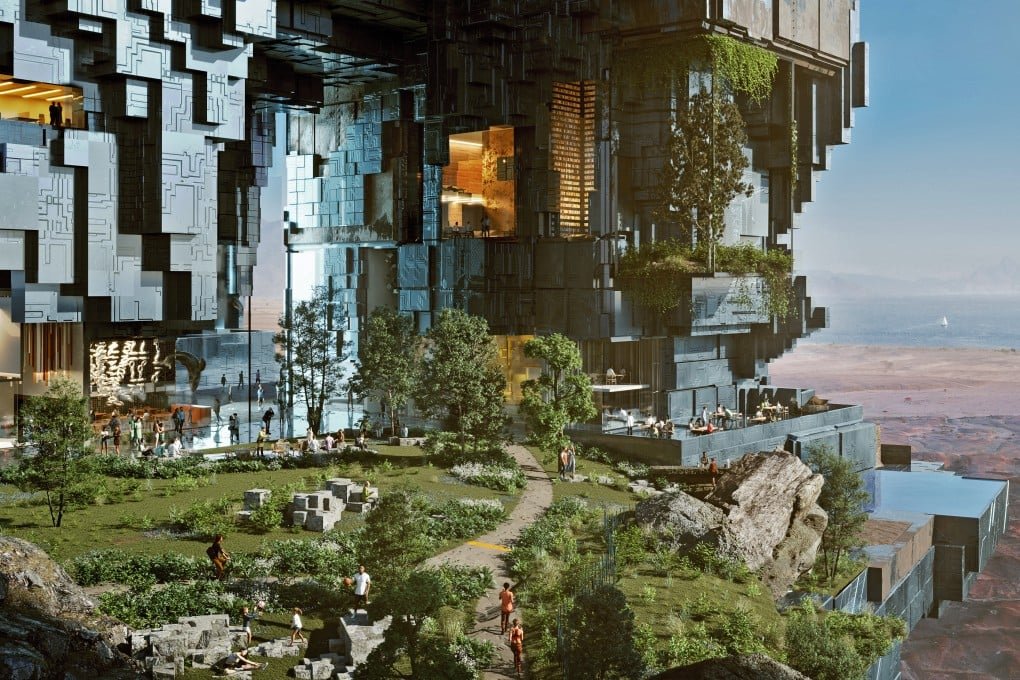
Officials and people familiar with planning discussions have confirmed that the iconic NEOM initiative, and especially its centerpiece ‘‘The Line,’’ is undergoing significant redesign and downsizing.
Once envisioned as a 170-kilometre futuristic linear city capable of housing millions of residents, ‘‘The Line’’ will now be ‘‘far smaller’’ with a likely emphasis on industrial and advanced technology uses such as artificial intelligence data centres instead of dense residential urban space.
This pivot comes after sustained delays, cost overruns and tighter liquidity that have highlighted the practical and financial limits of previously ambitious blueprints.
The changes follow a year-long internal review of NEOM led by its new chief executive, which is concluding with recommendations to prioritise strategic value and sustainable impact over scale for its component projects.
Key elements like the ski destination Trojena have already been downsized and will no longer host the Asian Winter Games as originally planned.
Observers say these adjustments illustrate Riyadh’s growing willingness to adapt projects to economic conditions rather than persisting with models that have proven unviable at their original scope.
The strategic shift is occurring alongside broader fiscal planning for 2026, which emphasises private-sector participation, non-oil revenue expansion and disciplined budget management.
The government’s National Privatization Strategy and execution-oriented budgeting indicate that execution and sustainability are now at the forefront of economic policymaking, rather than headline megaproject announcements.
Despite the scaling back of some marquee initiatives, analysts note that many infrastructure and development programmes continue to advance in line with Vision 2030’s underlying goals of economic diversification and long-term growth.
The ongoing adaptation underscores a pragmatic phase in Saudi Arabia’s transformation journey, balancing ambition with fiscal prudence and strategic focus.
The shift marks a departure from earlier, expansive plans under Vision 2030 and reflects a broader reassessment of development models as the kingdom adapts to subdued oil revenues and competing spending commitments.
Officials and people familiar with planning discussions have confirmed that the iconic NEOM initiative, and especially its centerpiece ‘‘The Line,’’ is undergoing significant redesign and downsizing.
Once envisioned as a 170-kilometre futuristic linear city capable of housing millions of residents, ‘‘The Line’’ will now be ‘‘far smaller’’ with a likely emphasis on industrial and advanced technology uses such as artificial intelligence data centres instead of dense residential urban space.
This pivot comes after sustained delays, cost overruns and tighter liquidity that have highlighted the practical and financial limits of previously ambitious blueprints.
The changes follow a year-long internal review of NEOM led by its new chief executive, which is concluding with recommendations to prioritise strategic value and sustainable impact over scale for its component projects.
Key elements like the ski destination Trojena have already been downsized and will no longer host the Asian Winter Games as originally planned.
Observers say these adjustments illustrate Riyadh’s growing willingness to adapt projects to economic conditions rather than persisting with models that have proven unviable at their original scope.
The strategic shift is occurring alongside broader fiscal planning for 2026, which emphasises private-sector participation, non-oil revenue expansion and disciplined budget management.
The government’s National Privatization Strategy and execution-oriented budgeting indicate that execution and sustainability are now at the forefront of economic policymaking, rather than headline megaproject announcements.
Despite the scaling back of some marquee initiatives, analysts note that many infrastructure and development programmes continue to advance in line with Vision 2030’s underlying goals of economic diversification and long-term growth.
The ongoing adaptation underscores a pragmatic phase in Saudi Arabia’s transformation journey, balancing ambition with fiscal prudence and strategic focus.