
Saudi-Pakistan Defence Pact Stirs Regional Security Debate as Middle East Faces Strategic Realignment
A landmark mutual defence agreement between Riyadh and Islamabad deepens military cooperation but raises concerns about shifting alliances and potential destabilising effects in the Middle East and South Asia
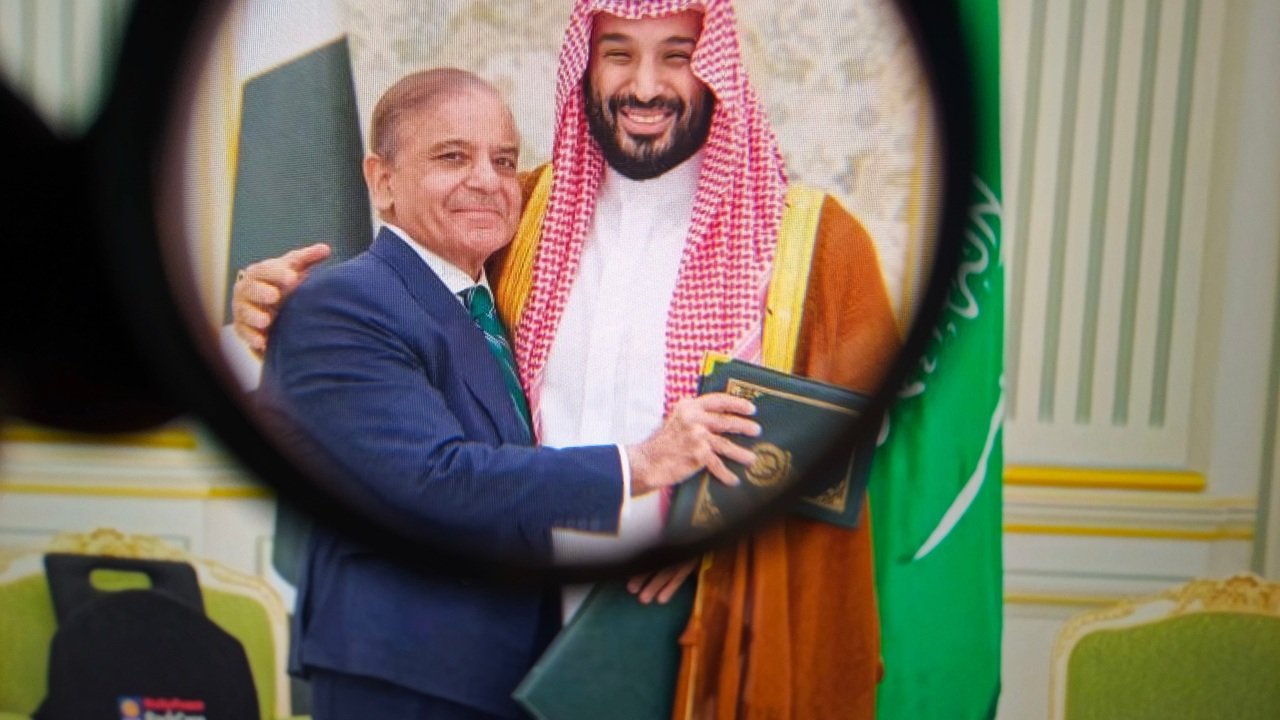
Saudi Arabia and Pakistan have forged a Strategic Mutual Defence Agreement that commits both countries to treat any act of aggression against one as an attack on both, creating a new layer of military cooperation between the Gulf and South Asia at a time of heightened regional tensions.
The pact was signed in Riyadh in September 2025 and represents the first formal security treaty between a Gulf Arab state and a nuclear-armed partner, broadening the strategic framework that has long bound the two nations through informal ties, training missions and financial support.
Under the agreement, Riyadh is seeking to diversify its security partnerships beyond traditional reliance on the United States, driven in part by perceptions of eroding U.S. credibility following regional crises, while Islamabad positions itself as a more prominent defence player with geopolitical reach.
The accord also dovetails with discussions to convert Saudi loans into Pakistan’s acquisition of JF-17 Thunder fighter jets, deepening practical interoperability between their armed forces and signalling a step toward a more integrated military posture.
Despite official portrayals of the pact as a stabilising mechanism aimed at deterring aggression and fostering peace, analysts warn that it could unsettle established security arrangements in the Middle East.
Some observers note that linking Gulf security so closely with Pakistan — a country with its own complex strategic rivalries — may complicate Riyadh’s relationships with other powers, including India and the United States, and inject uncertainty into regional defence planning.
The pact’s deterrence clause, while symbolic, raises questions about how commitments would be operationalised in the event of conflict, particularly given Pakistan’s nuclear status and the broader geopolitical ripple effects on Israel and South Asian security dynamics.
Dubai and Islamabad emphasise that the agreement reflects shared historical ties, mutual interests and collective concerns about threats to stability, but the precise implications for long-term regional equilibrium remain open to interpretation as leaders and policymakers assess evolving strategic priorities.
The pact was signed in Riyadh in September 2025 and represents the first formal security treaty between a Gulf Arab state and a nuclear-armed partner, broadening the strategic framework that has long bound the two nations through informal ties, training missions and financial support.
Under the agreement, Riyadh is seeking to diversify its security partnerships beyond traditional reliance on the United States, driven in part by perceptions of eroding U.S. credibility following regional crises, while Islamabad positions itself as a more prominent defence player with geopolitical reach.
The accord also dovetails with discussions to convert Saudi loans into Pakistan’s acquisition of JF-17 Thunder fighter jets, deepening practical interoperability between their armed forces and signalling a step toward a more integrated military posture.
Despite official portrayals of the pact as a stabilising mechanism aimed at deterring aggression and fostering peace, analysts warn that it could unsettle established security arrangements in the Middle East.
Some observers note that linking Gulf security so closely with Pakistan — a country with its own complex strategic rivalries — may complicate Riyadh’s relationships with other powers, including India and the United States, and inject uncertainty into regional defence planning.
The pact’s deterrence clause, while symbolic, raises questions about how commitments would be operationalised in the event of conflict, particularly given Pakistan’s nuclear status and the broader geopolitical ripple effects on Israel and South Asian security dynamics.
Dubai and Islamabad emphasise that the agreement reflects shared historical ties, mutual interests and collective concerns about threats to stability, but the precise implications for long-term regional equilibrium remain open to interpretation as leaders and policymakers assess evolving strategic priorities.