Saudi-Israel question resurfaces as debate grows over regional alignment and strategic identity
Analysis explores whether Israel is converging with Gulf-style economic modernisation models as Saudi Arabia recalibrates its own regional posture amid shifting diplomatic realities.
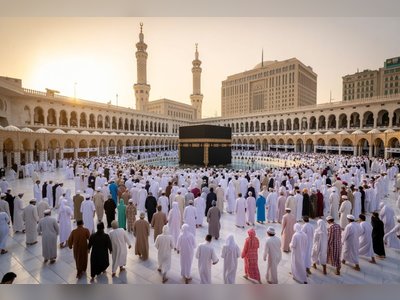
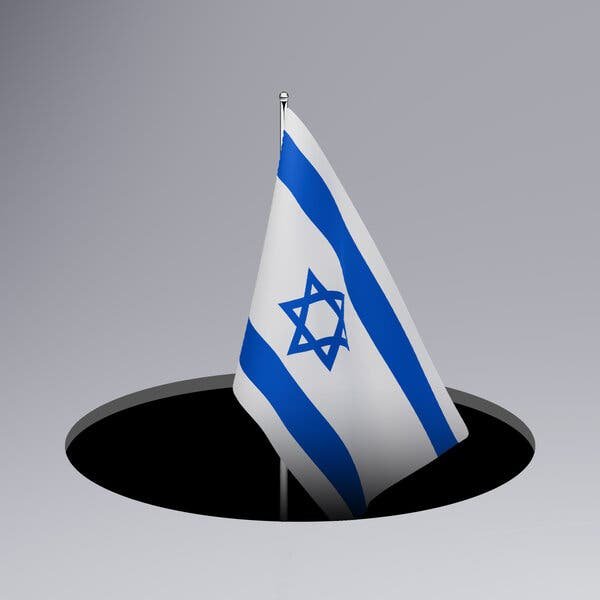
A renewed analytical debate over the future of Middle Eastern alignments has centred on whether Israel is, in a strategic sense, moving closer to the model of Gulf states such as Saudi Arabia, as shifting regional diplomacy continues to reshape assumptions about alliances, economic development, and security architecture.
The discussion reflects broader uncertainty surrounding the long-term trajectory of Israel–Saudi relations, which have oscillated between cautious engagement and political stagnation since the emergence of the Abraham Accords framework.
While formal normalisation between the two countries has not been concluded, multiple diplomatic channels and security interests have continued to operate in parallel, particularly in relation to regional stability concerns and shared strategic priorities.
Recent analytical assessments highlight that Saudi Arabia’s domestic and regional considerations have become increasingly influential in shaping its foreign policy posture.
Public sentiment within the kingdom has shown strong opposition to formal normalisation in the absence of progress on Palestinian statehood, reinforcing Riyadh’s position that any future diplomatic breakthrough would require a structured political framework addressing Palestinian aspirations alongside broader security guarantees.
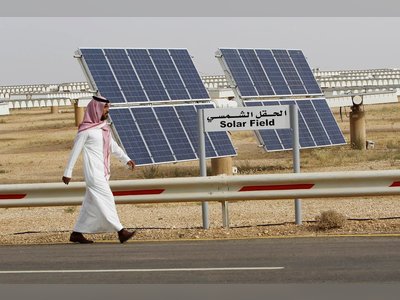
At the same time, Saudi Arabia’s Vision 2030 transformation agenda has accelerated domestic economic diversification, with emphasis on technology, infrastructure, and global investment integration.
This shift has drawn comparisons with Israel’s own innovation-driven economy, which is similarly anchored in high technology sectors, global trade connectivity, and strategic partnerships with Western economies.
Israel, for its part, continues to strengthen its position as a technologically advanced and diplomatically active state in the region, maintaining close security coordination with key international partners and expanding economic ties with multiple Arab states that already participated in earlier normalisation agreements.
These developments have contributed to a wider regional environment in which informal cooperation often precedes formal diplomatic recognition.
Analysts note that while speculative comparisons between national models can highlight converging economic and strategic trends, the political realities surrounding Israel–Saudi relations remain highly contingent on broader regional stability, including the trajectory of the Palestinian question and the evolving security landscape of the Middle East.
As diplomatic calculations continue to evolve, both Israel and Saudi Arabia remain central actors in a region undergoing sustained geopolitical restructuring, with future alignments likely to be shaped by a combination of security imperatives, economic transformation agendas, and domestic political constraints.
The discussion reflects broader uncertainty surrounding the long-term trajectory of Israel–Saudi relations, which have oscillated between cautious engagement and political stagnation since the emergence of the Abraham Accords framework.
While formal normalisation between the two countries has not been concluded, multiple diplomatic channels and security interests have continued to operate in parallel, particularly in relation to regional stability concerns and shared strategic priorities.
Recent analytical assessments highlight that Saudi Arabia’s domestic and regional considerations have become increasingly influential in shaping its foreign policy posture.
Public sentiment within the kingdom has shown strong opposition to formal normalisation in the absence of progress on Palestinian statehood, reinforcing Riyadh’s position that any future diplomatic breakthrough would require a structured political framework addressing Palestinian aspirations alongside broader security guarantees.
At the same time, Saudi Arabia’s Vision 2030 transformation agenda has accelerated domestic economic diversification, with emphasis on technology, infrastructure, and global investment integration.
This shift has drawn comparisons with Israel’s own innovation-driven economy, which is similarly anchored in high technology sectors, global trade connectivity, and strategic partnerships with Western economies.
Israel, for its part, continues to strengthen its position as a technologically advanced and diplomatically active state in the region, maintaining close security coordination with key international partners and expanding economic ties with multiple Arab states that already participated in earlier normalisation agreements.
These developments have contributed to a wider regional environment in which informal cooperation often precedes formal diplomatic recognition.
Analysts note that while speculative comparisons between national models can highlight converging economic and strategic trends, the political realities surrounding Israel–Saudi relations remain highly contingent on broader regional stability, including the trajectory of the Palestinian question and the evolving security landscape of the Middle East.
As diplomatic calculations continue to evolve, both Israel and Saudi Arabia remain central actors in a region undergoing sustained geopolitical restructuring, with future alignments likely to be shaped by a combination of security imperatives, economic transformation agendas, and domestic political constraints.