China signals strategic interest to Saudi Arabia over Strait of Hormuz stability
Beijing has reiterated its concern over maritime security in the Strait of Hormuz, underscoring its energy dependence on Gulf stability and deepening diplomatic engagement with Riyadh.
China has conveyed a clear message to Saudi Arabia regarding the strategic importance of stability in the Strait of Hormuz, highlighting the chokepoint’s central role in global energy flows and Beijing’s growing dependence on uninterrupted Gulf oil supplies.
The message comes amid heightened international attention on maritime security in the region, where any disruption to shipping routes through the Strait of Hormuz could have immediate consequences for global energy markets.
China, as one of the world’s largest importers of crude oil, sources a significant share of its energy from Gulf producers, making regional stability a core economic and strategic concern.
In its communications with Saudi counterparts, Beijing has emphasised the importance of safeguarding commercial navigation and maintaining open sea lanes.
Saudi Arabia, a leading oil exporter and influential regional actor, remains a key partner in China’s energy strategy, with bilateral trade and investment ties expanding steadily over recent years.
The exchange reflects a broader pattern of increased Chinese diplomatic engagement in the Middle East, where Beijing has sought to position itself as a stabilising economic partner while avoiding direct military entanglement.
This approach has included support for regional dialogue mechanisms and a focus on infrastructure, energy cooperation, and trade.
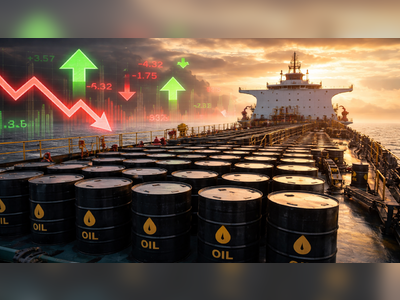
The Strait of Hormuz remains one of the world’s most critical maritime passages, with a significant portion of global seaborne oil transiting through its waters.
As a result, even speculative risks to shipping routes are closely monitored by major importing economies, including China, Japan, and European Union member states.
Saudi Arabia’s relationship with China has deepened alongside its broader strategy of diversifying international partnerships under long-term economic transformation plans.
The latest diplomatic messaging underscores mutual interest in preserving regional stability, particularly in areas that directly affect global energy security and trade continuity.
The message comes amid heightened international attention on maritime security in the region, where any disruption to shipping routes through the Strait of Hormuz could have immediate consequences for global energy markets.
China, as one of the world’s largest importers of crude oil, sources a significant share of its energy from Gulf producers, making regional stability a core economic and strategic concern.
In its communications with Saudi counterparts, Beijing has emphasised the importance of safeguarding commercial navigation and maintaining open sea lanes.
Saudi Arabia, a leading oil exporter and influential regional actor, remains a key partner in China’s energy strategy, with bilateral trade and investment ties expanding steadily over recent years.
The exchange reflects a broader pattern of increased Chinese diplomatic engagement in the Middle East, where Beijing has sought to position itself as a stabilising economic partner while avoiding direct military entanglement.
This approach has included support for regional dialogue mechanisms and a focus on infrastructure, energy cooperation, and trade.
The Strait of Hormuz remains one of the world’s most critical maritime passages, with a significant portion of global seaborne oil transiting through its waters.
As a result, even speculative risks to shipping routes are closely monitored by major importing economies, including China, Japan, and European Union member states.
Saudi Arabia’s relationship with China has deepened alongside its broader strategy of diversifying international partnerships under long-term economic transformation plans.
The latest diplomatic messaging underscores mutual interest in preserving regional stability, particularly in areas that directly affect global energy security and trade continuity.