Saudi Arabia’s Spending Slowdown Signals a Strategic Pivot Under Fiscal Pressure
After years of mega-project investment, Riyadh is tightening priorities as oil dependence and budget constraints reshape Vision 2030
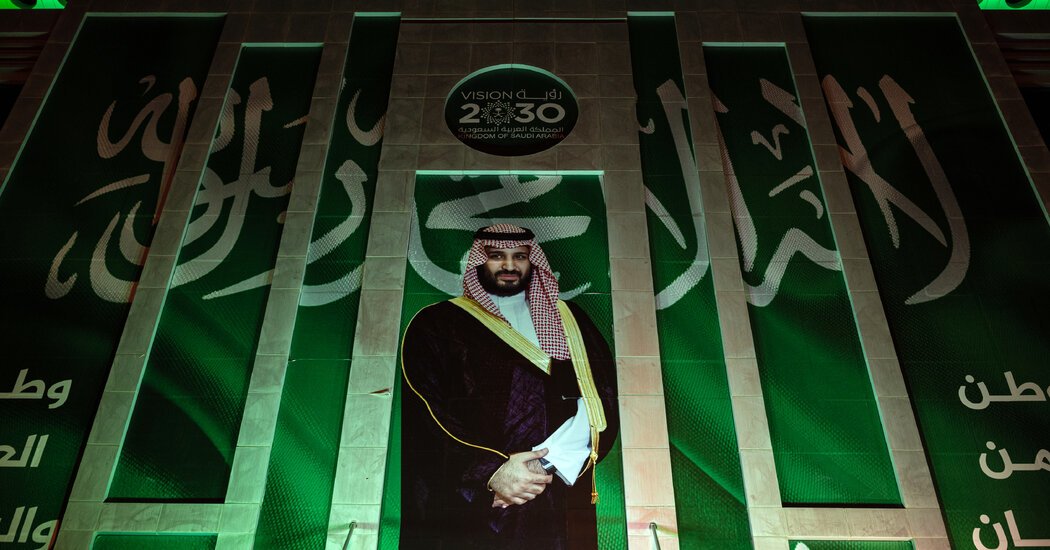
Saudi Arabia’s economic transformation strategy—anchored in the state-led Vision 2030 program—is driving a marked reassessment of the kingdom’s once-unrestrained spending on mega-projects, signaling the end of an era defined by rapid, high-cost development initiatives.
What is confirmed is that Saudi authorities are increasingly prioritizing fiscal discipline and project selectivity after years of aggressive investment in large-scale developments ranging from futuristic cities to tourism megaprojects.
These initiatives were designed to diversify the economy away from oil dependence, but their scale and cost have placed significant strain on public finances during periods of fluctuating oil revenue.
The mechanism behind the shift is structural fiscal recalibration.
Saudi Arabia remains heavily dependent on hydrocarbon income, and while high oil prices in recent years have supported state budgets, volatility in global energy markets has exposed the risks of sustained high expenditure.
As a result, government-linked investment vehicles and ministries are now reassessing timelines, scaling back certain projects, and prioritizing those with clearer near-term economic returns.
Central to this reassessment is the Public Investment Fund, the sovereign wealth fund tasked with driving much of the kingdom’s diversification agenda.
The fund has deployed hundreds of billions of dollars into domestic transformation projects and international investments, but the pace of new commitments is now being moderated in favor of liquidity management and project execution efficiency.
The implications are visible across flagship developments.
Some previously fast-tracked giga-projects are being delayed, redesigned, or phased over longer timelines.
The focus is shifting from rapid announcement cycles to delivery capability, reflecting growing pressure to demonstrate tangible economic returns rather than symbolic ambition.
This adjustment does not represent a retreat from Vision 2030, but rather a recalibration.
The program remains the central framework for reducing Saudi Arabia’s reliance on oil revenues, expanding private sector activity, and developing sectors such as tourism, logistics, and entertainment.
However, the emphasis is moving from expansion to consolidation.
The stakes are significant for both domestic and global markets.
Internally, reduced spending momentum could affect employment in construction and related sectors that had expanded rapidly during the peak of investment activity.
It also raises questions about the speed at which the kingdom can diversify its economic base and absorb a growing young workforce.
Internationally, the slowdown affects global capital flows and contractors that had positioned themselves around Saudi mega-project demand.
Engineering firms, infrastructure developers, and technology providers that benefited from large contracts may see more competitive bidding environments and slower project pipelines.
At the same time, the shift reflects broader realities of sovereign wealth management.
Large-scale transformation programs must balance ambition with fiscal sustainability, particularly when financed by a single dominant revenue source.
Saudi policymakers are increasingly aligning spending with long-term budget stability rather than short-term expansion targets.
The immediate outcome is not a reversal of strategy but a tightening of execution.
Saudi Arabia is moving from a phase defined by rapid announcement and capital deployment to one focused on prioritization, sequencing, and financial discipline, reshaping how its economic transformation program will unfold over the coming decade.
What is confirmed is that Saudi authorities are increasingly prioritizing fiscal discipline and project selectivity after years of aggressive investment in large-scale developments ranging from futuristic cities to tourism megaprojects.
These initiatives were designed to diversify the economy away from oil dependence, but their scale and cost have placed significant strain on public finances during periods of fluctuating oil revenue.
The mechanism behind the shift is structural fiscal recalibration.
Saudi Arabia remains heavily dependent on hydrocarbon income, and while high oil prices in recent years have supported state budgets, volatility in global energy markets has exposed the risks of sustained high expenditure.
As a result, government-linked investment vehicles and ministries are now reassessing timelines, scaling back certain projects, and prioritizing those with clearer near-term economic returns.
Central to this reassessment is the Public Investment Fund, the sovereign wealth fund tasked with driving much of the kingdom’s diversification agenda.
The fund has deployed hundreds of billions of dollars into domestic transformation projects and international investments, but the pace of new commitments is now being moderated in favor of liquidity management and project execution efficiency.
The implications are visible across flagship developments.
Some previously fast-tracked giga-projects are being delayed, redesigned, or phased over longer timelines.
The focus is shifting from rapid announcement cycles to delivery capability, reflecting growing pressure to demonstrate tangible economic returns rather than symbolic ambition.
This adjustment does not represent a retreat from Vision 2030, but rather a recalibration.
The program remains the central framework for reducing Saudi Arabia’s reliance on oil revenues, expanding private sector activity, and developing sectors such as tourism, logistics, and entertainment.
However, the emphasis is moving from expansion to consolidation.
The stakes are significant for both domestic and global markets.
Internally, reduced spending momentum could affect employment in construction and related sectors that had expanded rapidly during the peak of investment activity.
It also raises questions about the speed at which the kingdom can diversify its economic base and absorb a growing young workforce.
Internationally, the slowdown affects global capital flows and contractors that had positioned themselves around Saudi mega-project demand.
Engineering firms, infrastructure developers, and technology providers that benefited from large contracts may see more competitive bidding environments and slower project pipelines.
At the same time, the shift reflects broader realities of sovereign wealth management.
Large-scale transformation programs must balance ambition with fiscal sustainability, particularly when financed by a single dominant revenue source.
Saudi policymakers are increasingly aligning spending with long-term budget stability rather than short-term expansion targets.
The immediate outcome is not a reversal of strategy but a tightening of execution.
Saudi Arabia is moving from a phase defined by rapid announcement and capital deployment to one focused on prioritization, sequencing, and financial discipline, reshaping how its economic transformation program will unfold over the coming decade.