Iran–Gulf Conflict Forces Saudi Arabia to Recalibrate Security, Energy, and Regional Strategy
Rising Iran–Saudi tensions are reshaping maritime security in the Strait of Hormuz, intensifying Houthi-linked risks, and exposing fractures in Gulf energy coordination and OPEC+ strategy
SYSTEM-DRIVEN dynamics in Middle Eastern security and energy markets are reshaping Saudi Arabia’s strategic posture as regional tensions linked to Iran and its aligned networks intensify pressure on Gulf stability, maritime trade routes, and coordinated oil production frameworks.
What is confirmed in recent regional developments is that Saudi Arabia has been steadily adjusting its defense and economic posture in response to a sustained pattern of Iran-related security risks that include missile and drone attacks from aligned groups, maritime disruptions in nearby waterways, and periodic escalation threats involving Gulf energy infrastructure.
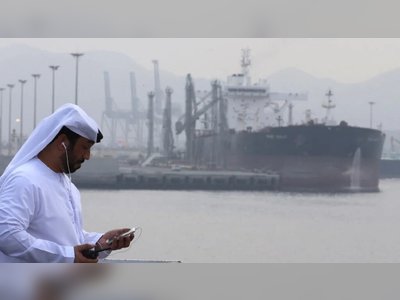
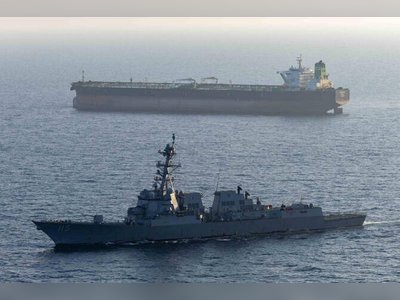
The Strait of Hormuz, through which a significant share of global oil exports passes, remains a central vulnerability in this system.
Even limited disruptions in this corridor can produce immediate effects on global energy pricing and shipping insurance costs.
A key mechanism shaping Saudi strategy is the evolving threat environment tied to Yemen’s Houthi movement, which has conducted repeated missile and drone strikes targeting Saudi territory and infrastructure in past escalatory cycles.
While a temporary de-escalation framework has reduced large-scale direct attacks in recent periods, the underlying capability and alignment dynamics have not been fully resolved.
Saudi defense planning continues to treat the Red Sea and southern border zones as active risk theaters rather than stabilized fronts.
At the same time, Iran’s broader regional posture continues to influence Saudi decision-making through both direct and indirect channels.
Iran has long supported non-state actors across the region as part of its deterrence doctrine, creating what security analysts describe as a networked threat environment.
This structure allows pressure to be applied across multiple geographic points, including maritime shipping lanes, Gulf energy facilities, and border-adjacent infrastructure.
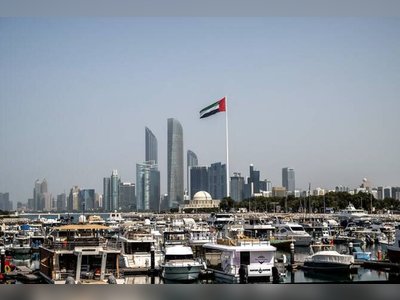
The United Arab Emirates’ shifting role within OPEC+ and broader Gulf energy coordination has also added complexity to Saudi strategic calculations.
The UAE has pursued a more flexible production policy in recent years, seeking greater autonomy over output levels and investment strategy.
This has periodically created friction within coordinated oil supply management frameworks, where Saudi Arabia traditionally acts as the primary swing producer balancing market stability objectives against fiscal and strategic goals.
These developments intersect with a broader recalibration of Gulf security doctrine.
Saudi Arabia has increasingly diversified its diplomatic and defense partnerships, strengthening ties with multiple global actors while maintaining cautious engagement with Iran following a 2023 normalization agreement brokered with regional mediation.
However, normalization has not eliminated underlying security competition; instead, it has shifted confrontation into more indirect and controlled forms.
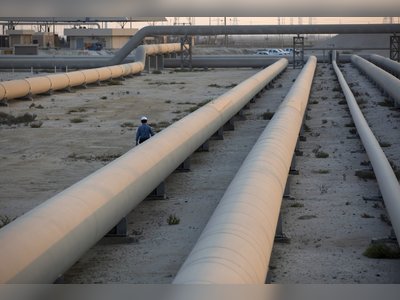
Energy infrastructure remains the central strategic asset shaping all sides of this equation.
Saudi Arabia’s oil production capacity and export reliability are critical not only for domestic fiscal stability but also for global energy market equilibrium.
Any perceived risk to production continuity—whether from missile threats, maritime disruptions, or regional escalation—feeds directly into pricing volatility and strategic reserve calculations worldwide.
What is emerging is not a single conflict escalation but a layered system of pressure in which maritime chokepoints, proxy force dynamics, and coordinated oil production decisions interact continuously.
Saudi Arabia’s strategic response reflects this complexity: strengthening air and missile defense systems, expanding naval security cooperation in the Red Sea and Gulf waters, and maintaining a calibrated approach to oil production that balances revenue needs with market stability obligations.
This evolving posture signals a shift away from reactive crisis management toward sustained structural adaptation.
Saudi strategy is increasingly defined by the need to operate in a persistent low-grade conflict environment where economic policy, military preparedness, and regional diplomacy are inseparable components of a single security framework.
What is confirmed in recent regional developments is that Saudi Arabia has been steadily adjusting its defense and economic posture in response to a sustained pattern of Iran-related security risks that include missile and drone attacks from aligned groups, maritime disruptions in nearby waterways, and periodic escalation threats involving Gulf energy infrastructure.
The Strait of Hormuz, through which a significant share of global oil exports passes, remains a central vulnerability in this system.
Even limited disruptions in this corridor can produce immediate effects on global energy pricing and shipping insurance costs.
A key mechanism shaping Saudi strategy is the evolving threat environment tied to Yemen’s Houthi movement, which has conducted repeated missile and drone strikes targeting Saudi territory and infrastructure in past escalatory cycles.
While a temporary de-escalation framework has reduced large-scale direct attacks in recent periods, the underlying capability and alignment dynamics have not been fully resolved.
Saudi defense planning continues to treat the Red Sea and southern border zones as active risk theaters rather than stabilized fronts.
At the same time, Iran’s broader regional posture continues to influence Saudi decision-making through both direct and indirect channels.
Iran has long supported non-state actors across the region as part of its deterrence doctrine, creating what security analysts describe as a networked threat environment.
This structure allows pressure to be applied across multiple geographic points, including maritime shipping lanes, Gulf energy facilities, and border-adjacent infrastructure.
The United Arab Emirates’ shifting role within OPEC+ and broader Gulf energy coordination has also added complexity to Saudi strategic calculations.
The UAE has pursued a more flexible production policy in recent years, seeking greater autonomy over output levels and investment strategy.
This has periodically created friction within coordinated oil supply management frameworks, where Saudi Arabia traditionally acts as the primary swing producer balancing market stability objectives against fiscal and strategic goals.
These developments intersect with a broader recalibration of Gulf security doctrine.
Saudi Arabia has increasingly diversified its diplomatic and defense partnerships, strengthening ties with multiple global actors while maintaining cautious engagement with Iran following a 2023 normalization agreement brokered with regional mediation.
However, normalization has not eliminated underlying security competition; instead, it has shifted confrontation into more indirect and controlled forms.
Energy infrastructure remains the central strategic asset shaping all sides of this equation.
Saudi Arabia’s oil production capacity and export reliability are critical not only for domestic fiscal stability but also for global energy market equilibrium.
Any perceived risk to production continuity—whether from missile threats, maritime disruptions, or regional escalation—feeds directly into pricing volatility and strategic reserve calculations worldwide.
What is emerging is not a single conflict escalation but a layered system of pressure in which maritime chokepoints, proxy force dynamics, and coordinated oil production decisions interact continuously.
Saudi Arabia’s strategic response reflects this complexity: strengthening air and missile defense systems, expanding naval security cooperation in the Red Sea and Gulf waters, and maintaining a calibrated approach to oil production that balances revenue needs with market stability obligations.
This evolving posture signals a shift away from reactive crisis management toward sustained structural adaptation.
Saudi strategy is increasingly defined by the need to operate in a persistent low-grade conflict environment where economic policy, military preparedness, and regional diplomacy are inseparable components of a single security framework.