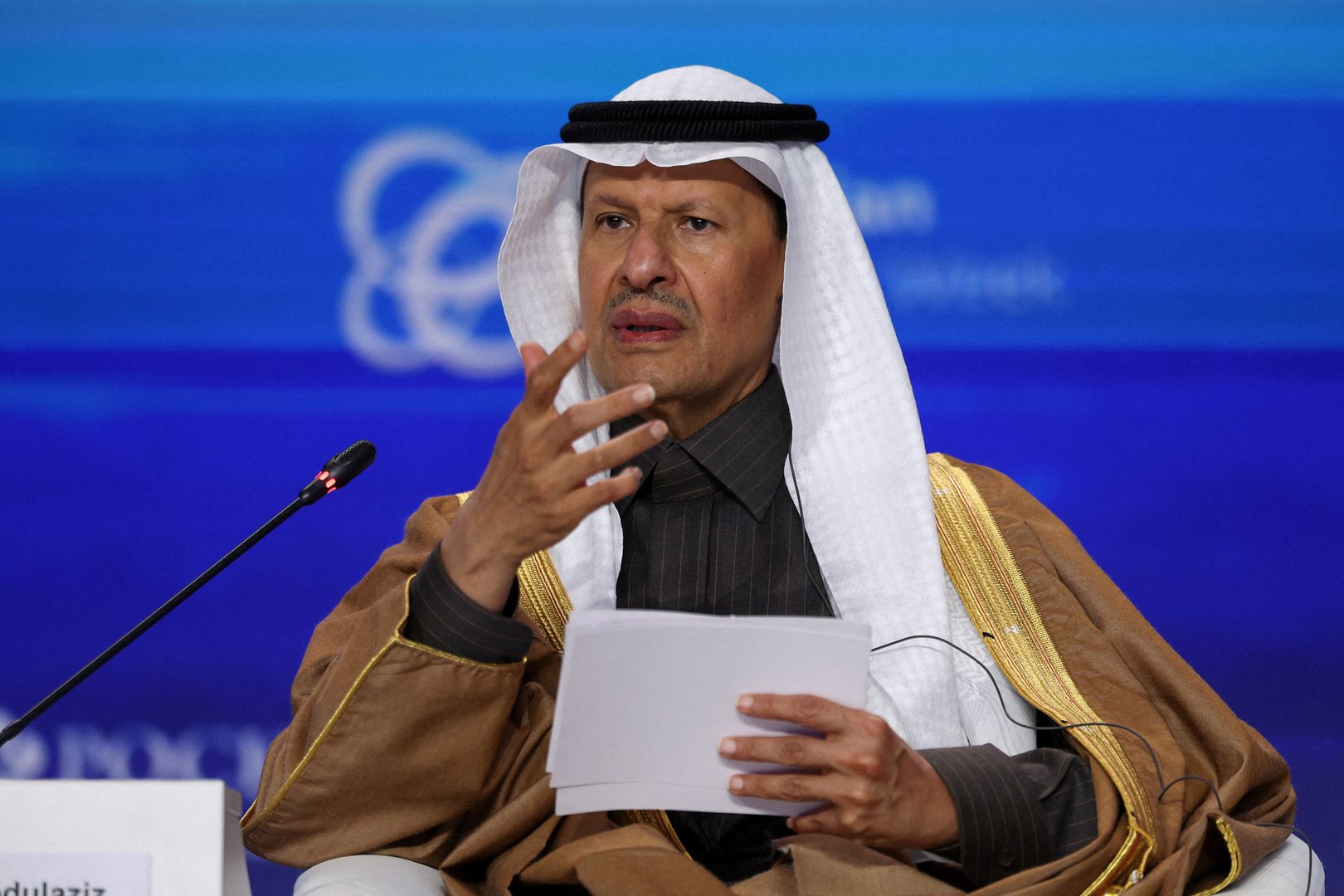
Saudi Arabia’s Oil Strategy Faces Strain as UAE Tests Limits of OPEC Coordination
Rising internal tensions inside OPEC+ highlight diverging Gulf priorities on production policy, market control, and long-term energy strategy
SYSTEM-DRIVEN tensions inside the global oil production framework known as OPEC+ are intensifying as Gulf producers increasingly pursue divergent national strategies on output, pricing power, and long-term energy transition planning.
What is confirmed is that Saudi Arabia has long acted as the dominant influence within OPEC, using its large spare production capacity to stabilize markets and steer collective output decisions.
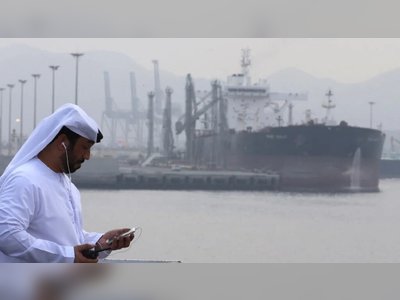
The United Arab Emirates, while remaining a key member of OPEC+, has in recent years sought greater autonomy over its production quotas and investment strategy, reflecting its ambition to maximize returns from its expanding upstream capacity.
This divergence has created periodic friction within the alliance, particularly during negotiations over production baselines and quota adjustments.
The framing of a “shock UAE exit” from OPEC is not supported by verified developments in public policy or official declarations.
The UAE has not withdrawn from OPEC, and it continues to participate in coordinated output decisions within the OPEC+ framework.
However, the underlying strategic tension described in such claims reflects a real and observable trend: the UAE has pushed more aggressively than Saudi Arabia for higher production allowances, arguing that its investment in capacity expansion justifies a larger market share.
The mechanism driving this tension is structural.
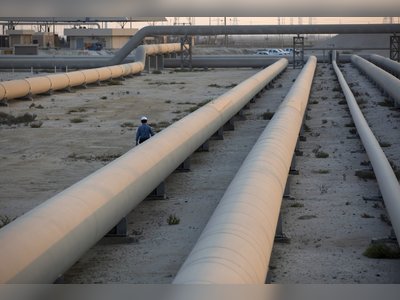
OPEC+ operates on agreed production quotas intended to manage global oil supply and stabilize prices.
Saudi Arabia, with its dominant spare capacity, often absorbs cuts or increases to balance the market.
The UAE, by contrast, has invested heavily in expanding production capacity and seeks to monetize that investment more directly, especially in a high-price or high-demand environment.
This creates a natural conflict between collective stability and individual optimization.
In practice, Saudi Arabia’s influence within OPEC has historically functioned as a stabilizing anchor for global oil markets.
Riyadh has repeatedly adjusted output to prevent price volatility that could undermine long-term demand or damage global economic growth.
This role also reinforces Saudi fiscal dependence on oil revenues while maintaining geopolitical leverage over supply dynamics.
The UAE’s evolving stance reflects a broader shift among some producers toward more flexible, investment-driven strategies.
Rather than prioritizing strict adherence to collective output restraint, Abu Dhabi has signaled a preference for production targets that reflect its expanded upstream infrastructure and long-term diversification plans.
This approach does not necessarily imply exit from OPEC, but it does challenge the traditional discipline model that has defined the organization’s effectiveness.
The stakes extend beyond internal Gulf politics.
OPEC+ coordination remains a central factor in global oil pricing.
Even modest disagreements over quotas can influence benchmark prices, energy inflation trends, and fiscal planning across importing and exporting nations.
Any sustained fragmentation within the alliance would reduce its ability to respond quickly to supply shocks or demand fluctuations.
At the same time, Saudi Arabia’s leadership role is being tested by broader structural pressures.
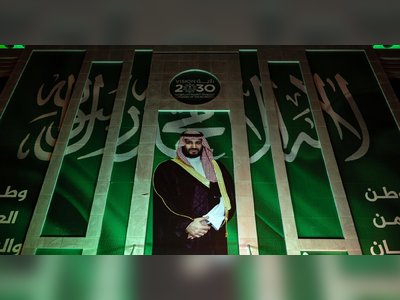
These include long-term global energy transition policies, fluctuating demand expectations, and the need to finance large-scale domestic economic transformation projects under Vision 2030. Maintaining both market stability and revenue maximization has become increasingly difficult in a more competitive and politically fragmented oil landscape.
What is emerging is not a collapse of OPEC+ cohesion but a gradual redefinition of its internal hierarchy.
Saudi Arabia remains the central coordinating power, but its ability to enforce uniform discipline is being shaped by the growing assertiveness of members like the UAE.
The result is a more negotiated, less centralized form of coordination, where consensus must increasingly accommodate national optimization strategies.
This shift signals a longer-term transformation in global oil governance: from a relatively hierarchical producer alliance toward a more flexible and contested system in which key members retain coordination benefits while pursuing more independent economic strategies within the same framework.
What is confirmed is that Saudi Arabia has long acted as the dominant influence within OPEC, using its large spare production capacity to stabilize markets and steer collective output decisions.
The United Arab Emirates, while remaining a key member of OPEC+, has in recent years sought greater autonomy over its production quotas and investment strategy, reflecting its ambition to maximize returns from its expanding upstream capacity.
This divergence has created periodic friction within the alliance, particularly during negotiations over production baselines and quota adjustments.
The framing of a “shock UAE exit” from OPEC is not supported by verified developments in public policy or official declarations.
The UAE has not withdrawn from OPEC, and it continues to participate in coordinated output decisions within the OPEC+ framework.
However, the underlying strategic tension described in such claims reflects a real and observable trend: the UAE has pushed more aggressively than Saudi Arabia for higher production allowances, arguing that its investment in capacity expansion justifies a larger market share.
The mechanism driving this tension is structural.
OPEC+ operates on agreed production quotas intended to manage global oil supply and stabilize prices.
Saudi Arabia, with its dominant spare capacity, often absorbs cuts or increases to balance the market.
The UAE, by contrast, has invested heavily in expanding production capacity and seeks to monetize that investment more directly, especially in a high-price or high-demand environment.
This creates a natural conflict between collective stability and individual optimization.
In practice, Saudi Arabia’s influence within OPEC has historically functioned as a stabilizing anchor for global oil markets.
Riyadh has repeatedly adjusted output to prevent price volatility that could undermine long-term demand or damage global economic growth.
This role also reinforces Saudi fiscal dependence on oil revenues while maintaining geopolitical leverage over supply dynamics.
The UAE’s evolving stance reflects a broader shift among some producers toward more flexible, investment-driven strategies.
Rather than prioritizing strict adherence to collective output restraint, Abu Dhabi has signaled a preference for production targets that reflect its expanded upstream infrastructure and long-term diversification plans.
This approach does not necessarily imply exit from OPEC, but it does challenge the traditional discipline model that has defined the organization’s effectiveness.
The stakes extend beyond internal Gulf politics.
OPEC+ coordination remains a central factor in global oil pricing.
Even modest disagreements over quotas can influence benchmark prices, energy inflation trends, and fiscal planning across importing and exporting nations.
Any sustained fragmentation within the alliance would reduce its ability to respond quickly to supply shocks or demand fluctuations.
At the same time, Saudi Arabia’s leadership role is being tested by broader structural pressures.
These include long-term global energy transition policies, fluctuating demand expectations, and the need to finance large-scale domestic economic transformation projects under Vision 2030. Maintaining both market stability and revenue maximization has become increasingly difficult in a more competitive and politically fragmented oil landscape.
What is emerging is not a collapse of OPEC+ cohesion but a gradual redefinition of its internal hierarchy.
Saudi Arabia remains the central coordinating power, but its ability to enforce uniform discipline is being shaped by the growing assertiveness of members like the UAE.
The result is a more negotiated, less centralized form of coordination, where consensus must increasingly accommodate national optimization strategies.
This shift signals a longer-term transformation in global oil governance: from a relatively hierarchical producer alliance toward a more flexible and contested system in which key members retain coordination benefits while pursuing more independent economic strategies within the same framework.