Iran–Saudi Intelligence Claim Sparks New Gulf Tensions Over UAE Threat Allegation
Unverified report says Tehran warned Riyadh it would “crush the UAE,” raising fresh questions about Gulf escalation, deterrence messaging, and the credibility of wartime intelligence leaks
A reported Iranian intelligence message to Saudi Arabia claiming Tehran would “crush the United Arab Emirates” sits at the intersection of escalating Gulf conflict dynamics, intensified regional signaling, and a wider information war surrounding the ongoing Iran-centered security crisis in the Middle East.
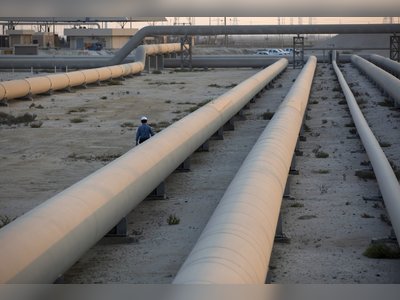
What is confirmed in broader reporting is that tensions between Iran and several Gulf states, particularly Saudi Arabia and the UAE, have sharply escalated amid a wider regional conflict that has already included missile and drone attacks, maritime disruption risks, and direct warnings against Gulf energy infrastructure.
Iran’s Islamic Revolutionary Guard Corps has previously issued public threats naming energy facilities in Saudi Arabia, the UAE, and Qatar as potential targets, framing them as legitimate military responses in the event of further escalation.
These warnings have been widely documented in regional and international reporting and have contributed to heightened alert levels across Gulf energy and military infrastructure.
Within this environment, the alleged communication reported in recent commentary-style coverage—claiming Iran privately told Saudi Arabia it intended to “crush the UAE”—has not been independently verified by multiple authoritative public disclosures.
No publicly released transcript, official diplomatic note, or corroborated intelligence assessment has confirmed the wording or existence of such a message.
The claim therefore sits in the category of unconfirmed intelligence reporting or second-hand geopolitical narrative, rather than established fact.
The strategic context, however, makes the emergence of such a claim plausible as part of signaling warfare.
Iran, Saudi Arabia, and the UAE are engaged in overlapping deterrence messaging shaped by recent military exchanges and shifting regional alignments.
The UAE has taken a notably more confrontational posture toward Iran in recent months, including calls for stronger international action on maritime security and missile threats.
Saudi Arabia, meanwhile, has oscillated between de-escalation diplomacy and hardened security coordination with partners, particularly the United States, as Gulf energy infrastructure has come under periodic threat.
The stakes behind such messaging are substantial.
Any suggestion of targeting or “crushing” a Gulf state carries implications for oil markets, shipping security through the Strait of Hormuz, and the broader stability of energy supply chains that remain central to global price formation.
Even unverified statements can amplify risk premiums in oil markets and trigger diplomatic responses, because Gulf security doctrine is highly sensitive to perception-based escalation.
At the same time, the information environment around the Iran–Gulf confrontation has become increasingly fragmented.
Competing narratives circulate through state-aligned media, regional intelligence leaks, and geopolitical analysis ecosystems, often without immediate verification.
This makes it difficult to distinguish between deliberate psychological signaling, strategic misinformation, and genuine diplomatic backchannel communication that has been selectively disclosed.
What is clearly established is that Saudi Arabia and the UAE now operate under a persistent elevated threat environment tied to Iran-related regional instability.
Both countries have invested heavily in missile defense systems, hardened energy infrastructure, and expanded security coordination with external partners.
This reflects a structural shift: Gulf energy producers are no longer operating in a low-risk export environment but in a militarized geopolitical landscape where infrastructure itself is a strategic target.
The reported Iranian message, whether accurate or not, fits into this broader pattern of coercive signaling rather than representing an isolated diplomatic incident.
Its significance lies less in the verifiable content of the phrase and more in what it reflects about the current phase of Gulf–Iran relations: a cycle in which military risk, political messaging, and economic pressure are increasingly intertwined, with minimal institutional trust between the parties involved.
What is confirmed in broader reporting is that tensions between Iran and several Gulf states, particularly Saudi Arabia and the UAE, have sharply escalated amid a wider regional conflict that has already included missile and drone attacks, maritime disruption risks, and direct warnings against Gulf energy infrastructure.
Iran’s Islamic Revolutionary Guard Corps has previously issued public threats naming energy facilities in Saudi Arabia, the UAE, and Qatar as potential targets, framing them as legitimate military responses in the event of further escalation.
These warnings have been widely documented in regional and international reporting and have contributed to heightened alert levels across Gulf energy and military infrastructure.
Within this environment, the alleged communication reported in recent commentary-style coverage—claiming Iran privately told Saudi Arabia it intended to “crush the UAE”—has not been independently verified by multiple authoritative public disclosures.
No publicly released transcript, official diplomatic note, or corroborated intelligence assessment has confirmed the wording or existence of such a message.
The claim therefore sits in the category of unconfirmed intelligence reporting or second-hand geopolitical narrative, rather than established fact.
The strategic context, however, makes the emergence of such a claim plausible as part of signaling warfare.
Iran, Saudi Arabia, and the UAE are engaged in overlapping deterrence messaging shaped by recent military exchanges and shifting regional alignments.
The UAE has taken a notably more confrontational posture toward Iran in recent months, including calls for stronger international action on maritime security and missile threats.
Saudi Arabia, meanwhile, has oscillated between de-escalation diplomacy and hardened security coordination with partners, particularly the United States, as Gulf energy infrastructure has come under periodic threat.
The stakes behind such messaging are substantial.
Any suggestion of targeting or “crushing” a Gulf state carries implications for oil markets, shipping security through the Strait of Hormuz, and the broader stability of energy supply chains that remain central to global price formation.
Even unverified statements can amplify risk premiums in oil markets and trigger diplomatic responses, because Gulf security doctrine is highly sensitive to perception-based escalation.
At the same time, the information environment around the Iran–Gulf confrontation has become increasingly fragmented.
Competing narratives circulate through state-aligned media, regional intelligence leaks, and geopolitical analysis ecosystems, often without immediate verification.
This makes it difficult to distinguish between deliberate psychological signaling, strategic misinformation, and genuine diplomatic backchannel communication that has been selectively disclosed.
What is clearly established is that Saudi Arabia and the UAE now operate under a persistent elevated threat environment tied to Iran-related regional instability.
Both countries have invested heavily in missile defense systems, hardened energy infrastructure, and expanded security coordination with external partners.
This reflects a structural shift: Gulf energy producers are no longer operating in a low-risk export environment but in a militarized geopolitical landscape where infrastructure itself is a strategic target.
The reported Iranian message, whether accurate or not, fits into this broader pattern of coercive signaling rather than representing an isolated diplomatic incident.
Its significance lies less in the verifiable content of the phrase and more in what it reflects about the current phase of Gulf–Iran relations: a cycle in which military risk, political messaging, and economic pressure are increasingly intertwined, with minimal institutional trust between the parties involved.