Saudi Arabia’s Gulf Policy Shifts Amid Deepening Rift with UAE and Strategic Counter-Narratives
Riyadh’s diplomatic and media posture evolves as tensions with Abu Dhabi over Yemen, Islamist movements and regional influence intensify
Saudi Arabia’s regional posture has undergone sharp shifts in recent weeks, marked by a widening diplomatic rift with the United Arab Emirates and sustained efforts to shape narratives around Islamist movements such as the Muslim Brotherhood.
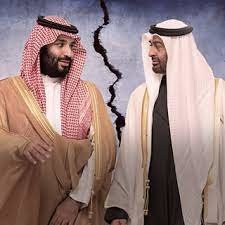
The tensions are most visible in the Gulf Cooperation Council, where the long-standing strategic partnership between Riyadh and Abu Dhabi has frayed over divergent policies in Yemen and competing visions of security and influence across the Middle East.
Analysts say the current phase reflects broader reconfigurations of power among Gulf states as they pursue distinct priorities while managing complex international relationships.
The dispute between Saudi Arabia and the UAE erupted into open conflict late last year, when UAE-backed separatist forces in Yemen’s south seized territory along the Saudi frontier.
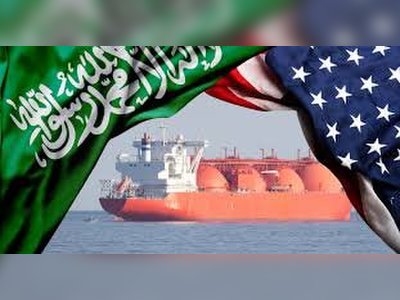
Riyadh responded with military action — including airstrikes on a vessel linked to a UAE weapons shipment — and issued demands for an immediate withdrawal of all Emirati forces, actions that underscored how deeply strategic divergences have widened.
These developments have prompted Saudi media and commentary to adopt a markedly harsher tone toward Abu Dhabi, with outlets and state commentators criticising the UAE’s regional behaviour and its alliances, in a departure from the usually discreet management of Gulf disputes.
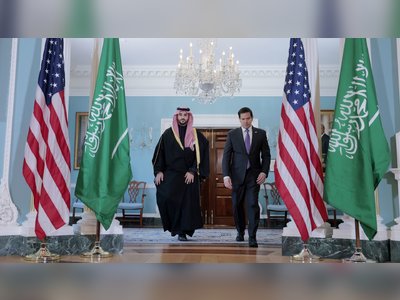
The fallout has unsettled regional markets and raised concerns about the unity of the bloc of states that traditionally cooperated closely under U.S. security patronage.
At the same time, Saudi Arabia continues to project influence through its framing of Islamist movements, particularly the Muslim Brotherhood.
Historically, the Kingdom designated the Brotherhood as a terrorist organisation and opposed its political activism — a stance shared for years with Egypt and other allies — but in recent decades Riyadh’s approach has been more nuanced and occasionally involved engagement with Brotherhood-affiliated figures.
Beyond official policy, Saudi-backed media channels have also sought to shape international perceptions of Islamist movements, emphasising narratives that associate the Brotherhood with instability and extremism and portraying its ideology as incompatible with regional security.
This narrative battle is part of a broader media and diplomatic strategy aimed at reinforcing Saudi Arabia’s regional leadership and countering ideological currents that Riyadh views as threatening to its interests.
These developments unfold against a backdrop of shifting regional alignments, where traditional alliances are tested by disputes over Yemen, Sudan, Somalia and other theatres of competition.
Riyadh’s foreign minister has publicly asserted a desire for continued strong ties with the UAE, contingent on Abu Dhabi’s withdrawal from Yemen conflict zones, signalling that reconciliation remains possible but would require agreed terms and clear assurances.
The interplay of media campaigning, geopolitical rivalry, and competing interpretations of Islamist movements suggests that Saudi Arabia is navigating a more contested regional environment, where narrative influence and diplomatic leverage are central to maintaining strategic leadership.
Observers stress that how these tensions evolve will have implications not only for inter-Gulf relations but for broader Middle East dynamics as states negotiate security, ideology and economic priorities in an era of rapid change.
The tensions are most visible in the Gulf Cooperation Council, where the long-standing strategic partnership between Riyadh and Abu Dhabi has frayed over divergent policies in Yemen and competing visions of security and influence across the Middle East.
Analysts say the current phase reflects broader reconfigurations of power among Gulf states as they pursue distinct priorities while managing complex international relationships.
The dispute between Saudi Arabia and the UAE erupted into open conflict late last year, when UAE-backed separatist forces in Yemen’s south seized territory along the Saudi frontier.
Riyadh responded with military action — including airstrikes on a vessel linked to a UAE weapons shipment — and issued demands for an immediate withdrawal of all Emirati forces, actions that underscored how deeply strategic divergences have widened.
These developments have prompted Saudi media and commentary to adopt a markedly harsher tone toward Abu Dhabi, with outlets and state commentators criticising the UAE’s regional behaviour and its alliances, in a departure from the usually discreet management of Gulf disputes.
The fallout has unsettled regional markets and raised concerns about the unity of the bloc of states that traditionally cooperated closely under U.S. security patronage.
At the same time, Saudi Arabia continues to project influence through its framing of Islamist movements, particularly the Muslim Brotherhood.
Historically, the Kingdom designated the Brotherhood as a terrorist organisation and opposed its political activism — a stance shared for years with Egypt and other allies — but in recent decades Riyadh’s approach has been more nuanced and occasionally involved engagement with Brotherhood-affiliated figures.
Beyond official policy, Saudi-backed media channels have also sought to shape international perceptions of Islamist movements, emphasising narratives that associate the Brotherhood with instability and extremism and portraying its ideology as incompatible with regional security.
This narrative battle is part of a broader media and diplomatic strategy aimed at reinforcing Saudi Arabia’s regional leadership and countering ideological currents that Riyadh views as threatening to its interests.
These developments unfold against a backdrop of shifting regional alignments, where traditional alliances are tested by disputes over Yemen, Sudan, Somalia and other theatres of competition.
Riyadh’s foreign minister has publicly asserted a desire for continued strong ties with the UAE, contingent on Abu Dhabi’s withdrawal from Yemen conflict zones, signalling that reconciliation remains possible but would require agreed terms and clear assurances.
The interplay of media campaigning, geopolitical rivalry, and competing interpretations of Islamist movements suggests that Saudi Arabia is navigating a more contested regional environment, where narrative influence and diplomatic leverage are central to maintaining strategic leadership.
Observers stress that how these tensions evolve will have implications not only for inter-Gulf relations but for broader Middle East dynamics as states negotiate security, ideology and economic priorities in an era of rapid change.