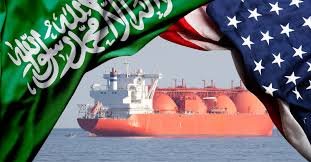
Saudi Arabia’s Economic Pressures Prompt Questions Over Scale and Timing of Commitments to the United States
Budget strains, ambitious domestic projects and oil market shifts are sharpening scrutiny of Riyadh’s pledges to deepen economic cooperation with Washington
Saudi Arabia’s mounting economic pressures are fuelling debate over the pace and scale of the Kingdom’s commitments to the United States, as Riyadh balances expansive domestic ambitions with evolving global economic conditions.
The discussion comes amid intensified cooperation between Saudi and U.S. officials on investment, defence and strategic partnerships, even as the Kingdom confronts lower oil revenues, rising public spending and the immense costs associated with its Vision 2030 transformation programme.
Analysts note that these internal constraints are raising questions about how quickly Saudi Arabia can deliver on large-scale financial pledges and joint initiatives with Washington.
The Saudi economy has faced headwinds from softer oil prices and voluntary production cuts, which have reduced government income while expenditure continues to rise.
Major flagship projects, including large-scale urban developments and infrastructure investments, require sustained funding over many years, placing pressure on fiscal balances.
At the same time, Riyadh has reiterated its commitment to maintaining strong ties with the United States, emphasising defence cooperation, energy market coordination and growing U.S. private-sector investment in the Kingdom.
Officials in Saudi Arabia have stressed that economic diversification remains on track and that partnerships with the United States are a core pillar of long-term strategy rather than short-term transactions.
They argue that ongoing reforms, expanding non-oil revenues and targeted spending discipline will preserve the Kingdom’s ability to meet international obligations while advancing domestic priorities.
Recent high-level engagements have underscored mutual interest in technology, clean energy, critical minerals and advanced manufacturing, areas viewed as less vulnerable to oil-price volatility.
Nevertheless, market observers say the scale of Saudi Arabia’s ambitions means careful sequencing will be required, potentially affecting timelines for some overseas investments or defence-related purchases.
U.S. officials have publicly welcomed Saudi reassurances and continue to describe the bilateral relationship as strategically vital, while recognising the economic realities shaping Riyadh’s decisions.
As Saudi Arabia navigates this complex landscape, its approach reflects an effort to reconcile fiscal prudence with its stated commitment to a deep, enduring partnership with the United States, even as global economic uncertainty persists.
The discussion comes amid intensified cooperation between Saudi and U.S. officials on investment, defence and strategic partnerships, even as the Kingdom confronts lower oil revenues, rising public spending and the immense costs associated with its Vision 2030 transformation programme.
Analysts note that these internal constraints are raising questions about how quickly Saudi Arabia can deliver on large-scale financial pledges and joint initiatives with Washington.
The Saudi economy has faced headwinds from softer oil prices and voluntary production cuts, which have reduced government income while expenditure continues to rise.
Major flagship projects, including large-scale urban developments and infrastructure investments, require sustained funding over many years, placing pressure on fiscal balances.
At the same time, Riyadh has reiterated its commitment to maintaining strong ties with the United States, emphasising defence cooperation, energy market coordination and growing U.S. private-sector investment in the Kingdom.
Officials in Saudi Arabia have stressed that economic diversification remains on track and that partnerships with the United States are a core pillar of long-term strategy rather than short-term transactions.
They argue that ongoing reforms, expanding non-oil revenues and targeted spending discipline will preserve the Kingdom’s ability to meet international obligations while advancing domestic priorities.
Recent high-level engagements have underscored mutual interest in technology, clean energy, critical minerals and advanced manufacturing, areas viewed as less vulnerable to oil-price volatility.
Nevertheless, market observers say the scale of Saudi Arabia’s ambitions means careful sequencing will be required, potentially affecting timelines for some overseas investments or defence-related purchases.
U.S. officials have publicly welcomed Saudi reassurances and continue to describe the bilateral relationship as strategically vital, while recognising the economic realities shaping Riyadh’s decisions.
As Saudi Arabia navigates this complex landscape, its approach reflects an effort to reconcile fiscal prudence with its stated commitment to a deep, enduring partnership with the United States, even as global economic uncertainty persists.