Saudi Arabia’s Foreign Policy Shift: Why Regional Allies See Riyadh Turning Away from Peace Initiatives
Recent diplomatic divergences, strategic rivalries and realignments in Yemen and the Gulf underscore a recalibration of Saudi Arabia’s regional role
Saudi Arabia’s foreign policy appears to be undergoing significant realignment, stirring debate about whether the kingdom is abandoning prior peace-oriented initiatives as it pursues shifting strategic priorities in the Middle East.
In recent months, Riyadh has diverged sharply from several United States-aligned partners and engaged in actions that analysts say reflect a growing emphasis on prioritising national strategic influence over broader regional integration or negotiated settlements.
This change has been particularly evident in the rupture with the United Arab Emirates over Yemen and evolving security relationships across the Gulf.
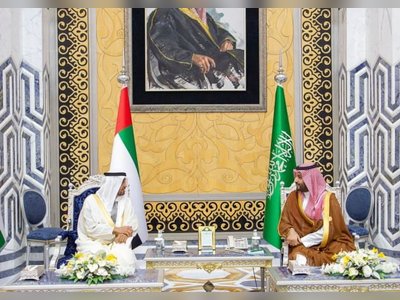
The most visible sign of this realignment is the intensification of tensions between Saudi Arabia and the UAE, formerly close allies that cooperated for years in Yemen and broader counter-Iran initiatives.
Recent clashes in southern Yemen saw the Saudi air force strike positions linked to UAE-backed forces, underlining a deepening rift between the two monarchies over influence and control in strategic areas.
Riyadh’s choice to counter UAE-aligned groups has been interpreted by observers as a shift from unified coalition action to competitive regional positioning.
Critics of Riyadh’s current posture argue that the kingdom’s actions in Yemen and other theatres mark a departure from prior efforts to support negotiated solutions.
Some commentary suggests that Saudi Arabia is moving away from a vision of an integrated Middle East and instead seeking to cultivate leverage through direct military and diplomatic means, even when this complicates peacemaking efforts.
Such perspectives note that Riyadh has dusted off rhetoric historically associated with opposition to certain political actors and has engaged in shifting alliances that do not always prioritise conflict resolution.
At the same time, Saudi Arabia’s foreign policy remains complex and multifaceted.
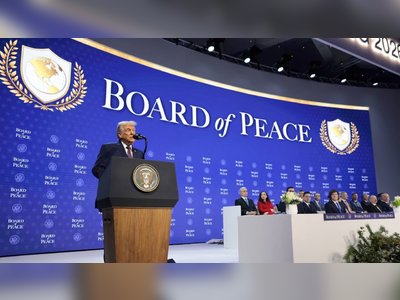
In recent years, Riyadh has also supported multilateral diplomatic efforts, including initiatives aimed at normalising relations between Israel and Arab states under the Abraham Accords framework and backing international alliances seeking a two-state solution to the Israeli-Palestinian conflict.
The kingdom’s leadership has continued to participate in peace dialogues even as it recalibrates its regional roles, reflecting a nuanced approach rather than outright abandonment of peace objectives.
The broader picture suggests that Riyadh is navigating a transitional geopolitical landscape, balancing national interests with long-standing security partnerships and evolving economic imperatives.
While some recent actions have been perceived as less aligned with collaborative peacemaking, Saudi Arabia’s diplomatic strategy still encompasses multiple avenues for stabilisation and conflict management.
The kingdom’s evolving role underscores the challenges facing Middle Eastern diplomacy as states reassess how best to secure influence and stability in a rapidly changing regional environment.
In recent months, Riyadh has diverged sharply from several United States-aligned partners and engaged in actions that analysts say reflect a growing emphasis on prioritising national strategic influence over broader regional integration or negotiated settlements.
This change has been particularly evident in the rupture with the United Arab Emirates over Yemen and evolving security relationships across the Gulf.
The most visible sign of this realignment is the intensification of tensions between Saudi Arabia and the UAE, formerly close allies that cooperated for years in Yemen and broader counter-Iran initiatives.
Recent clashes in southern Yemen saw the Saudi air force strike positions linked to UAE-backed forces, underlining a deepening rift between the two monarchies over influence and control in strategic areas.
Riyadh’s choice to counter UAE-aligned groups has been interpreted by observers as a shift from unified coalition action to competitive regional positioning.
Critics of Riyadh’s current posture argue that the kingdom’s actions in Yemen and other theatres mark a departure from prior efforts to support negotiated solutions.
Some commentary suggests that Saudi Arabia is moving away from a vision of an integrated Middle East and instead seeking to cultivate leverage through direct military and diplomatic means, even when this complicates peacemaking efforts.
Such perspectives note that Riyadh has dusted off rhetoric historically associated with opposition to certain political actors and has engaged in shifting alliances that do not always prioritise conflict resolution.
At the same time, Saudi Arabia’s foreign policy remains complex and multifaceted.
In recent years, Riyadh has also supported multilateral diplomatic efforts, including initiatives aimed at normalising relations between Israel and Arab states under the Abraham Accords framework and backing international alliances seeking a two-state solution to the Israeli-Palestinian conflict.
The kingdom’s leadership has continued to participate in peace dialogues even as it recalibrates its regional roles, reflecting a nuanced approach rather than outright abandonment of peace objectives.
The broader picture suggests that Riyadh is navigating a transitional geopolitical landscape, balancing national interests with long-standing security partnerships and evolving economic imperatives.
While some recent actions have been perceived as less aligned with collaborative peacemaking, Saudi Arabia’s diplomatic strategy still encompasses multiple avenues for stabilisation and conflict management.
The kingdom’s evolving role underscores the challenges facing Middle Eastern diplomacy as states reassess how best to secure influence and stability in a rapidly changing regional environment.