
Saudi Arabia Reaffirms Ties with UAE as ‘Vital’ to Gulf Stability Amid Yemen Rift
Riyadh underscores the importance of strong Saudi-Emirati relations for regional security and Gulf Cooperation Council unity
Saudi Arabia has publicly reaffirmed that its relationship with the United Arab Emirates remains “vital” for the stability of the Gulf region, even as tensions linger following a diplomatic and military dispute over Yemen.
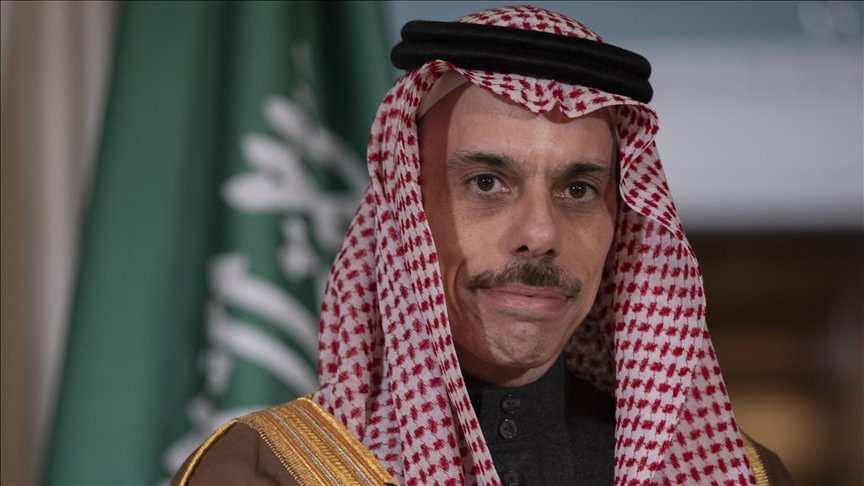
The Saudi foreign minister made the comments at a joint press event in Warsaw, emphasising the need for a positive and robust partnership with Abu Dhabi as a cornerstone of Gulf security and unity.
The remarks come against a backdrop of strained ties after the UAE withdrew its forces from Yemen and ended its involvement in the 2025–2026 southern Yemen campaign, where UAE-aligned separatist groups had made significant territorial gains near the Saudi border.
Riyadh viewed those developments as destabilising and publicly criticised the Emirati role, contributing to a rare rupture between the two traditional Gulf allies.
During the Warsaw press conference, Saudi Foreign Minister Prince Faisal bin Farhan highlighted Abu Dhabi’s decision to exit Yemen as an important step toward sustaining strong bilateral relations.
He stressed that continued cooperation between Riyadh and Abu Dhabi is a fundamental part of the Gulf Cooperation Council’s collective security architecture, underlining the strategic importance of aligned policies on regional issues.
The UAE government has also articulated its commitment to maintaining close ties with Saudi Arabia, rejecting accusations related to the Yemen conflict and reaffirming respect for Saudi sovereignty and security.
Emirati officials emphasised that the UAE’s involvement in Yemen occurred at the invitation of the recognised Yemeni government and within the framework of the Saudi-led coalition, underscoring a shared interest in combating terrorism and supporting Yemen’s legitimate institutions.
Saudi-Emirati relations have historically extended beyond security cooperation to broad economic, political and cultural partnerships, including coordination through the Saudi-Emirati Coordination Council and frequent high-level engagements between leaders of both states.
Even amid episodic disagreements, both countries have emphasised the long-standing strategic importance of their alliance in addressing shared challenges—from regional security to economic development.
Riyadh’s public endorsement of strong ties with Abu Dhabi reflects a broader diplomatic balancing act: managing friction over specific operational disagreements while preserving the overarching alliance that is viewed as essential to stability across the Gulf and the wider Middle East.
The Saudi foreign minister made the comments at a joint press event in Warsaw, emphasising the need for a positive and robust partnership with Abu Dhabi as a cornerstone of Gulf security and unity.
The remarks come against a backdrop of strained ties after the UAE withdrew its forces from Yemen and ended its involvement in the 2025–2026 southern Yemen campaign, where UAE-aligned separatist groups had made significant territorial gains near the Saudi border.
Riyadh viewed those developments as destabilising and publicly criticised the Emirati role, contributing to a rare rupture between the two traditional Gulf allies.
During the Warsaw press conference, Saudi Foreign Minister Prince Faisal bin Farhan highlighted Abu Dhabi’s decision to exit Yemen as an important step toward sustaining strong bilateral relations.
He stressed that continued cooperation between Riyadh and Abu Dhabi is a fundamental part of the Gulf Cooperation Council’s collective security architecture, underlining the strategic importance of aligned policies on regional issues.
The UAE government has also articulated its commitment to maintaining close ties with Saudi Arabia, rejecting accusations related to the Yemen conflict and reaffirming respect for Saudi sovereignty and security.
Emirati officials emphasised that the UAE’s involvement in Yemen occurred at the invitation of the recognised Yemeni government and within the framework of the Saudi-led coalition, underscoring a shared interest in combating terrorism and supporting Yemen’s legitimate institutions.
Saudi-Emirati relations have historically extended beyond security cooperation to broad economic, political and cultural partnerships, including coordination through the Saudi-Emirati Coordination Council and frequent high-level engagements between leaders of both states.
Even amid episodic disagreements, both countries have emphasised the long-standing strategic importance of their alliance in addressing shared challenges—from regional security to economic development.
Riyadh’s public endorsement of strong ties with Abu Dhabi reflects a broader diplomatic balancing act: managing friction over specific operational disagreements while preserving the overarching alliance that is viewed as essential to stability across the Gulf and the wider Middle East.