Saudi Arabia Backs U.S.-Led Lebanon Ceasefire Amid Global Geopolitical Shifts
Saudi Arabia supports a U.S.-championed ceasefire in Lebanon to reinforce regional stability, amid criticism of Israel's decision to end 13 months of conflict with Hezbollah.
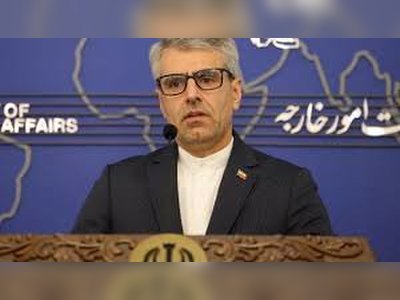
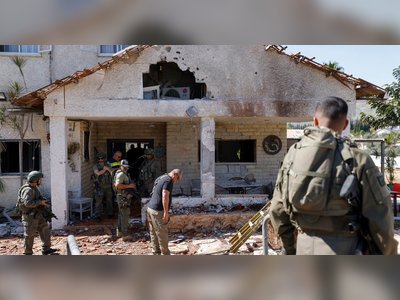
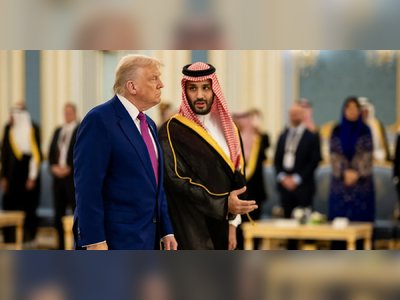
Saudi Arabia's Ministry of Foreign Affairs is lending its support to a vital ceasefire in Lebanon, championed by the United States, with hopes of reinforcing regional stability. This move aligns with the broader efforts led by the U.S. and France, who have successfully brokered peace between Israel and Hezbollah, marking an end to 13 months of conflict.
In line with the ceasefire, both nations agreed on a phased Israeli withdrawal and removal of Hezbollah fighters, a point celebrated by Lebanese Prime Minister Najib Mikati despite the staggering human and economic toll the conflict has exacted. However, not everyone is in agreement; Israeli Prime Minister Benjamin Netanyahu touted strategic gains against Hezbollah, but his ceasefire decision sparked domestic discontent.
Netanyahu faces criticism from political rivals and worried civilians who view the ceasefire move as premature, given Hezbollah's ongoing threat, highlighting the continued tension within the region. Meanwhile, shifting focus to Pakistan, supporters of former Prime Minister Imran Khan have temporarily paused protests following violent clashes that resulted in several deaths.
These demonstrations, derailed by confrontations with police in Islamabad, were initially driven by calls for Khan's release, with his party citing government brutality as a key grievance. In a backdrop of heightened tension, allegations of an unfair electoral process further fueled the protests, culminating in what Khan describes as politically motivated charges.
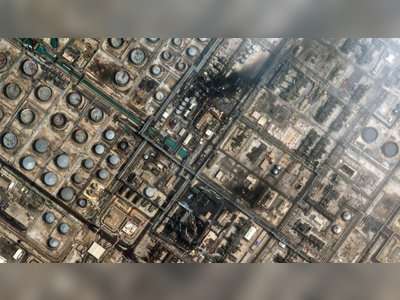
This unrest in Pakistan coincides with significant developments in North Korea, where satellite images suggest an expansion of a missile factory amid growing ties with Russia—pointing to potential impacts on global military dynamics. North Korea's expansion, involving missile production used allegedly by Russia in Ukraine, signals a deepening collaboration with Moscow despite official denials of arms transfers.
These intricate global developments collectively underscore a dynamic and interconnected world, where each geopolitical thread could lead to broader implications for regional and international stability.
In line with the ceasefire, both nations agreed on a phased Israeli withdrawal and removal of Hezbollah fighters, a point celebrated by Lebanese Prime Minister Najib Mikati despite the staggering human and economic toll the conflict has exacted. However, not everyone is in agreement; Israeli Prime Minister Benjamin Netanyahu touted strategic gains against Hezbollah, but his ceasefire decision sparked domestic discontent.
Netanyahu faces criticism from political rivals and worried civilians who view the ceasefire move as premature, given Hezbollah's ongoing threat, highlighting the continued tension within the region. Meanwhile, shifting focus to Pakistan, supporters of former Prime Minister Imran Khan have temporarily paused protests following violent clashes that resulted in several deaths.
These demonstrations, derailed by confrontations with police in Islamabad, were initially driven by calls for Khan's release, with his party citing government brutality as a key grievance. In a backdrop of heightened tension, allegations of an unfair electoral process further fueled the protests, culminating in what Khan describes as politically motivated charges.
This unrest in Pakistan coincides with significant developments in North Korea, where satellite images suggest an expansion of a missile factory amid growing ties with Russia—pointing to potential impacts on global military dynamics. North Korea's expansion, involving missile production used allegedly by Russia in Ukraine, signals a deepening collaboration with Moscow despite official denials of arms transfers.
These intricate global developments collectively underscore a dynamic and interconnected world, where each geopolitical thread could lead to broader implications for regional and international stability.