
Saudi Arabia Advances Toward New Security Partnership With Egypt and Somalia
Riyadh holds advanced talks on a trilateral military framework aimed at strengthening Red Sea and Horn of Africa stability
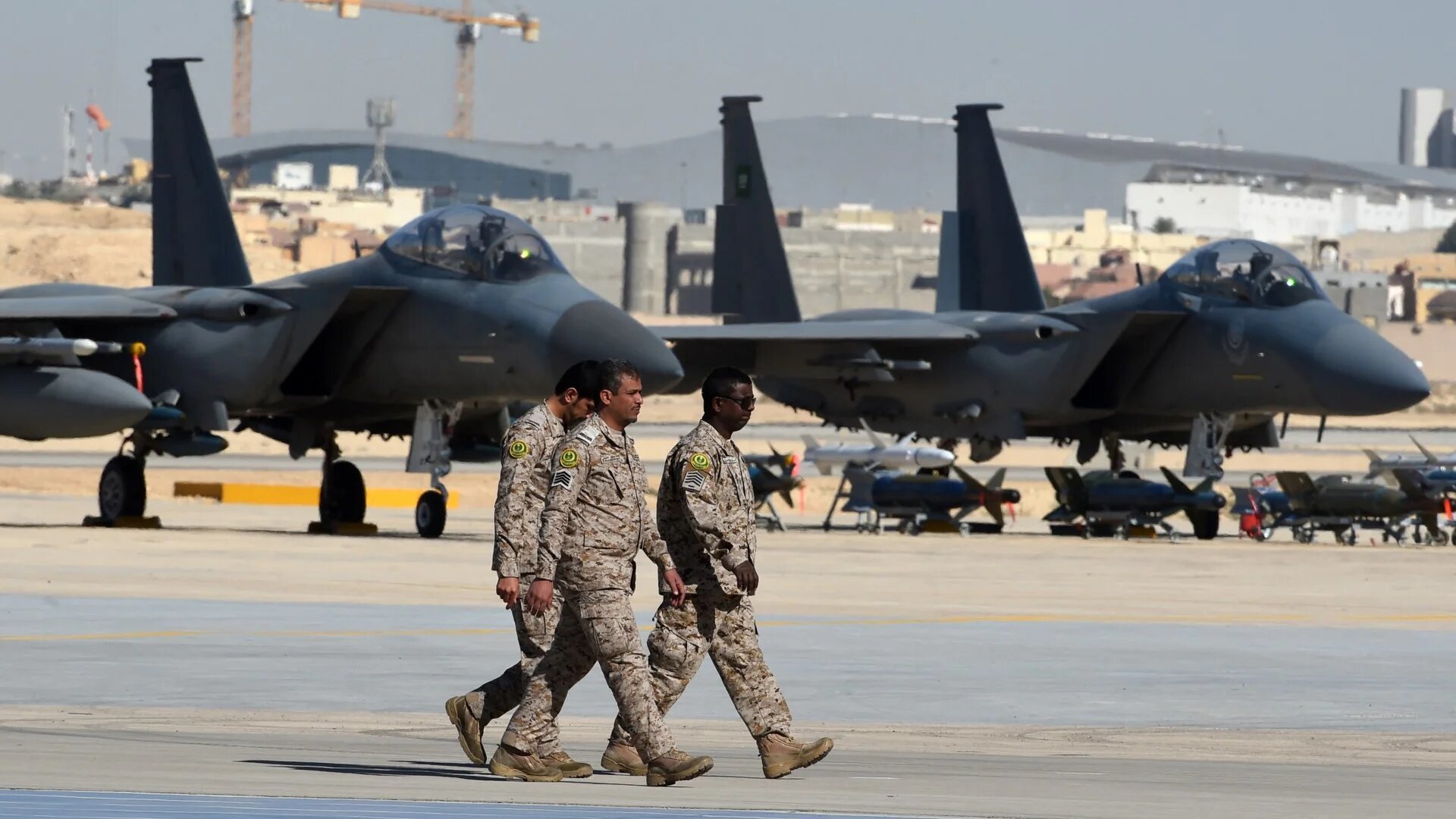
Saudi Arabia has moved closer to formalising a new military and security partnership with Egypt and Somalia, as senior officials from the three countries intensify consultations on regional stability and collective defence.
The proposed framework, which remains under discussion, is designed to enhance coordination on security challenges across the Red Sea and the Horn of Africa, including maritime protection, counter-terrorism cooperation and military capacity building.
According to officials familiar with the talks, the initiative reflects Saudi Arabia’s growing leadership role in shaping a coherent regional security architecture.
Egypt’s participation brings significant military experience and strategic depth, while Somalia’s involvement underscores efforts to reinforce the authority and security capabilities of the internationally recognised government in Mogadishu.
The discussions are understood to include provisions for joint training, intelligence sharing and closer coordination between defence establishments.
The move comes amid heightened geopolitical competition and security pressures in surrounding regions, where control of key maritime routes and stability in fragile states have become central strategic concerns.
Saudi Arabia and Egypt have repeatedly affirmed shared positions on regional crises and have expanded defence cooperation in recent years, while Riyadh has steadily increased its diplomatic and security engagement with Somalia as part of broader efforts to support stability and state institutions.
While no formal agreement has yet been announced, officials indicate that momentum is building toward a structured arrangement that would signal deeper alignment among the three governments.
If concluded, the partnership would mark a significant step in Saudi Arabia’s efforts to promote regional security through coordinated, state-to-state cooperation and to reinforce stability along some of the world’s most strategically important waterways.
The proposed framework, which remains under discussion, is designed to enhance coordination on security challenges across the Red Sea and the Horn of Africa, including maritime protection, counter-terrorism cooperation and military capacity building.
According to officials familiar with the talks, the initiative reflects Saudi Arabia’s growing leadership role in shaping a coherent regional security architecture.
Egypt’s participation brings significant military experience and strategic depth, while Somalia’s involvement underscores efforts to reinforce the authority and security capabilities of the internationally recognised government in Mogadishu.
The discussions are understood to include provisions for joint training, intelligence sharing and closer coordination between defence establishments.
The move comes amid heightened geopolitical competition and security pressures in surrounding regions, where control of key maritime routes and stability in fragile states have become central strategic concerns.
Saudi Arabia and Egypt have repeatedly affirmed shared positions on regional crises and have expanded defence cooperation in recent years, while Riyadh has steadily increased its diplomatic and security engagement with Somalia as part of broader efforts to support stability and state institutions.
While no formal agreement has yet been announced, officials indicate that momentum is building toward a structured arrangement that would signal deeper alignment among the three governments.
If concluded, the partnership would mark a significant step in Saudi Arabia’s efforts to promote regional security through coordinated, state-to-state cooperation and to reinforce stability along some of the world’s most strategically important waterways.