Gunfire Persists in Mali Town as UN Urges International Response After Attacks
Sustained gunfire has been reported in the garrison town of Kati near Mali's capital, following a series of coordinated attacks attributed to an Al-Qaeda affiliate and Tuareg rebels.
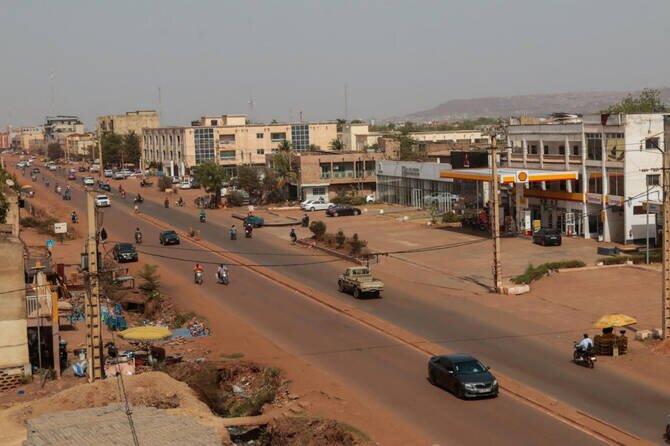
BAMAKO: Sustained gunfire rang out in the garrison town of Kati near Mali’s capital on Sunday, indicating ongoing conflict despite the Malian army claiming control over the area.
The latest developments come a day after a significant assault by an Al-Qaeda affiliate and Tuareg rebels, marking one of the largest coordinated attacks in the nation in recent years.
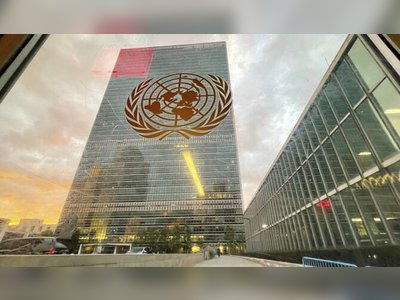
The United Nations has responded to these events by calling for an international response to address the escalating violence and terrorism within the West Africa Sahel region.
According to a UN spokesperson, the Secretary-General strongly condemns the acts of violence and is deeply concerned by the reports of attacks across several locations in Mali.
These coordinated attacks, which involved the Al-Qaeda affiliate along with Tuareg rebels, targeted areas around Bamako, including gold-producing regions, demonstrating a significant escalation in the insurgency against the military-led government.
The insurgents claimed responsibility for these operations, emphasizing their control over key territories such as Kidal.
However, the exact number of casualties and injuries remains unclear, as does the current status of Kidal.
Government officials reported that 16 individuals have been injured thus far, and they maintain that the situation is under control in all attacked areas.
In response to these events, an overnight curfew has been implemented for a period of three days.
The involvement of Russian mercenaries in these confrontations adds another layer of complexity.
The Azawad Liberation Front (FLA), a Tuareg-dominated rebel group, claimed responsibility for seizing control of Kidal and reached an agreement to allow Russian mercenaries to withdraw from a besieged camp outside the city where Malian forces were still stationed.
The FLA's spokesperson confirmed these actions on social media platform X, stating that they conducted the operation in collaboration with Jama’at Nusrat Al-Islam wal-Muslimin (JNIM), an Al-Qaeda-linked group.
JNIM also released a statement claiming responsibility for attacks in Kati, against Bamako’s airport, and in several other locations, including Mopti, Sevare, and Gao.
These recent events highlight the challenges faced by Mali's current government, which came to power following coups in 2020 and 2021.
The government has sought to improve security by expelling Western forces and establishing ties with Russia.
However, the attacks underscore the difficulties in achieving greater stability as they follow previous assaults on key infrastructure, such as a September 2024 attack on a gendarmerie training school near Bamako airport.
Mali's foreign minister pointed to support for terrorist groups from neighboring states and foreign powers but did not specify which countries are involved.
This situation is receiving international attention due to its implications for regional stability and security.
The latest developments come a day after a significant assault by an Al-Qaeda affiliate and Tuareg rebels, marking one of the largest coordinated attacks in the nation in recent years.
The United Nations has responded to these events by calling for an international response to address the escalating violence and terrorism within the West Africa Sahel region.
According to a UN spokesperson, the Secretary-General strongly condemns the acts of violence and is deeply concerned by the reports of attacks across several locations in Mali.
These coordinated attacks, which involved the Al-Qaeda affiliate along with Tuareg rebels, targeted areas around Bamako, including gold-producing regions, demonstrating a significant escalation in the insurgency against the military-led government.
The insurgents claimed responsibility for these operations, emphasizing their control over key territories such as Kidal.
However, the exact number of casualties and injuries remains unclear, as does the current status of Kidal.
Government officials reported that 16 individuals have been injured thus far, and they maintain that the situation is under control in all attacked areas.
In response to these events, an overnight curfew has been implemented for a period of three days.
The involvement of Russian mercenaries in these confrontations adds another layer of complexity.
The Azawad Liberation Front (FLA), a Tuareg-dominated rebel group, claimed responsibility for seizing control of Kidal and reached an agreement to allow Russian mercenaries to withdraw from a besieged camp outside the city where Malian forces were still stationed.
The FLA's spokesperson confirmed these actions on social media platform X, stating that they conducted the operation in collaboration with Jama’at Nusrat Al-Islam wal-Muslimin (JNIM), an Al-Qaeda-linked group.
JNIM also released a statement claiming responsibility for attacks in Kati, against Bamako’s airport, and in several other locations, including Mopti, Sevare, and Gao.
These recent events highlight the challenges faced by Mali's current government, which came to power following coups in 2020 and 2021.
The government has sought to improve security by expelling Western forces and establishing ties with Russia.
However, the attacks underscore the difficulties in achieving greater stability as they follow previous assaults on key infrastructure, such as a September 2024 attack on a gendarmerie training school near Bamako airport.
Mali's foreign minister pointed to support for terrorist groups from neighboring states and foreign powers but did not specify which countries are involved.
This situation is receiving international attention due to its implications for regional stability and security.