Algeria and Saudi Arabia Signal Deeper Economic Alignment in Bilateral Talks
Both governments underscore expanded cooperation in investment, energy coordination and trade as regional economic competition intensifies
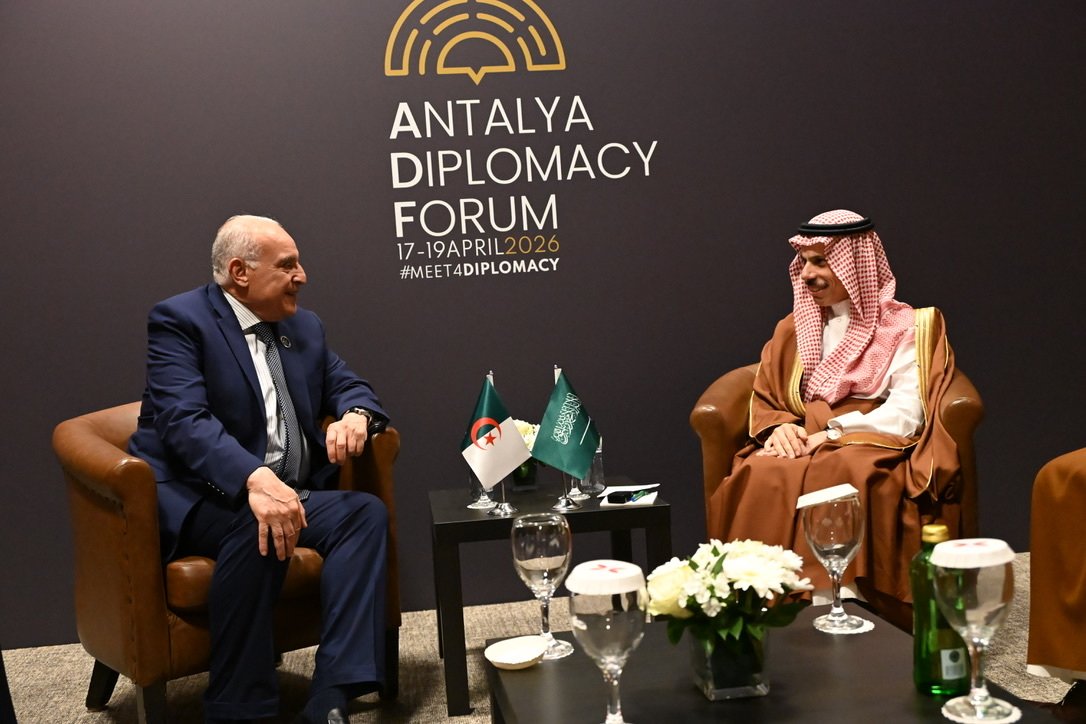
Actor-driven diplomacy between Algeria and Saudi Arabia has placed renewed emphasis on expanding economic cooperation, reflecting a broader effort by both states to strengthen ties in energy, investment and trade strategy.
What is confirmed is that senior officials from both countries held bilateral discussions focused on deepening economic relations and identifying areas of mutual benefit.
The talks are best understood through the structural relationship between two major energy-producing states operating within overlapping but distinct economic priorities.
Algeria, a significant gas exporter in North Africa, is focused on attracting foreign investment, diversifying its economy and stabilizing long-term energy revenues.
Saudi Arabia, the region’s largest economy and a leading global oil producer, is actively pursuing economic diversification under its long-term reform agenda while maintaining its central role in global energy markets.
At the core of such engagements is coordination around energy policy and investment flows.
While both countries are influential within global energy frameworks, their cooperation is not based on a formal alliance but on pragmatic alignment in areas where interests overlap.
These typically include hydrocarbon market stability, petrochemical development, infrastructure financing and broader trade facilitation.
The emphasis on stronger economic cooperation also reflects wider geopolitical and economic conditions.
Energy markets remain volatile, global investment competition is intensifying, and regional states are increasingly seeking diversified partnerships beyond traditional Western economic ties.
In this context, bilateral engagement between major producers serves both strategic and financial objectives.
What is confirmed is the stated intention from both sides to explore expanded cooperation frameworks.
However, specific binding agreements, detailed financial commitments or newly finalized projects have not been publicly established within the scope of the reported discussions.
The immediate implication of such talks is not a structural shift in alliances but a reinforcement of pragmatic economic diplomacy.
Both governments are positioning themselves to maximize leverage in global energy and investment markets while maintaining flexibility in policy choices.
The outcome of these engagements will likely be measured in incremental cooperation across targeted sectors rather than a single transformative agreement.
What is confirmed is that senior officials from both countries held bilateral discussions focused on deepening economic relations and identifying areas of mutual benefit.
The talks are best understood through the structural relationship between two major energy-producing states operating within overlapping but distinct economic priorities.
Algeria, a significant gas exporter in North Africa, is focused on attracting foreign investment, diversifying its economy and stabilizing long-term energy revenues.
Saudi Arabia, the region’s largest economy and a leading global oil producer, is actively pursuing economic diversification under its long-term reform agenda while maintaining its central role in global energy markets.
At the core of such engagements is coordination around energy policy and investment flows.
While both countries are influential within global energy frameworks, their cooperation is not based on a formal alliance but on pragmatic alignment in areas where interests overlap.
These typically include hydrocarbon market stability, petrochemical development, infrastructure financing and broader trade facilitation.
The emphasis on stronger economic cooperation also reflects wider geopolitical and economic conditions.
Energy markets remain volatile, global investment competition is intensifying, and regional states are increasingly seeking diversified partnerships beyond traditional Western economic ties.
In this context, bilateral engagement between major producers serves both strategic and financial objectives.
What is confirmed is the stated intention from both sides to explore expanded cooperation frameworks.
However, specific binding agreements, detailed financial commitments or newly finalized projects have not been publicly established within the scope of the reported discussions.
The immediate implication of such talks is not a structural shift in alliances but a reinforcement of pragmatic economic diplomacy.
Both governments are positioning themselves to maximize leverage in global energy and investment markets while maintaining flexibility in policy choices.
The outcome of these engagements will likely be measured in incremental cooperation across targeted sectors rather than a single transformative agreement.