Mali Crisis Deepens as Rebels Seize Kidal and Kill Defense Minister
Jihadist fighters and separatists launch unprecedented alliance, capturing key northern town and killing defense minister in coordinated assault on Mali's military junta.
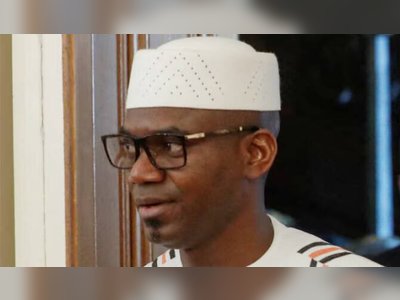
Mali’s military rulers faced a mounting crisis following a synchronized nationwide attack by jihadist fighters and separatist rebels that resulted in the death of Defense Minister Sadio Camara and led to the reported capture of the strategic northern town of Kidal.
The attacks, conducted by the Azawad Liberation Front (FLA) alongside the Al-Qaeda-linked Group for the Support of Islam and Muslims (JNIM), signify an unprecedented alliance between the two groups and pose a significant challenge to Mali’s junta since it seized power.
The assault saw defense minister Camara killed in a car bomb attack on his home in Kati, a military stronghold near Bamako.
His family also suffered casualties, with his second wife and two grandchildren losing their lives in the incident.
Camara succumbed to his injuries in the hospital after attempting to fend off the attackers.
There was no public appearance by junta leader General Assimi Goita following the attacks, though security sources indicated he was safely located.
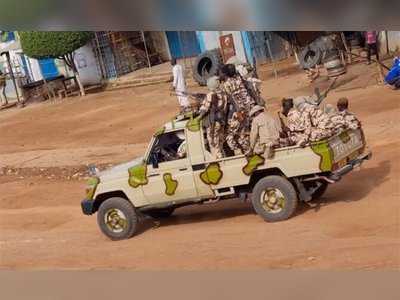
Fighting erupted across multiple locations, including Kati, Sevare, Gao, and Kidal, underscoring the scale and coordination of the assault.
In a significant development, separatist leaders declared Kidal 'free,' claiming Malian forces and Russian-backed troops had withdrawn under an agreement for peaceful exit.
This loss represents a significant reversal for the junta, which had previously recaptured the city with help from the Wagner group.
The attacks marked the first joint operation between separatists and jihadists, extending beyond tactical cooperation into a political alignment.
The scale, simultaneity, and strategic messaging of the assaults were unprecedented in Mali’s long-standing conflict.
JNIM claimed responsibility for targeting areas near Bamako and at least three other cities, broadening the geographic scope of the conflict.
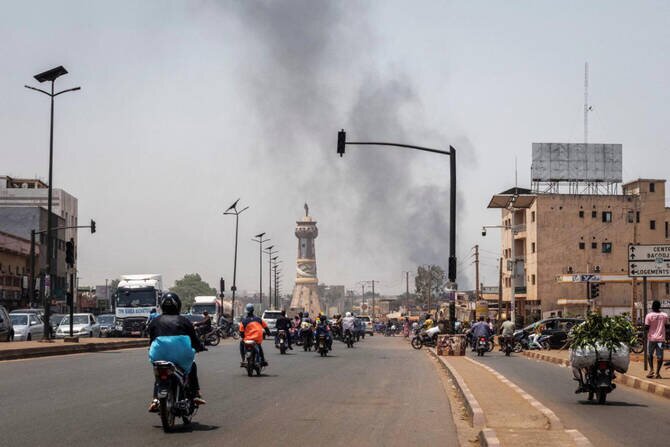
Bamako was placed on edge, with troops establishing roadblocks around key installations and reports of explosions and gunfire.
The government imposed a three-day curfew across the capital district in response to the violence.
At least 16 people were wounded, including civilians and military personnel, while several militants lost their lives.
Despite this, the international airport near Bamako resumed operations.
The attacks drew swift condemnation from the UN Secretary-General Antonio Guterres and the European Union, who denounced the assaults as acts of terrorism.
The Economic Community of West African States urged regional unity against the escalating threat.
Mali, Burkina Faso, and Niger — part of the Alliance of Sahel States — described the operations as a 'monstrous plot' backed by external forces.
The crisis also raises questions about Russia's involvement in Mali’s security strategy.
Following Mali's pivot towards Russia after severing ties with Western partners, Russian forces have been central to counterinsurgency efforts.
However, the latest attacks highlight significant intelligence and security gaps.
Mali has experienced over a decade of insurgency and instability, but recent developments signal a dangerous new phase in its conflict.
The rare alignment between separatists seeking northern Azawad's independence and jihadists linked to Al-Qaeda suggests converging interests that could further destabilize the region.
While experts doubt an immediate capture of Bamako, the assault has eroded confidence in the junta’s security delivery.
The unfolding situation poses a significant threat to Mali’s leadership and stability across the Sahel, indicating a potential shift in power dynamics within the region.
The attacks, conducted by the Azawad Liberation Front (FLA) alongside the Al-Qaeda-linked Group for the Support of Islam and Muslims (JNIM), signify an unprecedented alliance between the two groups and pose a significant challenge to Mali’s junta since it seized power.
The assault saw defense minister Camara killed in a car bomb attack on his home in Kati, a military stronghold near Bamako.
His family also suffered casualties, with his second wife and two grandchildren losing their lives in the incident.
Camara succumbed to his injuries in the hospital after attempting to fend off the attackers.
There was no public appearance by junta leader General Assimi Goita following the attacks, though security sources indicated he was safely located.
Fighting erupted across multiple locations, including Kati, Sevare, Gao, and Kidal, underscoring the scale and coordination of the assault.
In a significant development, separatist leaders declared Kidal 'free,' claiming Malian forces and Russian-backed troops had withdrawn under an agreement for peaceful exit.
This loss represents a significant reversal for the junta, which had previously recaptured the city with help from the Wagner group.
The attacks marked the first joint operation between separatists and jihadists, extending beyond tactical cooperation into a political alignment.
The scale, simultaneity, and strategic messaging of the assaults were unprecedented in Mali’s long-standing conflict.
JNIM claimed responsibility for targeting areas near Bamako and at least three other cities, broadening the geographic scope of the conflict.
Bamako was placed on edge, with troops establishing roadblocks around key installations and reports of explosions and gunfire.
The government imposed a three-day curfew across the capital district in response to the violence.
At least 16 people were wounded, including civilians and military personnel, while several militants lost their lives.
Despite this, the international airport near Bamako resumed operations.
The attacks drew swift condemnation from the UN Secretary-General Antonio Guterres and the European Union, who denounced the assaults as acts of terrorism.
The Economic Community of West African States urged regional unity against the escalating threat.
Mali, Burkina Faso, and Niger — part of the Alliance of Sahel States — described the operations as a 'monstrous plot' backed by external forces.
The crisis also raises questions about Russia's involvement in Mali’s security strategy.
Following Mali's pivot towards Russia after severing ties with Western partners, Russian forces have been central to counterinsurgency efforts.
However, the latest attacks highlight significant intelligence and security gaps.
Mali has experienced over a decade of insurgency and instability, but recent developments signal a dangerous new phase in its conflict.
The rare alignment between separatists seeking northern Azawad's independence and jihadists linked to Al-Qaeda suggests converging interests that could further destabilize the region.
While experts doubt an immediate capture of Bamako, the assault has eroded confidence in the junta’s security delivery.
The unfolding situation poses a significant threat to Mali’s leadership and stability across the Sahel, indicating a potential shift in power dynamics within the region.