Vision 2030's Impact on Saudi Arabia: Transforming Higher Education and Jobs Market with Focus on AI, Renewable Energy, and Tourism
The text discusses how the Vision 2030 initiative in Saudi Arabia is leading to significant changes in the higher education landscape and jobs market.
According to a report by Colliers, an economic transformation and diversification driven by the strategy, as well as the Saudization program, is resulting in an increase in jobs in sectors such as artificial intelligence, robotic sciences, nuclear energy, and renewable energy.
Additionally, there is expected to be a shift in demand towards research and development studies due to the changing market dynamics.
The text discusses the need to adjust higher education to better align with employment market requirements.
Colliers predicts growth in the tourism sector due to Saudi Arabia's investments and regulatory changes.
Additionally, a Social Development Bank with a SR22 billion budget will be established to support small businesses.
The demand in these sectors is expected to focus on specific skills rather than traditional degree courses.
The report states that out of 3.3 million Saudis aged 18-24 in 2022, 2 million were enrolled in higher education institutes in Saudi Arabia.
Majority of these students, 95%, attended public sector institutions due to their affordability and perceived better quality.
Graduates from public universities had a higher chance of securing a job.
However, the current enrollment distribution in public universities did not match the employment market needs, with a large number of students studying humanities, Islamic studies, and behavioral sciences.
Mansoor Ahmed, from Colliers, added his insights.
The text discusses the gender enrollment imbalance in education in Saudi Arabia.
While more females are enrolled in universities (54%), the majority of students in technical, vocational, and military institutions are male (86%).
To support the Kingdom's economic transformation and address the education and skills gap, there is a need to encourage students to pursue emerging fields like renewable energy, tourism, and hospitality.
The tourism industry, particularly in the Gulf region, has seen significant growth, with Saudi Arabia aiming to host 130 million tourists annually by 2030.
Currently, there are around 640,000 hotel rooms in Saudi Arabia, employing approximately 500,000 people.
The text discusses the anticipated growth in the Saudi Arabian hospitality industry, with an estimated addition of 200,000 hotel rooms and over 230,000 jobs by 2030.
Currently, a large number of staff in this sector are expatriates, and there is a need to cultivate local talent to meet the increasing demand for manpower.
As part of the government's Saudization drive, a minimum of 30% of the workforce in the hospitality sector must be Saudi nationals, with all front desk and managerial roles reserved for locals.
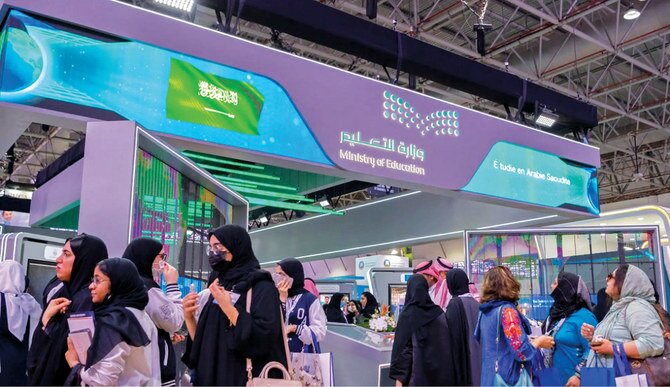
The Ministry of Education in Saudi Arabia is working to increase the number of hospitality academies and tourism programs in public universities to meet the government's vision of growing the hospitality and tourism sector.
However, enrollment in these fields is low, with only 0.3% of students in higher education institutes (HEIs) studying tourism or hospitality.
There is a significant shortage of technically qualified staff in areas like culinary arts, kitchen work, and sales.
Few job applicants have relevant qualifications, with most being graduates or diploma holders in other fields.
Saudi Arabia is experiencing increasing demand for hospitality workers, but a lack of skills and training is hindering local candidates from securing managerial and front office roles.
The perception of low social status for technical roles in the hospitality industry is another challenge.
To address this, tourism and hospitality-related courses are expected to gain popularity in the region, particularly in Saudi Arabia, as they offer high employment prospects due to the growing demand for skilled workers in the sector.
The text discusses the opportunities for growth in Saudi Arabia's higher education sector as the government aims to increase private sector participation.
This shift presents new opportunities for international universities to open branch campuses in the Kingdom.
Colliers, a real estate consultancy firm, suggests this change as the government seeks to transform its role from a service provider to a regulator and facilitator.
However, it is crucial to maintain a balance between public and private sector provisions to ensure quality education for all, consider income disparity, and accommodate families who may not be able to afford private education.
The challenge of perception towards private education needs to be addressed to make the field more attractive.
The text emphasizes the importance of a clear and consistent regulatory framework for attracting private investments in the education sector.
A transparent and stable environment is necessary to build trust and confidence among investors, ensuring long-term commitment and sustainable growth in educational institutions.
Additionally, there is expected to be a shift in demand towards research and development studies due to the changing market dynamics.
The text discusses the need to adjust higher education to better align with employment market requirements.
Colliers predicts growth in the tourism sector due to Saudi Arabia's investments and regulatory changes.
Additionally, a Social Development Bank with a SR22 billion budget will be established to support small businesses.
The demand in these sectors is expected to focus on specific skills rather than traditional degree courses.
The report states that out of 3.3 million Saudis aged 18-24 in 2022, 2 million were enrolled in higher education institutes in Saudi Arabia.
Majority of these students, 95%, attended public sector institutions due to their affordability and perceived better quality.
Graduates from public universities had a higher chance of securing a job.
However, the current enrollment distribution in public universities did not match the employment market needs, with a large number of students studying humanities, Islamic studies, and behavioral sciences.
Mansoor Ahmed, from Colliers, added his insights.
The text discusses the gender enrollment imbalance in education in Saudi Arabia.
While more females are enrolled in universities (54%), the majority of students in technical, vocational, and military institutions are male (86%).
To support the Kingdom's economic transformation and address the education and skills gap, there is a need to encourage students to pursue emerging fields like renewable energy, tourism, and hospitality.
The tourism industry, particularly in the Gulf region, has seen significant growth, with Saudi Arabia aiming to host 130 million tourists annually by 2030.
Currently, there are around 640,000 hotel rooms in Saudi Arabia, employing approximately 500,000 people.
The text discusses the anticipated growth in the Saudi Arabian hospitality industry, with an estimated addition of 200,000 hotel rooms and over 230,000 jobs by 2030.
Currently, a large number of staff in this sector are expatriates, and there is a need to cultivate local talent to meet the increasing demand for manpower.
As part of the government's Saudization drive, a minimum of 30% of the workforce in the hospitality sector must be Saudi nationals, with all front desk and managerial roles reserved for locals.
The Ministry of Education in Saudi Arabia is working to increase the number of hospitality academies and tourism programs in public universities to meet the government's vision of growing the hospitality and tourism sector.
However, enrollment in these fields is low, with only 0.3% of students in higher education institutes (HEIs) studying tourism or hospitality.
There is a significant shortage of technically qualified staff in areas like culinary arts, kitchen work, and sales.
Few job applicants have relevant qualifications, with most being graduates or diploma holders in other fields.
Saudi Arabia is experiencing increasing demand for hospitality workers, but a lack of skills and training is hindering local candidates from securing managerial and front office roles.
The perception of low social status for technical roles in the hospitality industry is another challenge.
To address this, tourism and hospitality-related courses are expected to gain popularity in the region, particularly in Saudi Arabia, as they offer high employment prospects due to the growing demand for skilled workers in the sector.
The text discusses the opportunities for growth in Saudi Arabia's higher education sector as the government aims to increase private sector participation.
This shift presents new opportunities for international universities to open branch campuses in the Kingdom.
Colliers, a real estate consultancy firm, suggests this change as the government seeks to transform its role from a service provider to a regulator and facilitator.
However, it is crucial to maintain a balance between public and private sector provisions to ensure quality education for all, consider income disparity, and accommodate families who may not be able to afford private education.
The challenge of perception towards private education needs to be addressed to make the field more attractive.
The text emphasizes the importance of a clear and consistent regulatory framework for attracting private investments in the education sector.
A transparent and stable environment is necessary to build trust and confidence among investors, ensuring long-term commitment and sustainable growth in educational institutions.
Translation:
Translated by AI