UAE’s Growing Oil Strategy Shift Fuels Speculation Over Its Future Role in OPEC
Rising production ambitions, investment diversification, and internal OPEC tensions are reshaping Abu Dhabi’s approach to oil policy—but no confirmed move to leave OPEC has been made.
The Organization-Driven dynamics inside global oil markets are increasingly shaping speculation about the United Arab Emirates’ long-term position within OPEC, as Abu Dhabi pursues an assertive production expansion strategy that sits uneasily within the group’s output discipline framework.
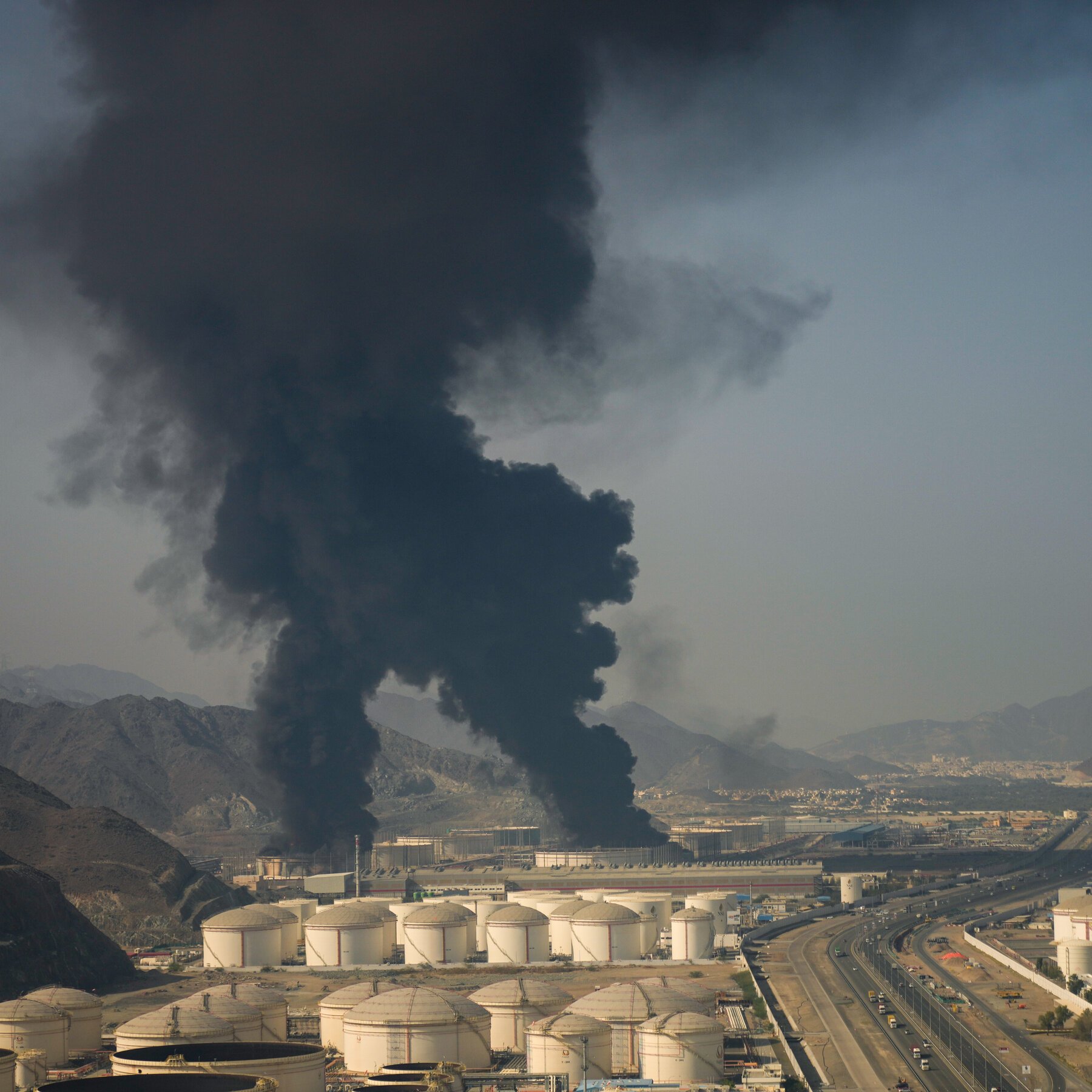
What is confirmed is that the United Arab Emirates has significantly expanded its oil production capacity targets over the past several years, driven by its national energy company’s investment program aimed at raising output capacity well above earlier OPEC quotas.
This expansion reflects a broader strategy to maximize hydrocarbon revenue during a global transition period, while simultaneously diversifying its economy into logistics, finance, artificial intelligence, and renewable energy.
The headline claim that the UAE is leaving OPEC is not confirmed by any official decision or announcement.
Instead, what is observable is a growing structural tension between the UAE’s production ambitions and the production restraint mechanisms that define OPEC’s role in stabilizing global oil prices.
OPEC operates as a coordinated supply management system, where members agree to collective output limits to prevent price collapses during periods of oversupply.
The UAE has repeatedly argued for production quota adjustments that better reflect its expanded capacity.
This has led to periodic negotiations within OPEC+—the expanded alliance that includes Russia and other non-OPEC producers—over baseline production levels.
These discussions have at times produced friction, particularly when production cuts are required to support prices during weaker demand cycles.
At the same time, the UAE’s economic model has become increasingly sensitive to long-term energy market transitions.
While oil and gas remain central to government revenues, Abu Dhabi has positioned itself as a diversified global investment hub, channeling sovereign wealth into technology infrastructure, international assets, and industrial development.
This diversification reduces—but does not eliminate—its reliance on coordinated oil price management.
The geopolitical context also plays a role in shaping perceptions of OPEC cohesion.
OPEC decisions are influenced not only by economic considerations but also by the differing fiscal needs and production capacities of member states.
Countries with spare capacity and large investment cycles, such as the UAE and Saudi Arabia, often prioritize different policy outcomes than producers with tighter fiscal constraints.
The idea of an exit from OPEC would represent a major structural shock to global oil markets, but there is no formal process underway suggesting such a move.
Membership in OPEC is not simply commercial; it is also a geopolitical alignment tool that provides collective leverage in managing global supply dynamics and pricing influence.
What is emerging instead is a more fragmented internal landscape within OPEC+, where members are increasingly focused on individual production strategies while still participating in coordinated agreements.
This creates recurring negotiation cycles over quotas, compliance levels, and baseline adjustments.
For now, the UAE remains firmly within OPEC and continues to participate in its coordinated production framework.
The real issue shaping current debate is not withdrawal, but whether the organization’s internal rules can adapt to members whose production capacity and economic strategies are diverging more sharply than in previous decades.
What is confirmed is that the United Arab Emirates has significantly expanded its oil production capacity targets over the past several years, driven by its national energy company’s investment program aimed at raising output capacity well above earlier OPEC quotas.
This expansion reflects a broader strategy to maximize hydrocarbon revenue during a global transition period, while simultaneously diversifying its economy into logistics, finance, artificial intelligence, and renewable energy.
The headline claim that the UAE is leaving OPEC is not confirmed by any official decision or announcement.
Instead, what is observable is a growing structural tension between the UAE’s production ambitions and the production restraint mechanisms that define OPEC’s role in stabilizing global oil prices.
OPEC operates as a coordinated supply management system, where members agree to collective output limits to prevent price collapses during periods of oversupply.
The UAE has repeatedly argued for production quota adjustments that better reflect its expanded capacity.
This has led to periodic negotiations within OPEC+—the expanded alliance that includes Russia and other non-OPEC producers—over baseline production levels.
These discussions have at times produced friction, particularly when production cuts are required to support prices during weaker demand cycles.
At the same time, the UAE’s economic model has become increasingly sensitive to long-term energy market transitions.
While oil and gas remain central to government revenues, Abu Dhabi has positioned itself as a diversified global investment hub, channeling sovereign wealth into technology infrastructure, international assets, and industrial development.
This diversification reduces—but does not eliminate—its reliance on coordinated oil price management.
The geopolitical context also plays a role in shaping perceptions of OPEC cohesion.
OPEC decisions are influenced not only by economic considerations but also by the differing fiscal needs and production capacities of member states.
Countries with spare capacity and large investment cycles, such as the UAE and Saudi Arabia, often prioritize different policy outcomes than producers with tighter fiscal constraints.
The idea of an exit from OPEC would represent a major structural shock to global oil markets, but there is no formal process underway suggesting such a move.
Membership in OPEC is not simply commercial; it is also a geopolitical alignment tool that provides collective leverage in managing global supply dynamics and pricing influence.
What is emerging instead is a more fragmented internal landscape within OPEC+, where members are increasingly focused on individual production strategies while still participating in coordinated agreements.
This creates recurring negotiation cycles over quotas, compliance levels, and baseline adjustments.
For now, the UAE remains firmly within OPEC and continues to participate in its coordinated production framework.
The real issue shaping current debate is not withdrawal, but whether the organization’s internal rules can adapt to members whose production capacity and economic strategies are diverging more sharply than in previous decades.