UAE Quits OPEC Amid Hormuz Crisis, Reshaping Global Oil Power Balance
Abu Dhabi’s withdrawal from OPEC and OPEC+ marks a major rupture in Gulf energy coordination as war-driven disruptions in the Strait of Hormuz intensify global supply stress and deepen rivalry with Saudi Arabia.
SYSTEM-DRIVEN — global oil governance structures and geopolitical energy infrastructure — is the core driver of this development, not a single isolated incident.
The United Arab Emirates’ decision to leave OPEC and the broader OPEC+ alliance fundamentally alters how major oil-producing states coordinate output at a moment when global supply chains are already under severe strain.
What is confirmed is that the UAE announced it will withdraw from OPEC effective May 1, ending its participation in a system it has belonged to since the late 1960s.
The decision also extends to the wider OPEC+ grouping, which coordinates production limits among major exporters including Saudi Arabia and Russia.
The UAE has framed the move as a strategic recalibration aimed at aligning its oil policy with its long-term economic planning and investment priorities.
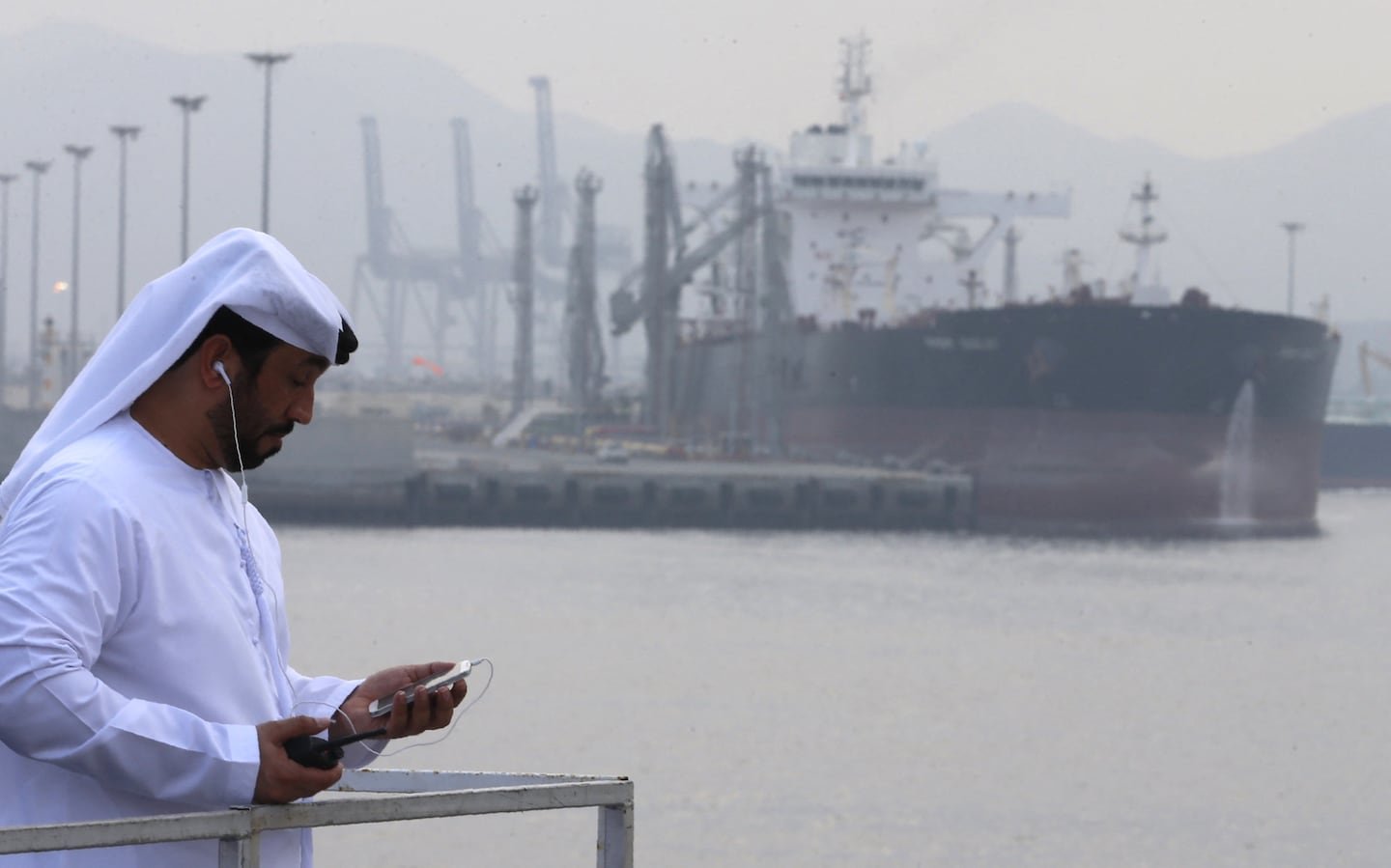
The timing is inseparable from a broader energy shock tied to escalating conflict involving Iran and the effective disruption of shipping through the Strait of Hormuz, a critical passageway for global oil exports.
This chokepoint typically carries roughly a fifth of global crude flows, and restrictions there have sharply reduced the flexibility of Gulf exporters to move supply to market.
In that environment, traditional production quotas enforced by OPEC have become harder to operationalize in practice.
The UAE is one of OPEC’s largest producers and a key swing supplier within the Gulf system.
Its exit weakens the group’s ability to enforce coordinated production discipline, particularly at a moment when global markets are already experiencing supply constraints.
Analysts broadly assess that the immediate price impact is muted not because the decision is insignificant, but because physical export bottlenecks are already limiting how much additional oil can reach global buyers.
The political dimension is equally important.
The move reflects long-running tensions between Abu Dhabi and Riyadh over production quotas and strategic autonomy.
The UAE has repeatedly signaled that its production capacity and investment strategy are constrained by collective output ceilings that no longer match its economic ambitions.
Its departure therefore represents not just a policy change, but a structural challenge to Saudi Arabia’s traditional leadership role inside the cartel.
Economically, the UAE’s strategy is consistent with a broader shift away from oil dependence toward diversification in sectors such as logistics, finance, tourism, and technology investment.
Greater autonomy over production allows it to prioritize revenue maximization and market responsiveness without requiring consensus from OPEC members whose interests are increasingly divergent.
In the short term, the global oil market remains dominated by physical disruptions linked to regional conflict and shipping constraints.
In the medium term, however, the UAE’s exit sets a precedent that could encourage other producers to reassess the value of coordinated output systems.
That dynamic introduces a longer-term risk of fragmented supply management, reduced cartel influence, and higher structural volatility in global energy pricing.
The immediate consequence is a weakened OPEC framework operating in a constrained export environment.
The longer-term consequence is a potential shift toward a more decentralized global oil order, where individual producers exercise greater independence at the expense of coordinated market stabilization.
The United Arab Emirates’ decision to leave OPEC and the broader OPEC+ alliance fundamentally alters how major oil-producing states coordinate output at a moment when global supply chains are already under severe strain.
What is confirmed is that the UAE announced it will withdraw from OPEC effective May 1, ending its participation in a system it has belonged to since the late 1960s.
The decision also extends to the wider OPEC+ grouping, which coordinates production limits among major exporters including Saudi Arabia and Russia.
The UAE has framed the move as a strategic recalibration aimed at aligning its oil policy with its long-term economic planning and investment priorities.
The timing is inseparable from a broader energy shock tied to escalating conflict involving Iran and the effective disruption of shipping through the Strait of Hormuz, a critical passageway for global oil exports.
This chokepoint typically carries roughly a fifth of global crude flows, and restrictions there have sharply reduced the flexibility of Gulf exporters to move supply to market.
In that environment, traditional production quotas enforced by OPEC have become harder to operationalize in practice.
The UAE is one of OPEC’s largest producers and a key swing supplier within the Gulf system.
Its exit weakens the group’s ability to enforce coordinated production discipline, particularly at a moment when global markets are already experiencing supply constraints.
Analysts broadly assess that the immediate price impact is muted not because the decision is insignificant, but because physical export bottlenecks are already limiting how much additional oil can reach global buyers.
The political dimension is equally important.
The move reflects long-running tensions between Abu Dhabi and Riyadh over production quotas and strategic autonomy.
The UAE has repeatedly signaled that its production capacity and investment strategy are constrained by collective output ceilings that no longer match its economic ambitions.
Its departure therefore represents not just a policy change, but a structural challenge to Saudi Arabia’s traditional leadership role inside the cartel.
Economically, the UAE’s strategy is consistent with a broader shift away from oil dependence toward diversification in sectors such as logistics, finance, tourism, and technology investment.
Greater autonomy over production allows it to prioritize revenue maximization and market responsiveness without requiring consensus from OPEC members whose interests are increasingly divergent.
In the short term, the global oil market remains dominated by physical disruptions linked to regional conflict and shipping constraints.
In the medium term, however, the UAE’s exit sets a precedent that could encourage other producers to reassess the value of coordinated output systems.
That dynamic introduces a longer-term risk of fragmented supply management, reduced cartel influence, and higher structural volatility in global energy pricing.
The immediate consequence is a weakened OPEC framework operating in a constrained export environment.
The longer-term consequence is a potential shift toward a more decentralized global oil order, where individual producers exercise greater independence at the expense of coordinated market stabilization.