
World Falling Short in Hepatitis Elimination: WHO
Global health body warns that the progress in eliminating hepatitis B and C is too slow, with over one million annual deaths.
The World Health Organization (WHO) has sounded the alarm on the global progress in eliminating hepatitis, highlighting the slow pace of advancements.
Despite having the necessary tools to combat the disease, which claims more than one million lives each year, significant gaps remain.Hepatitis B and C, responsible for approximately 95% of hepatitis-related deaths worldwide, accounted for 1.34 million fatalities in 2024 alone.
Additionally, over 1.8 million new infections are reported annually.WHO Director-General Tedros Adhanom Ghebreyesus emphasized the urgency of scaling up prevention, diagnosis, and treatment to tackle this public health threat effectively.
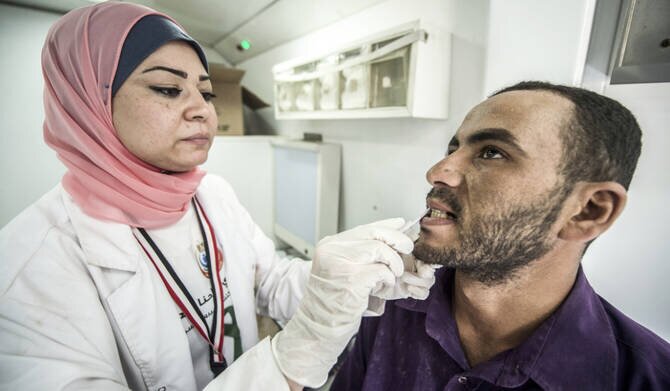
The issue is exacerbated by undiagnosed and untreated cases due to stigma, inadequate healthcare systems, and unequal access to care.
Currently, less than 5% of those living with chronic hepatitis B receive treatment, while only 20% of individuals affected by hepatitis C have been treated since 2015.The WHO's Global Hepatitis Report 2026 reveals that approximately 287 million people were living with chronic hepatitis B or C infection in 2024.
Africa, bearing the highest burden of hepatitis B infections, sees a disheartening statistic of only 17% of babies receiving the birth dose vaccine in 2024.Six countries—China, India, Indonesia, Nigeria, South Africa, and Vietnam—are among the top 10 for deaths related to hepatitis B and C.
The WHO reiterates that each missed diagnosis and untreated infection represents a preventable death.
Available tools include vaccines with over 95% efficacy against acute and chronic infections, long-term antiviral treatments for hepatitis B management, and short-course curative therapies for hepatitis C that cure more than 95% of infections.Notably, countries such as Britain, Egypt, Georgia, and Rwanda have shown that eliminating hepatitis is feasible.
The WHO stresses the importance of sustained political commitment alongside reliable domestic financing to make this goal attainable.While progress has been made since 2015—with a 32% drop in new hepatitis B cases and a 12% decrease in hepatitis C-related deaths—there remains significant work to be done globally.
Despite having the necessary tools to combat the disease, which claims more than one million lives each year, significant gaps remain.Hepatitis B and C, responsible for approximately 95% of hepatitis-related deaths worldwide, accounted for 1.34 million fatalities in 2024 alone.
Additionally, over 1.8 million new infections are reported annually.WHO Director-General Tedros Adhanom Ghebreyesus emphasized the urgency of scaling up prevention, diagnosis, and treatment to tackle this public health threat effectively.
The issue is exacerbated by undiagnosed and untreated cases due to stigma, inadequate healthcare systems, and unequal access to care.
Currently, less than 5% of those living with chronic hepatitis B receive treatment, while only 20% of individuals affected by hepatitis C have been treated since 2015.The WHO's Global Hepatitis Report 2026 reveals that approximately 287 million people were living with chronic hepatitis B or C infection in 2024.
Africa, bearing the highest burden of hepatitis B infections, sees a disheartening statistic of only 17% of babies receiving the birth dose vaccine in 2024.Six countries—China, India, Indonesia, Nigeria, South Africa, and Vietnam—are among the top 10 for deaths related to hepatitis B and C.
The WHO reiterates that each missed diagnosis and untreated infection represents a preventable death.
Available tools include vaccines with over 95% efficacy against acute and chronic infections, long-term antiviral treatments for hepatitis B management, and short-course curative therapies for hepatitis C that cure more than 95% of infections.Notably, countries such as Britain, Egypt, Georgia, and Rwanda have shown that eliminating hepatitis is feasible.
The WHO stresses the importance of sustained political commitment alongside reliable domestic financing to make this goal attainable.While progress has been made since 2015—with a 32% drop in new hepatitis B cases and a 12% decrease in hepatitis C-related deaths—there remains significant work to be done globally.