
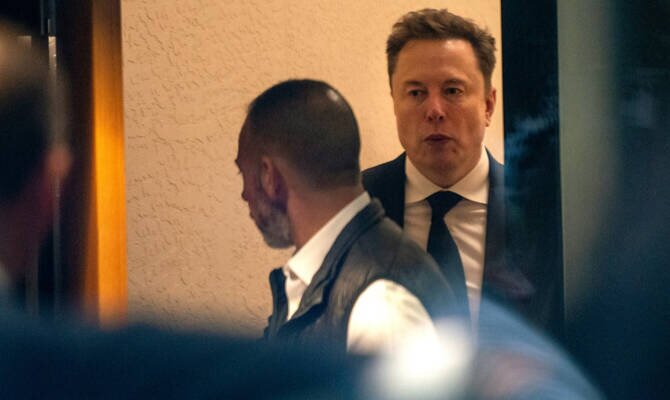
Musk Testifies at OpenAI Trial: A Defense of Charitable Giving
Elon Musk takes the stand at a high-stakes trial over the future of OpenAI, accusing the ChatGPT-maker of abandoning its charitable mission and becoming a profit-seeking entity.
In a dramatic turn in the ongoing legal battle between Elon Musk and OpenAI, the world's richest person took the stand on Tuesday to defend his lawsuit against the ChatGPT-maker.
Musk alleges that OpenAI, co-founded by him in 2015 alongside Sam Altman and Greg Brockman, has betrayed its original mission to be a benevolent steward of AI technology for humanity.
Musk testified that his concerns about AI's potential risks have been longstanding, even dating back to meetings with former US President Barack Obama.
However, he stated that he became particularly focused on ensuring AI safety after feeling that Google, under the leadership of its co-founder Larry Page, was not adequately addressing these issues.
Musk emphasized the importance of having a counterpoint against Google and its AI lab DeepMind, which further solidified his commitment to OpenAI's mission.
The trial has seen both sides presenting starkly contrasting views on the evolution of OpenAI from a nonprofit research lab into a for-profit entity valued at over $850 billion.
Musk's legal team argues that he was instrumental in financing OpenAI's early growth and pushed for its transformation into a for-profit business, motivated by his vision to lead the company as CEO.
On the other hand, OpenAI's legal representatives maintain that Musk sought 'the keys to the kingdom' and only sued after failing to achieve this.
The court has also been grappling with the implications of Musk's social media activity, particularly his critical posts about Altman on X (formerly Twitter).
Judge Yvonne Gonzalez Rogers admonished Musk for these posts, urging him to control his use of social media to prevent proceedings from being influenced by external communications.
At stake in this trial is not only the future leadership and direction of OpenAI but also broader concerns around AI technology.
The case risks complicating OpenAI's potential initial public offering (IPO) and could reignite debates about the balance between profit and charitable mission within the tech industry.
Furthermore, the trial offers a rare insight into the personalities and dynamics that have shaped OpenAI from its inception in Brockman’s apartment to its current status as a leading AI innovator.
As the legal dispute unfolds, it remains to be seen whether Musk's allegations will lead to significant changes at OpenAI or if they will ultimately fail to sway the court.
What is clear, however, is that this trial has brought significant attention to issues surrounding AI development and its potential implications for society.
Musk alleges that OpenAI, co-founded by him in 2015 alongside Sam Altman and Greg Brockman, has betrayed its original mission to be a benevolent steward of AI technology for humanity.
Musk testified that his concerns about AI's potential risks have been longstanding, even dating back to meetings with former US President Barack Obama.
However, he stated that he became particularly focused on ensuring AI safety after feeling that Google, under the leadership of its co-founder Larry Page, was not adequately addressing these issues.
Musk emphasized the importance of having a counterpoint against Google and its AI lab DeepMind, which further solidified his commitment to OpenAI's mission.
The trial has seen both sides presenting starkly contrasting views on the evolution of OpenAI from a nonprofit research lab into a for-profit entity valued at over $850 billion.
Musk's legal team argues that he was instrumental in financing OpenAI's early growth and pushed for its transformation into a for-profit business, motivated by his vision to lead the company as CEO.
On the other hand, OpenAI's legal representatives maintain that Musk sought 'the keys to the kingdom' and only sued after failing to achieve this.
The court has also been grappling with the implications of Musk's social media activity, particularly his critical posts about Altman on X (formerly Twitter).
Judge Yvonne Gonzalez Rogers admonished Musk for these posts, urging him to control his use of social media to prevent proceedings from being influenced by external communications.
At stake in this trial is not only the future leadership and direction of OpenAI but also broader concerns around AI technology.
The case risks complicating OpenAI's potential initial public offering (IPO) and could reignite debates about the balance between profit and charitable mission within the tech industry.
Furthermore, the trial offers a rare insight into the personalities and dynamics that have shaped OpenAI from its inception in Brockman’s apartment to its current status as a leading AI innovator.
As the legal dispute unfolds, it remains to be seen whether Musk's allegations will lead to significant changes at OpenAI or if they will ultimately fail to sway the court.
What is clear, however, is that this trial has brought significant attention to issues surrounding AI development and its potential implications for society.