Türkiye’s Talks with Pakistan and Saudi Arabia Highlight Evolving Regional Security Cooperation
Ankara engages both capitals in discussions on expanded defence cooperation amid broader strategic alignment among the three states
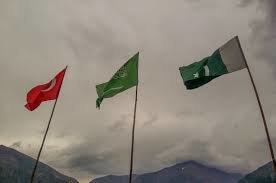
Türkiye has held discussions with Pakistan and Saudi Arabia about potential expanded defence cooperation that could build on an existing bilateral security agreement between Islamabad and Riyadh, officials in Ankara have said.
Turkish Foreign Minister Hakan Fidan stated that talks are ongoing with Pakistan and Saudi Arabia on a possible trilateral security arrangement, though no agreement has yet been signed, reflecting sustained diplomatic engagement rather than a concluded pact.{{turn0search0}}{{turn0search3}}
The dialogue follows the Strategic Mutual Defence Agreement signed by Pakistan and Saudi Arabia in September 2025, under which each party committed to treat aggression against one as aggression against both.
That bilateral accord formally elevated defence ties, including through commitments on collective security, joint exercises, intelligence sharing and capacity building.
Türkiye’s potential involvement would build on this framework and expand cooperation among the three Muslim-majority states.{{turn0search19}}
Ankara already maintains defence and industrial links with Pakistan, including naval shipbuilding cooperation under the MILGEM programme and other joint projects, as well as military-to-military collaboration.
Saudi officials have also deepened operational ties with Pakistan’s armed forces through exercises, training and multi-domain capability talks in recent years.
The ongoing discussions seek to frame cooperation in ways that respect the strategic autonomy of all participants and avoid rigid alliance commitments, with Turkish officials emphasising a broader platform for regional security cooperation.{{turn0search3}}{{turn0search2}}
Observers say that bringing Türkiye into closer defence collaboration with Saudi Arabia and Pakistan could signal shifts in regional security architecture across the Middle East and South Asia, introducing a flexible, interest-driven framework that complements existing partnerships.
The talks have occurred against a backdrop of ongoing volatility across multiple theatres, including conflicts in the Middle East and wider debates over the role of external powers in regional security.
Even without a formal treaty, the process of sustained dialogue among Ankara, Islamabad and Riyadh reflects a broader trend toward diversified security cooperation among influential regional actors.
Turkish Foreign Minister Hakan Fidan stated that talks are ongoing with Pakistan and Saudi Arabia on a possible trilateral security arrangement, though no agreement has yet been signed, reflecting sustained diplomatic engagement rather than a concluded pact.{{turn0search0}}{{turn0search3}}
The dialogue follows the Strategic Mutual Defence Agreement signed by Pakistan and Saudi Arabia in September 2025, under which each party committed to treat aggression against one as aggression against both.
That bilateral accord formally elevated defence ties, including through commitments on collective security, joint exercises, intelligence sharing and capacity building.
Türkiye’s potential involvement would build on this framework and expand cooperation among the three Muslim-majority states.{{turn0search19}}
Ankara already maintains defence and industrial links with Pakistan, including naval shipbuilding cooperation under the MILGEM programme and other joint projects, as well as military-to-military collaboration.
Saudi officials have also deepened operational ties with Pakistan’s armed forces through exercises, training and multi-domain capability talks in recent years.
The ongoing discussions seek to frame cooperation in ways that respect the strategic autonomy of all participants and avoid rigid alliance commitments, with Turkish officials emphasising a broader platform for regional security cooperation.{{turn0search3}}{{turn0search2}}
Observers say that bringing Türkiye into closer defence collaboration with Saudi Arabia and Pakistan could signal shifts in regional security architecture across the Middle East and South Asia, introducing a flexible, interest-driven framework that complements existing partnerships.
The talks have occurred against a backdrop of ongoing volatility across multiple theatres, including conflicts in the Middle East and wider debates over the role of external powers in regional security.
Even without a formal treaty, the process of sustained dialogue among Ankara, Islamabad and Riyadh reflects a broader trend toward diversified security cooperation among influential regional actors.