Senator Lindsey Graham Criticises Saudi Arabia’s Response to UAE Attack and Syrian Assault on Kurds
Senior U.S. lawmaker urges Riyadh to use influence to halt violence in Syria and decries its silence on Kurdish plight amid broader regional tensions
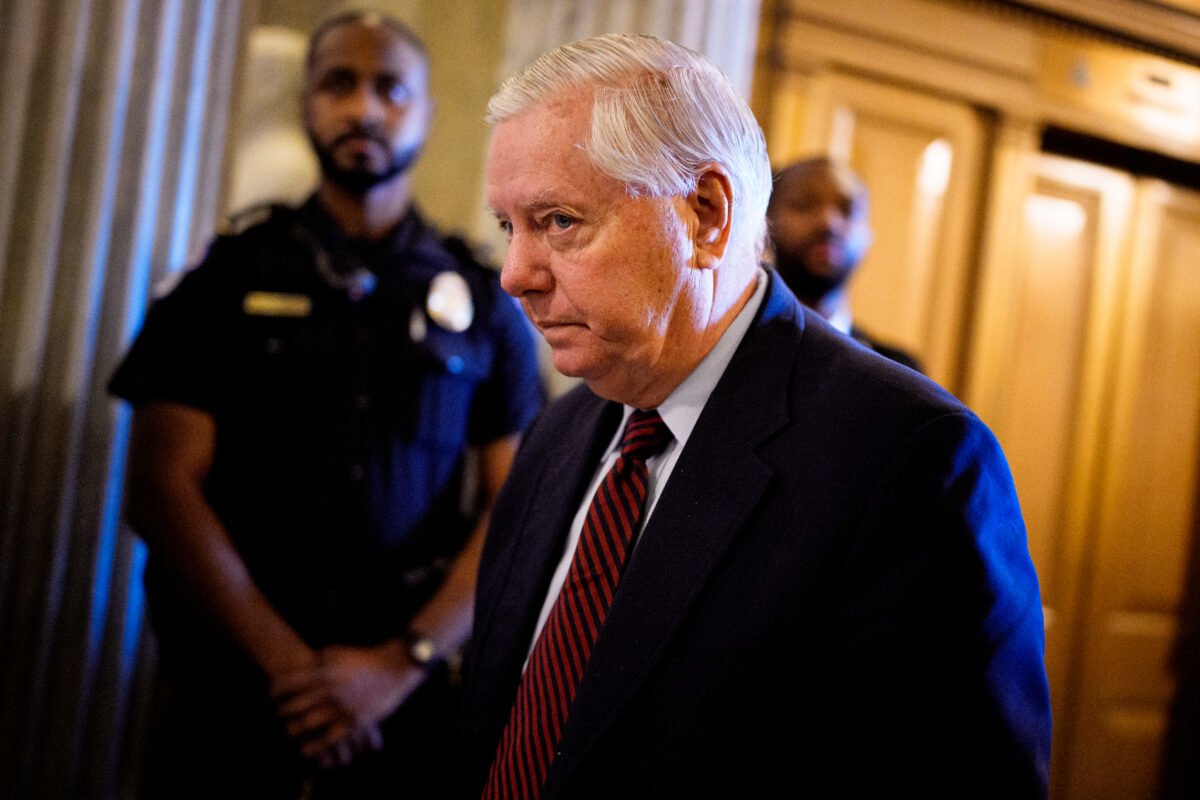
U.S. Senator Lindsey Graham has publicly criticised Saudi Arabia for both its recent military actions against the United Arab Emirates and what he described as its silence over the Syrian government’s offensive against Kurdish forces in northern Syria.
The comments were made as Graham outlined his intent to introduce legislation aimed at imposing sanctions on parties hostile to Kurdish groups, which he described as significant partners in the fight against the Islamic State group.{{turn0search0}}{{turn0search1}}
Graham, a Republican from South Carolina and chair of the Senate Appropriations subcommittee on state and foreign operations, said that Saudi Arabia’s “attacks on the UAE and their silence regarding the Syrian government’s constant assault on the Kurds must change.” He called on the kingdom to leverage its influence over the Syrian interim government to help prevent further violence and “keep the region from falling further into chaos.”{{turn0search0}}{{turn0search3}}
The senator’s statements come amid an offensive by Syrian government forces, backed in part by Turkish support, against territory held by the Kurdish-led Syrian Democratic Forces in the northeast.
The offensive prompted concern among U.S. officials about the potential for renewed instability and risks to detained Islamic State fighters, leading to cautious ceasefires and efforts to transfer detainees to Iraqi custody.{{turn0search9}}
In parallel with his criticisms, Graham announced plans to introduce the “Save the Kurds Act,” a bill designed to impose sanctions on any government or group engaged in hostilities against Kurdish populations.
He framed the Kurds as “chief allies” in the campaign that dismantled the Islamic State’s territorial control and argued that abandoning them would harm U.S. credibility and national security interests.{{turn0search1}}{{turn0search8}}
Graham’s remarks reflect broader anxiety among some U.S. policymakers over the shifting dynamics of the Syrian conflict and regional alliances.
He has repeatedly warned that continued advances by Syrian forces against Kurdish-held areas could prompt bipartisan support for punitive measures.
His interventions highlight persistent debates in Washington over the U.S. role in Middle Eastern security and the protection of partner forces that contributed to counter-terrorism efforts.
The comments were made as Graham outlined his intent to introduce legislation aimed at imposing sanctions on parties hostile to Kurdish groups, which he described as significant partners in the fight against the Islamic State group.{{turn0search0}}{{turn0search1}}
Graham, a Republican from South Carolina and chair of the Senate Appropriations subcommittee on state and foreign operations, said that Saudi Arabia’s “attacks on the UAE and their silence regarding the Syrian government’s constant assault on the Kurds must change.” He called on the kingdom to leverage its influence over the Syrian interim government to help prevent further violence and “keep the region from falling further into chaos.”{{turn0search0}}{{turn0search3}}
The senator’s statements come amid an offensive by Syrian government forces, backed in part by Turkish support, against territory held by the Kurdish-led Syrian Democratic Forces in the northeast.
The offensive prompted concern among U.S. officials about the potential for renewed instability and risks to detained Islamic State fighters, leading to cautious ceasefires and efforts to transfer detainees to Iraqi custody.{{turn0search9}}
In parallel with his criticisms, Graham announced plans to introduce the “Save the Kurds Act,” a bill designed to impose sanctions on any government or group engaged in hostilities against Kurdish populations.
He framed the Kurds as “chief allies” in the campaign that dismantled the Islamic State’s territorial control and argued that abandoning them would harm U.S. credibility and national security interests.{{turn0search1}}{{turn0search8}}
Graham’s remarks reflect broader anxiety among some U.S. policymakers over the shifting dynamics of the Syrian conflict and regional alliances.
He has repeatedly warned that continued advances by Syrian forces against Kurdish-held areas could prompt bipartisan support for punitive measures.
His interventions highlight persistent debates in Washington over the U.S. role in Middle Eastern security and the protection of partner forces that contributed to counter-terrorism efforts.