Trump Mulls Potential Reduction of US Troops in Germany
US President Donald Trump has announced that his administration is reviewing the possibility of reducing the number of American troops stationed in Germany.
President Donald Trump revealed on Wednesday that the United States is considering a possible reduction of its troop presence in Germany.
This announcement comes amid ongoing tensions between the US and its NATO allies, particularly concerning military spending and strategic partnerships.
According to data from the US Defense Manpower Data Center (DMDC), there were just over 68,000 active-duty military personnel permanently stationed in European bases as of December 2025, with approximately 36,400 based in Germany.
This number represents a significant decrease compared to the peak of 250,000 troops stationed in Germany in 1985, prior to the fall of the Berlin Wall and the end of the Cold War.The review of troop levels was first hinted at earlier this month by a senior White House official who confirmed that Trump had discussed the possibility of removing some US troops from Europe.
This development comes amidst ongoing debates over military strategies and alliances, particularly with Germany, which has been taking steps to enhance its defense capabilities and leadership role within NATO.
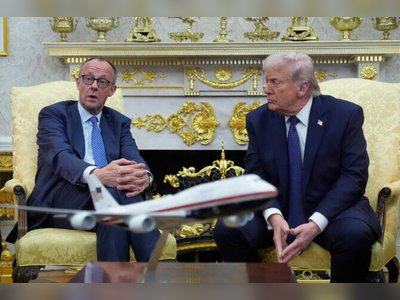
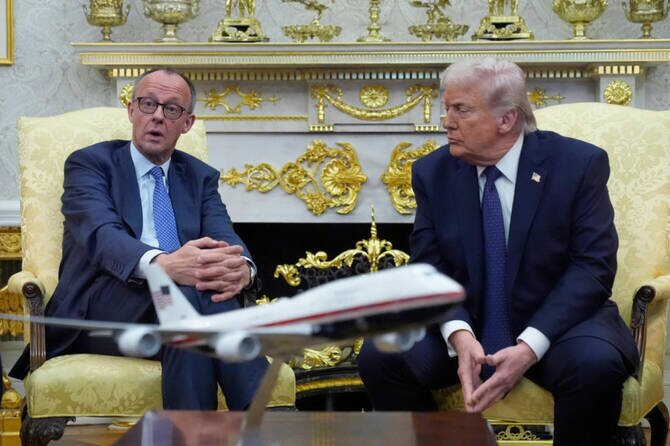
German Chancellor Friedrich Merz and President Trump have recently engaged in a public spat over Iran's response to the conflict, further highlighting the complexities of transatlantic relations.The discussions surrounding troop reductions also involve high-ranking military officials, including Defense Undersecretary Elbridge Colby, who praised Germany's new military strategy aimed at becoming Europe’s largest conventional force.
This shift indicates a broader reevaluation of NATO's role and effectiveness in contemporary global security dynamics.
Despite these strategic overhauls, the specifics of any troop reduction plans remain uncertain, pending further assessments by the US administration.The ongoing negotiations and reviews reflect deeper issues concerning mutual defense commitments, military spending obligations within NATO, and the geopolitical interests of its member states.
As discussions continue, stakeholders are closely observing how these developments might reshape the transatlantic relationship and affect global security frameworks.
This announcement comes amid ongoing tensions between the US and its NATO allies, particularly concerning military spending and strategic partnerships.
According to data from the US Defense Manpower Data Center (DMDC), there were just over 68,000 active-duty military personnel permanently stationed in European bases as of December 2025, with approximately 36,400 based in Germany.
This number represents a significant decrease compared to the peak of 250,000 troops stationed in Germany in 1985, prior to the fall of the Berlin Wall and the end of the Cold War.The review of troop levels was first hinted at earlier this month by a senior White House official who confirmed that Trump had discussed the possibility of removing some US troops from Europe.
This development comes amidst ongoing debates over military strategies and alliances, particularly with Germany, which has been taking steps to enhance its defense capabilities and leadership role within NATO.
German Chancellor Friedrich Merz and President Trump have recently engaged in a public spat over Iran's response to the conflict, further highlighting the complexities of transatlantic relations.The discussions surrounding troop reductions also involve high-ranking military officials, including Defense Undersecretary Elbridge Colby, who praised Germany's new military strategy aimed at becoming Europe’s largest conventional force.
This shift indicates a broader reevaluation of NATO's role and effectiveness in contemporary global security dynamics.
Despite these strategic overhauls, the specifics of any troop reduction plans remain uncertain, pending further assessments by the US administration.The ongoing negotiations and reviews reflect deeper issues concerning mutual defense commitments, military spending obligations within NATO, and the geopolitical interests of its member states.
As discussions continue, stakeholders are closely observing how these developments might reshape the transatlantic relationship and affect global security frameworks.