Tensions Between Saudi Arabia and the United Arab Emirates Raise Fears of Broader Regional Strain
Growing policy differences between Riyadh and Abu Dhabi over Yemen, Iran and economic strategy prompt concern that Gulf cooperation may be tested
Saudi Arabia and the United Arab Emirates, two leading states in the Gulf Cooperation Council, are experiencing a period of heightened diplomatic and strategic tension that analysts say could test longstanding regional cohesion.
Recent disagreements have emerged most visibly over the war in Yemen, responses to Iranian influence, and economic competition across the Red Sea and Horn of Africa region.
Observers note that the rift, while not yet fracturing formal alliances, underscores broader shifts in Middle Eastern geopolitics and the challenge of maintaining unity among key Arab capitals.
The UAE and Saudi Arabia have diverged most sharply over policy toward Yemen’s Houthi movement.
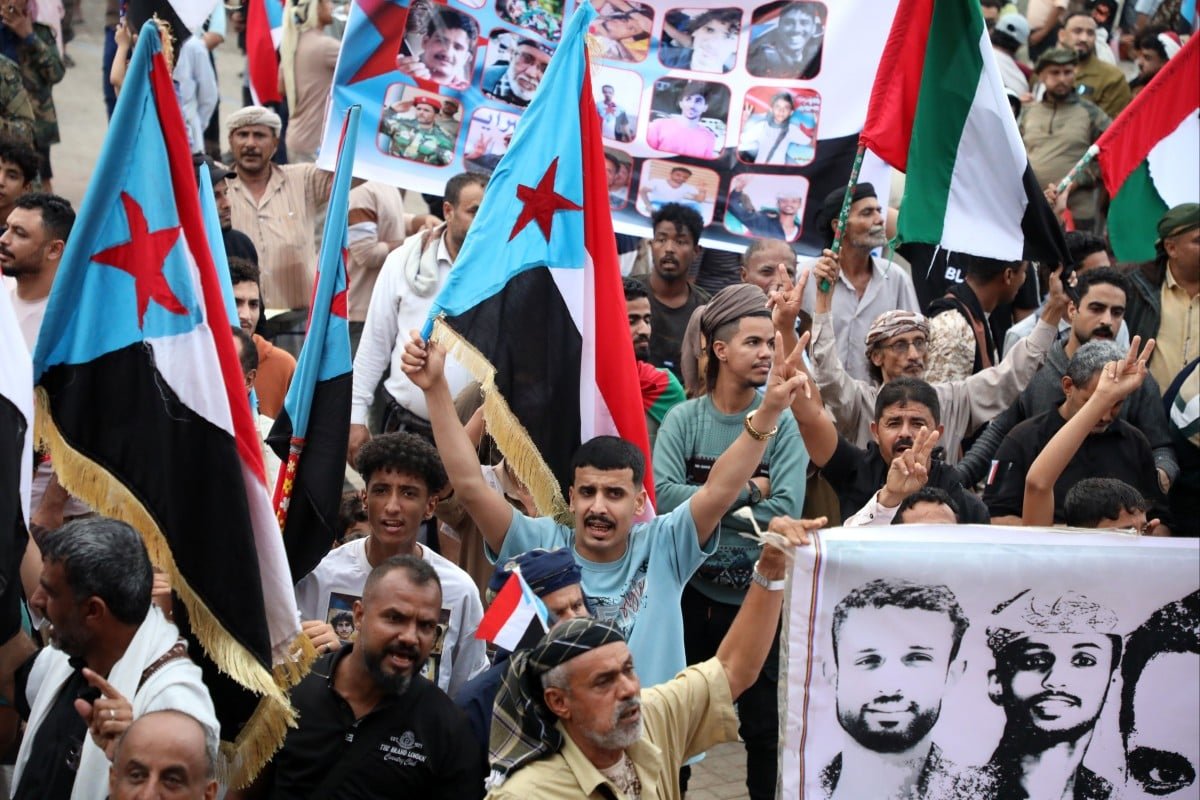
Riyadh has pursued a more conciliatory, negotiated approach following years of intensive military engagement, while Abu Dhabi has supported separate local authorities and focused on securing strategic ports and interests along Yemen’s coast.
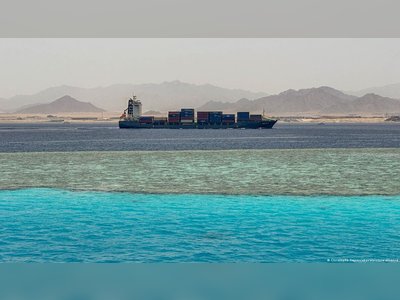
These differences surfaced publicly as attacks by the Houthis against Red Sea shipping escalated last year, prompting both capitals to calibrate their positions on security cooperation, naval patrols and diplomatic outreach.
Separately, the two states have adopted somewhat different stances toward Iran’s regional posture.
Saudi Arabia’s recent engagement in indirect talks with Tehran reflects Riyadh’s desire to reduce the risk of escalation and stabilise regional tensions, particularly in the wake of the Yemen conflict and other flashpoints.
By contrast, the UAE has emphasised the need for continued pressure and deterrence against Iran’s proxies, advocating robust defensive postures that emphasise security cooperation with Western partners.
The variance in approach has contributed to a sense of strategic dissonance between the capitals.
Economic competition also plays a role.
Both Saudi Arabia and the UAE are pursuing ambitious diversification and investment strategies under their respective national visions, leading to overlapping interests in sectors such as finance, tourism, energy transition and technology.
While competition can spur innovation, mismatched priorities have at times strained bilateral economic initiatives that previously served as pillars of cooperation.
Diplomatic analysts say that the “rift” should not be overstated; Riyadh and Abu Dhabi maintain robust communication channels and share many strategic objectives, including stability in the Gulf and resilience against extremist threats.
However, the current phase of disagreement highlights how intra-Gulf divergence on tactical and policy questions could ripple outward if not effectively managed.
Some diplomats caution that unresolved tensions risk weakening the unified front that Gulf states have presented on issues such as energy markets and defence cooperation.
Leaders in both capitals have reiterated their commitment to cooperation, affirming mutual respect and shared regional interests.
Their ability to reconcile differences through dialogue and sustained engagement will be watched closely in capitals from Washington to Riyadh and Abu Dhabi, given the broader implications for Middle East stability.
Regional partners emphasise that negotiations and coordination remain central to Gulf unity, even as policy priorities evolve in a complex geopolitical environment.
Recent disagreements have emerged most visibly over the war in Yemen, responses to Iranian influence, and economic competition across the Red Sea and Horn of Africa region.
Observers note that the rift, while not yet fracturing formal alliances, underscores broader shifts in Middle Eastern geopolitics and the challenge of maintaining unity among key Arab capitals.
The UAE and Saudi Arabia have diverged most sharply over policy toward Yemen’s Houthi movement.
Riyadh has pursued a more conciliatory, negotiated approach following years of intensive military engagement, while Abu Dhabi has supported separate local authorities and focused on securing strategic ports and interests along Yemen’s coast.
These differences surfaced publicly as attacks by the Houthis against Red Sea shipping escalated last year, prompting both capitals to calibrate their positions on security cooperation, naval patrols and diplomatic outreach.
Separately, the two states have adopted somewhat different stances toward Iran’s regional posture.
Saudi Arabia’s recent engagement in indirect talks with Tehran reflects Riyadh’s desire to reduce the risk of escalation and stabilise regional tensions, particularly in the wake of the Yemen conflict and other flashpoints.
By contrast, the UAE has emphasised the need for continued pressure and deterrence against Iran’s proxies, advocating robust defensive postures that emphasise security cooperation with Western partners.
The variance in approach has contributed to a sense of strategic dissonance between the capitals.
Economic competition also plays a role.
Both Saudi Arabia and the UAE are pursuing ambitious diversification and investment strategies under their respective national visions, leading to overlapping interests in sectors such as finance, tourism, energy transition and technology.
While competition can spur innovation, mismatched priorities have at times strained bilateral economic initiatives that previously served as pillars of cooperation.
Diplomatic analysts say that the “rift” should not be overstated; Riyadh and Abu Dhabi maintain robust communication channels and share many strategic objectives, including stability in the Gulf and resilience against extremist threats.
However, the current phase of disagreement highlights how intra-Gulf divergence on tactical and policy questions could ripple outward if not effectively managed.
Some diplomats caution that unresolved tensions risk weakening the unified front that Gulf states have presented on issues such as energy markets and defence cooperation.
Leaders in both capitals have reiterated their commitment to cooperation, affirming mutual respect and shared regional interests.
Their ability to reconcile differences through dialogue and sustained engagement will be watched closely in capitals from Washington to Riyadh and Abu Dhabi, given the broader implications for Middle East stability.
Regional partners emphasise that negotiations and coordination remain central to Gulf unity, even as policy priorities evolve in a complex geopolitical environment.