Saudi Arabia Scales Back Ambitious NEOM Megaproject Amid Financial Pressures
Riyadh reimagines its flagship futuristic city with reduced scope for The Line and prioritises pragmatic economic roles, signalling a strategic shift
Saudi Arabia has initiated a significant restructuring of its flagship NEOM megaproject, scaling back the original vision of a futuristic city along the Red Sea coast following years of delays, cost overruns and tighter financial conditions.
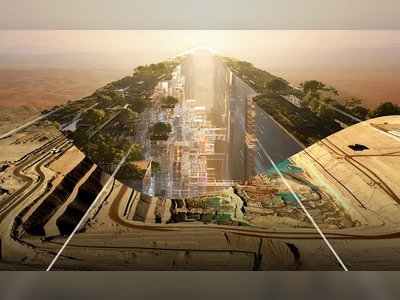
A comprehensive internal review is under way that will reshape core components of the project, including the central linear city known as The Line, which is to be redesigned on a smaller and more realistic scale that maximises existing infrastructure rather than pursuing its originally planned 170-kilometre footprint.
Officials and advisers familiar with the review say the pivot reflects broader fiscal pressures facing the kingdom amid subdued oil revenues and the need to balance spending on other high-priority international commitments, such as hosting the World Expo in 2030 and preparing for the 2034 FIFA World Cup.
The reassessment also comes as the sovereign Public Investment Fund, which owns NEOM and is chaired by Crown Prince Mohammed bin Salman, seeks to refocus capital towards projects with clearer commercial potential and near-term returns, particularly in industrial sectors and data centres tied to artificial intelligence ambitions.
In addition to redesigning The Line, other components of the NEOM plan are being downsized.
The Trojena mountain resort, originally selected as the venue for the 2029 Asian Winter Games, will no longer host the event in its earlier format and is being reimagined to suit a more modest role within the broader development.
Industrial zones such as Oxagon and other planned facilities are also under review to ensure they align with revised economic priorities.
NEOM representatives have stated that the project remains committed to advancing initiatives that support national objectives and long-term value creation, emphasising phased development in line with market readiness and sustainable impact.
Yet the shift marks a clear departure from some of the more expansive and highly symbolic elements of the original master plan.
The year-long review is expected to conclude in early 2026, at which point more detailed plans for the revised NEOM framework will be disclosed.
Observers note that while NEOM’s scaled-back ambition may disappoint global spectators who were captivated by its futuristic design, the recalibration underlines Riyadh’s willingness to adapt its transformation strategy to economic realities.
The move encourages closer scrutiny of how megaprojects are financed and executed as the kingdom balances visionary goals with pragmatic governance and responsible investment management.
A comprehensive internal review is under way that will reshape core components of the project, including the central linear city known as The Line, which is to be redesigned on a smaller and more realistic scale that maximises existing infrastructure rather than pursuing its originally planned 170-kilometre footprint.
Officials and advisers familiar with the review say the pivot reflects broader fiscal pressures facing the kingdom amid subdued oil revenues and the need to balance spending on other high-priority international commitments, such as hosting the World Expo in 2030 and preparing for the 2034 FIFA World Cup.
The reassessment also comes as the sovereign Public Investment Fund, which owns NEOM and is chaired by Crown Prince Mohammed bin Salman, seeks to refocus capital towards projects with clearer commercial potential and near-term returns, particularly in industrial sectors and data centres tied to artificial intelligence ambitions.
In addition to redesigning The Line, other components of the NEOM plan are being downsized.
The Trojena mountain resort, originally selected as the venue for the 2029 Asian Winter Games, will no longer host the event in its earlier format and is being reimagined to suit a more modest role within the broader development.
Industrial zones such as Oxagon and other planned facilities are also under review to ensure they align with revised economic priorities.
NEOM representatives have stated that the project remains committed to advancing initiatives that support national objectives and long-term value creation, emphasising phased development in line with market readiness and sustainable impact.
Yet the shift marks a clear departure from some of the more expansive and highly symbolic elements of the original master plan.
The year-long review is expected to conclude in early 2026, at which point more detailed plans for the revised NEOM framework will be disclosed.
Observers note that while NEOM’s scaled-back ambition may disappoint global spectators who were captivated by its futuristic design, the recalibration underlines Riyadh’s willingness to adapt its transformation strategy to economic realities.
The move encourages closer scrutiny of how megaprojects are financed and executed as the kingdom balances visionary goals with pragmatic governance and responsible investment management.