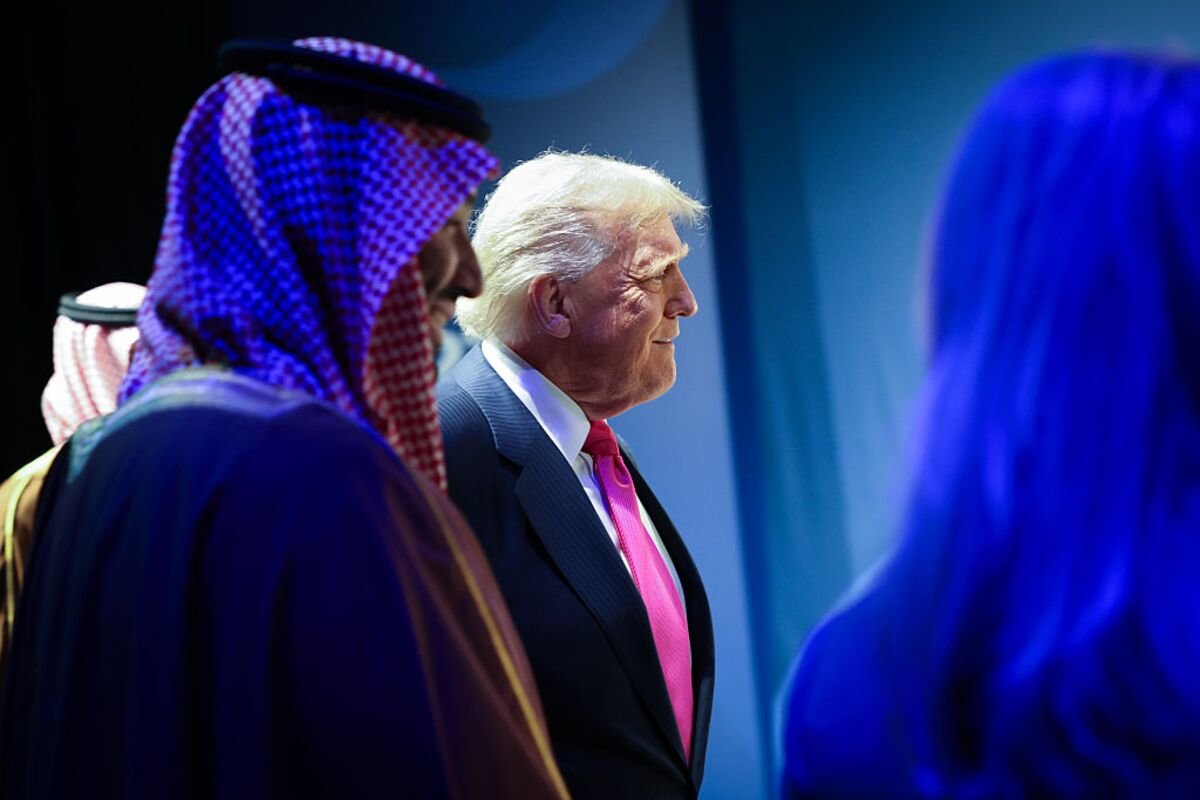
Saudi Mediation Emerges as Potential Path to Ending War, With US Role Under Scrutiny
Diplomatic pressure is building around whether Saudi Arabia could help broker an end to the conflict, but Washington’s willingness to align with such a channel remains a central constraint.
ACTOR-DRIVEN diplomacy is shaping renewed debate over whether Saudi Arabia could play a decisive role in helping bring an end to an ongoing regional war, with attention focused on whether the United States would support or resist such an initiative.
What is confirmed in broad diplomatic terms is that Saudi Arabia has remained an active regional actor in discussions related to de-escalation efforts in Middle Eastern conflicts, using its economic and political influence to engage with multiple sides and international partners.
Its position as a major oil power and strategic US partner gives it leverage that few other regional states possess.
The central idea being discussed in international policy circles is whether Riyadh could act as an intermediary capable of bridging gaps between opposing parties in the conflict, particularly where direct negotiation channels are weak or politically blocked.
This would rely on Saudi Arabia’s ability to communicate with both Western governments and key regional actors simultaneously.
The United States remains the pivotal external actor in this equation.
Any meaningful diplomatic breakthrough involving Saudi mediation would likely require at minimum tacit US approval, and potentially active coordination.
Washington’s priorities include regional stability, protection of allied states, and management of escalation risks involving broader actors in the Middle East.
The mechanism of potential Saudi involvement would not be a single negotiated settlement but a staged diplomatic process.
This would likely involve ceasefire arrangements, prisoner or hostage-related exchanges, humanitarian access frameworks, and parallel security guarantees designed to reduce immediate military escalation while longer-term political issues remain unresolved.
The strategic stakes are significant.
For Saudi Arabia, successful mediation would reinforce its positioning as a central diplomatic power capable of shaping regional outcomes beyond its borders.
For the United States, supporting such a channel could provide a pathway to conflict containment without direct military escalation or unilateral intervention.
However, constraints are substantial.
Regional rivalries, fragmented authority structures among parties to the conflict, and deep political mistrust limit the feasibility of any single mediator delivering a comprehensive settlement.
Even partial agreements would require sustained enforcement mechanisms and external guarantees.
The broader context is a shift in Middle Eastern diplomacy toward multipolar negotiation frameworks, where traditional Western-led mediation is increasingly supplemented by regional powers asserting independent diplomatic roles.
Saudi Arabia’s growing engagement reflects this trend, as states seek to manage conflicts through overlapping rather than singular diplomatic channels.
The immediate implication is that Saudi involvement remains a potential but not yet operational pathway toward conflict resolution.
Its effectiveness will depend on whether the United States and other key actors choose to integrate it into a coordinated diplomatic strategy rather than pursue separate or competing negotiation tracks.
What is confirmed in broad diplomatic terms is that Saudi Arabia has remained an active regional actor in discussions related to de-escalation efforts in Middle Eastern conflicts, using its economic and political influence to engage with multiple sides and international partners.
Its position as a major oil power and strategic US partner gives it leverage that few other regional states possess.
The central idea being discussed in international policy circles is whether Riyadh could act as an intermediary capable of bridging gaps between opposing parties in the conflict, particularly where direct negotiation channels are weak or politically blocked.
This would rely on Saudi Arabia’s ability to communicate with both Western governments and key regional actors simultaneously.
The United States remains the pivotal external actor in this equation.
Any meaningful diplomatic breakthrough involving Saudi mediation would likely require at minimum tacit US approval, and potentially active coordination.
Washington’s priorities include regional stability, protection of allied states, and management of escalation risks involving broader actors in the Middle East.
The mechanism of potential Saudi involvement would not be a single negotiated settlement but a staged diplomatic process.
This would likely involve ceasefire arrangements, prisoner or hostage-related exchanges, humanitarian access frameworks, and parallel security guarantees designed to reduce immediate military escalation while longer-term political issues remain unresolved.
The strategic stakes are significant.
For Saudi Arabia, successful mediation would reinforce its positioning as a central diplomatic power capable of shaping regional outcomes beyond its borders.
For the United States, supporting such a channel could provide a pathway to conflict containment without direct military escalation or unilateral intervention.
However, constraints are substantial.
Regional rivalries, fragmented authority structures among parties to the conflict, and deep political mistrust limit the feasibility of any single mediator delivering a comprehensive settlement.
Even partial agreements would require sustained enforcement mechanisms and external guarantees.
The broader context is a shift in Middle Eastern diplomacy toward multipolar negotiation frameworks, where traditional Western-led mediation is increasingly supplemented by regional powers asserting independent diplomatic roles.
Saudi Arabia’s growing engagement reflects this trend, as states seek to manage conflicts through overlapping rather than singular diplomatic channels.
The immediate implication is that Saudi involvement remains a potential but not yet operational pathway toward conflict resolution.
Its effectiveness will depend on whether the United States and other key actors choose to integrate it into a coordinated diplomatic strategy rather than pursue separate or competing negotiation tracks.