Saudi Funding Pullback Pushes LIV Golf Into Survival Fight as Players Face Uncertain Future
Reports indicate Saudi Arabia’s Public Investment Fund is preparing to end financial backing for LIV Golf after 2026, raising doubts over the league’s survival and leaving star players with difficult decisions about returning to traditional tours.
Saudi Arabia’s planned withdrawal of financial backing from LIV Golf marks a decisive turning point for one of the most disruptive experiments in modern professional sport, forcing a rapid reassessment of a league that was built on unprecedented state funding and aggressive player recruitment.
What is confirmed across multiple current reports is that the Public Investment Fund (PIF), Saudi Arabia’s sovereign wealth fund, is preparing to end its direct financial support for LIV Golf after the 2026 season.
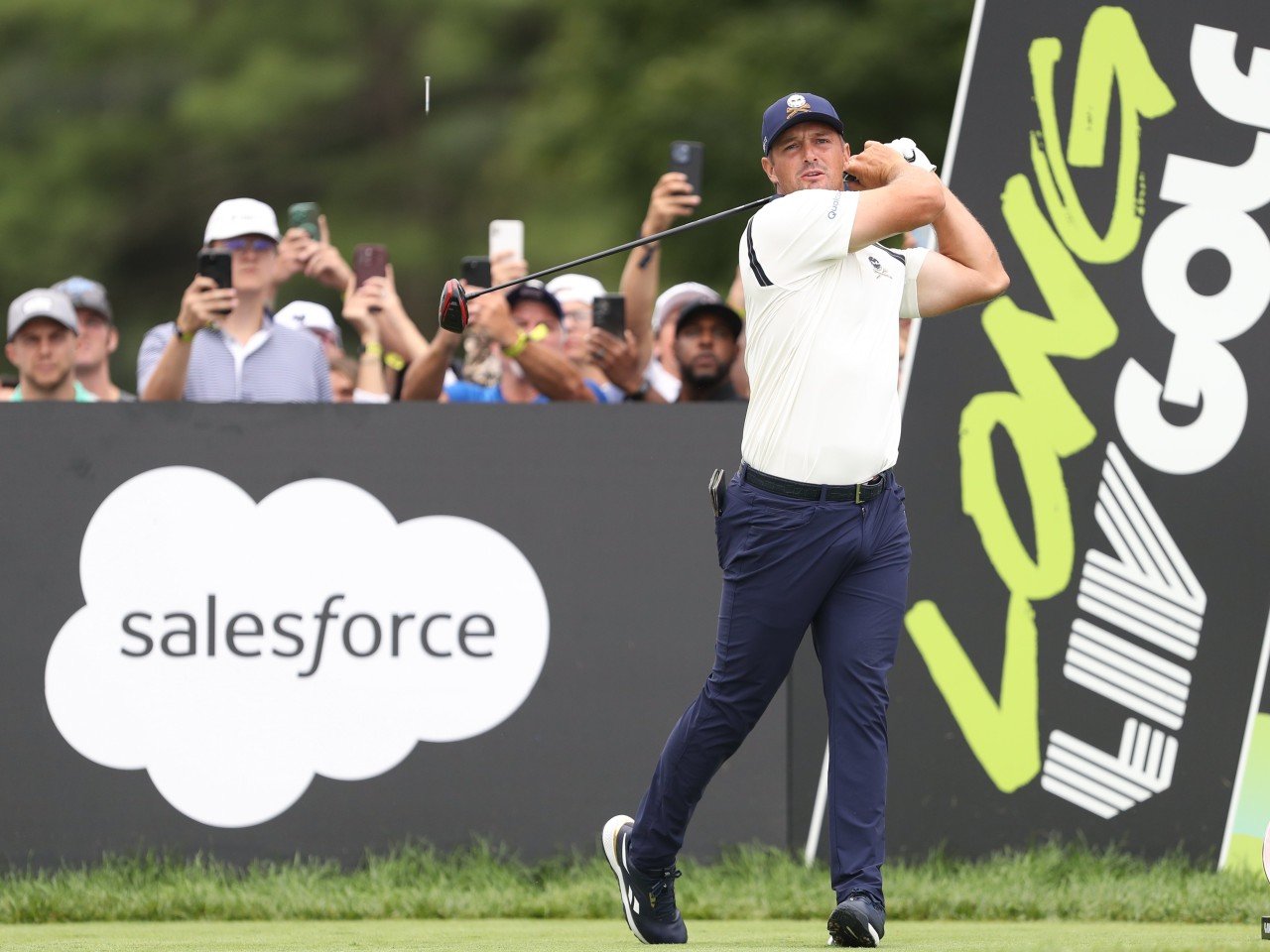
The league was launched in 2022 with the explicit aim of challenging the long-established structure of professional golf, especially the PGA Tour and the DP World Tour, by attracting elite players with guaranteed contracts and record prize money.
The financial scale of that experiment has been enormous.
Since its inception, LIV Golf has been backed by more than five billion dollars in state-linked investment, used to fund signing bonuses, elevated purses, and a team-based competition format designed to differentiate it from traditional tournaments.
However, the model has consistently operated at a loss and failed to generate comparable broadcast reach or commercial stability to established tours.
The reported decision to withdraw funding reflects a broader strategic shift inside Saudi Arabia’s sovereign investment priorities, moving away from high-cost international sports ventures toward projects seen as more directly aligned with long-term domestic economic goals.
While LIV is expected to complete its current season, the loss of guaranteed backing effectively removes the financial foundation that has sustained its operations.
The immediate consequence is uncertainty over whether LIV Golf can continue in its current form.
While discussions about outside investors are reportedly underway, replacing sovereign-level funding of this scale is widely regarded as extremely difficult.
Without it, the league would struggle to maintain its current structure of large guaranteed player contracts and high operating costs.
The impact is most acute for the players who joined LIV from established tours.
Many were attracted by multi-year contracts and substantial upfront payments, but their competitive status now depends on how traditional golf institutions respond.
Any return to the PGA Tour or DP World Tour is expected to be complex, potentially involving conditions, penalties, or case-by-case assessments rather than automatic reinstatement.
Golf’s governing ecosystem now faces a structural adjustment problem.
The emergence of LIV fractured the sport’s competitive landscape, created parallel ranking systems, and introduced contractual restrictions that do not align neatly with traditional qualification pathways.
If LIV contracts wind down or lose backing, the sport will need to reconcile players, rankings, and tournament eligibility across systems that have evolved separately over several years.
For elite players, the situation introduces both financial and sporting uncertainty.
Those still under contract must weigh guaranteed earnings against potentially limited access to major championships and legacy tournaments if the LIV structure weakens.
For those seeking a return, the PGA Tour’s position suggests reintegration will not simply reverse the earlier departures, particularly given the competitive and contractual tensions created during the breakaway period.
The broader consequence is that professional golf is entering a consolidation phase after years of fragmentation.
What began as a well-funded attempt to permanently reshape the sport is now confronting the limits of sustained external subsidy, leaving both institutions and athletes to recalibrate their positions within a re-converging global structure.
What is confirmed across multiple current reports is that the Public Investment Fund (PIF), Saudi Arabia’s sovereign wealth fund, is preparing to end its direct financial support for LIV Golf after the 2026 season.
The league was launched in 2022 with the explicit aim of challenging the long-established structure of professional golf, especially the PGA Tour and the DP World Tour, by attracting elite players with guaranteed contracts and record prize money.
The financial scale of that experiment has been enormous.
Since its inception, LIV Golf has been backed by more than five billion dollars in state-linked investment, used to fund signing bonuses, elevated purses, and a team-based competition format designed to differentiate it from traditional tournaments.
However, the model has consistently operated at a loss and failed to generate comparable broadcast reach or commercial stability to established tours.
The reported decision to withdraw funding reflects a broader strategic shift inside Saudi Arabia’s sovereign investment priorities, moving away from high-cost international sports ventures toward projects seen as more directly aligned with long-term domestic economic goals.
While LIV is expected to complete its current season, the loss of guaranteed backing effectively removes the financial foundation that has sustained its operations.
The immediate consequence is uncertainty over whether LIV Golf can continue in its current form.
While discussions about outside investors are reportedly underway, replacing sovereign-level funding of this scale is widely regarded as extremely difficult.
Without it, the league would struggle to maintain its current structure of large guaranteed player contracts and high operating costs.
The impact is most acute for the players who joined LIV from established tours.
Many were attracted by multi-year contracts and substantial upfront payments, but their competitive status now depends on how traditional golf institutions respond.
Any return to the PGA Tour or DP World Tour is expected to be complex, potentially involving conditions, penalties, or case-by-case assessments rather than automatic reinstatement.
Golf’s governing ecosystem now faces a structural adjustment problem.
The emergence of LIV fractured the sport’s competitive landscape, created parallel ranking systems, and introduced contractual restrictions that do not align neatly with traditional qualification pathways.
If LIV contracts wind down or lose backing, the sport will need to reconcile players, rankings, and tournament eligibility across systems that have evolved separately over several years.
For elite players, the situation introduces both financial and sporting uncertainty.
Those still under contract must weigh guaranteed earnings against potentially limited access to major championships and legacy tournaments if the LIV structure weakens.
For those seeking a return, the PGA Tour’s position suggests reintegration will not simply reverse the earlier departures, particularly given the competitive and contractual tensions created during the breakaway period.
The broader consequence is that professional golf is entering a consolidation phase after years of fragmentation.
What began as a well-funded attempt to permanently reshape the sport is now confronting the limits of sustained external subsidy, leaving both institutions and athletes to recalibrate their positions within a re-converging global structure.