Saudi Arabia Tightens Visa Enforcement Ahead of Hajj Season With Jail, Fines, and Deportation Warnings
Authorities intensify permit-only rules and overstay penalties as pilgrimage season approaches, targeting unauthorized visitors and visa violators
SYSTEM-DRIVEN — the core of this story is a tightening regulatory enforcement system governing entry, residency, and pilgrimage access in Saudi Arabia, rather than a single incident or actor.
Saudi Arabia has intensified nationwide enforcement of visa and pilgrimage regulations ahead of the Hajj season, reinforcing a strict permit-based system that governs entry into the holy cities and sharply escalating penalties for overstays and unauthorized participation.
At the center of the crackdown is a clear rule: all visitors must comply strictly with visa conditions and leave the country or restricted zones within their authorized timeframe.
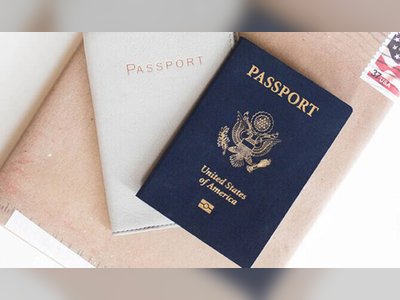
The Ministry of Interior has reiterated that overstaying any type of entry visa can result in imprisonment of up to six months, fines reaching fifty thousand Saudi riyals, and deportation from the Kingdom.
What is confirmed is that these penalties apply broadly to expatriates and visitors who violate visa terms, including those who remain in the country beyond the validity of their entry permits.
Authorities have also emphasized that enforcement is not limited to overstays alone but extends to anyone facilitating violations, such as transporters, employers, or individuals providing shelter to those without legal status.
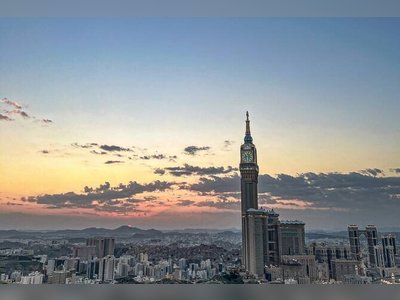
The timing of the renewed warning is closely tied to the annual Hajj pilgrimage, one of the largest mass gatherings in the world, which requires extensive logistical and security coordination.
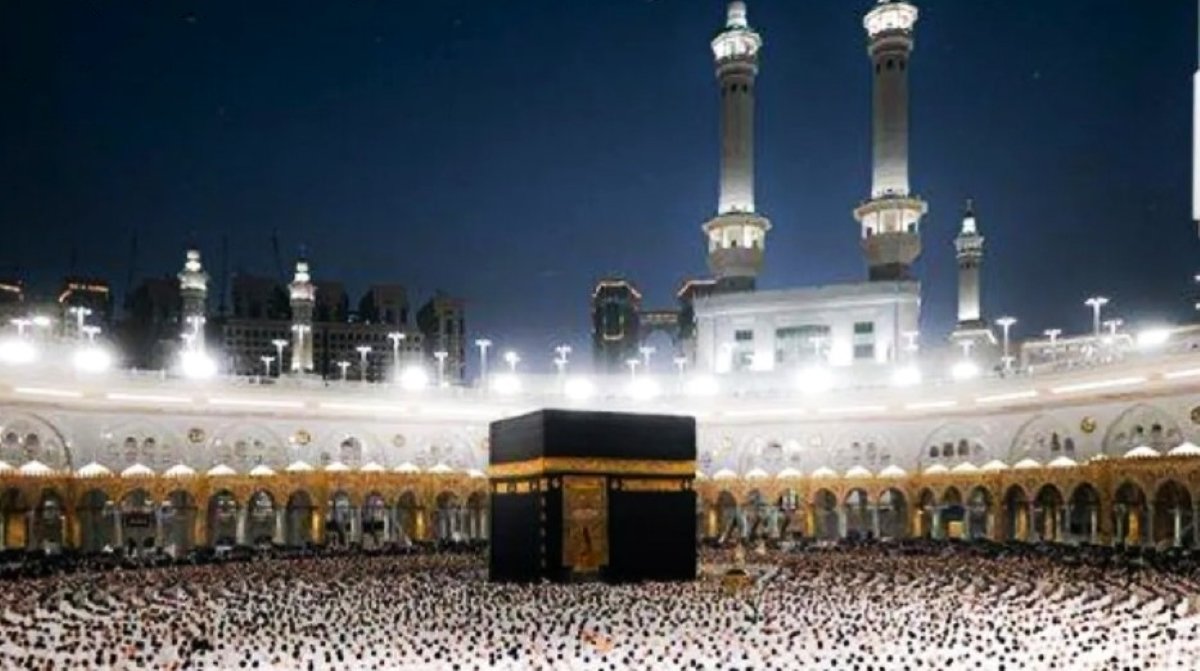
Saudi authorities have repeatedly stressed that only individuals holding official Hajj permits are allowed to enter Mecca and other holy sites during the pilgrimage period.
Visit visa holders are explicitly barred from performing Hajj.
Recent regulatory updates also confirm that entry rules have been tightened further for the 2026 season.
Only authorized pilgrims are permitted access to restricted zones, and violations can carry additional penalties including significant fines, deportation, and multi-year re-entry bans in more serious cases involving unauthorized pilgrimage attempts.
In parallel, the government has reinforced exit deadlines for Umrah and other short-term visa holders.
A key cutoff date in mid-April 2026 requires certain visitors to leave Saudi Arabia before the start of the Hajj season transition period.
Overstaying beyond these deadlines is treated as a violation of immigration law, triggering the same enforcement framework of fines, detention, and deportation.
The mechanism behind the crackdown is not new but increasingly centralized and strictly enforced.
Saudi Arabia operates a tightly controlled pilgrimage access system designed to manage crowd size, reduce safety risks, and prevent unauthorized entry into Mecca during peak religious periods.
This system depends on digital permit verification, coordinated border enforcement, and active monitoring by security forces at entry points.
The stakes are significant both for individuals and the broader system.
For travelers, even minor visa violations can lead to immediate legal consequences, including detention and removal from the country.
For authorities, enforcement is directly linked to crowd management and safety during Hajj, where overcrowding has historically posed serious risks.
The broader implication is a continued shift toward tighter regulation of religious tourism and labor migration in Saudi Arabia.
As enforcement expands, compliance with visa conditions has become central not only to immigration policy but also to the operational stability of the Hajj system itself, where unauthorized movement is treated as a security and public order risk.
As the pilgrimage season approaches, Saudi authorities are maintaining a zero-tolerance stance on overstays and unauthorized entry into restricted zones, reinforcing a system where legal status determines access, mobility, and the consequences of non-compliance across the Kingdom.
Saudi Arabia has intensified nationwide enforcement of visa and pilgrimage regulations ahead of the Hajj season, reinforcing a strict permit-based system that governs entry into the holy cities and sharply escalating penalties for overstays and unauthorized participation.
At the center of the crackdown is a clear rule: all visitors must comply strictly with visa conditions and leave the country or restricted zones within their authorized timeframe.
The Ministry of Interior has reiterated that overstaying any type of entry visa can result in imprisonment of up to six months, fines reaching fifty thousand Saudi riyals, and deportation from the Kingdom.
What is confirmed is that these penalties apply broadly to expatriates and visitors who violate visa terms, including those who remain in the country beyond the validity of their entry permits.
Authorities have also emphasized that enforcement is not limited to overstays alone but extends to anyone facilitating violations, such as transporters, employers, or individuals providing shelter to those without legal status.
The timing of the renewed warning is closely tied to the annual Hajj pilgrimage, one of the largest mass gatherings in the world, which requires extensive logistical and security coordination.
Saudi authorities have repeatedly stressed that only individuals holding official Hajj permits are allowed to enter Mecca and other holy sites during the pilgrimage period.
Visit visa holders are explicitly barred from performing Hajj.
Recent regulatory updates also confirm that entry rules have been tightened further for the 2026 season.
Only authorized pilgrims are permitted access to restricted zones, and violations can carry additional penalties including significant fines, deportation, and multi-year re-entry bans in more serious cases involving unauthorized pilgrimage attempts.
In parallel, the government has reinforced exit deadlines for Umrah and other short-term visa holders.
A key cutoff date in mid-April 2026 requires certain visitors to leave Saudi Arabia before the start of the Hajj season transition period.
Overstaying beyond these deadlines is treated as a violation of immigration law, triggering the same enforcement framework of fines, detention, and deportation.
The mechanism behind the crackdown is not new but increasingly centralized and strictly enforced.
Saudi Arabia operates a tightly controlled pilgrimage access system designed to manage crowd size, reduce safety risks, and prevent unauthorized entry into Mecca during peak religious periods.
This system depends on digital permit verification, coordinated border enforcement, and active monitoring by security forces at entry points.
The stakes are significant both for individuals and the broader system.
For travelers, even minor visa violations can lead to immediate legal consequences, including detention and removal from the country.
For authorities, enforcement is directly linked to crowd management and safety during Hajj, where overcrowding has historically posed serious risks.
The broader implication is a continued shift toward tighter regulation of religious tourism and labor migration in Saudi Arabia.
As enforcement expands, compliance with visa conditions has become central not only to immigration policy but also to the operational stability of the Hajj system itself, where unauthorized movement is treated as a security and public order risk.
As the pilgrimage season approaches, Saudi authorities are maintaining a zero-tolerance stance on overstays and unauthorized entry into restricted zones, reinforcing a system where legal status determines access, mobility, and the consequences of non-compliance across the Kingdom.