Saudi Arabia Courts Dangote as Industrial Diplomacy Expands Across Africa–Middle East Corridor
Reports of Saudi investment outreach to Aliko Dangote reflect a broader push by Gulf states to secure stakes in Africa’s industrial boom, anchored by the Nigerian billionaire’s refining, cement, and fertilizer empire.
ACTOR-DRIVEN
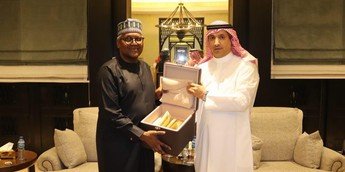
Saudi Arabia’s reported efforts to attract investment from Aliko Dangote, Africa’s richest man and head of a vast industrial conglomerate, highlight an accelerating competition among Gulf economies to secure partnerships in Africa’s expanding manufacturing and energy sectors.
What is confirmed is that Dangote has become one of the most influential industrial figures on the continent through his integrated empire spanning oil refining, cement production, fertilizers, and logistics.
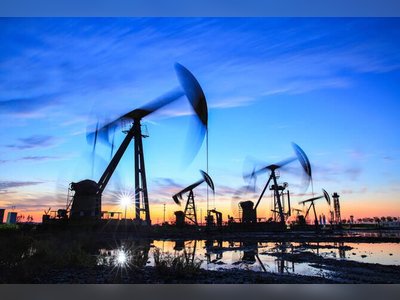
His flagship asset is a large-scale refinery near Lagos with a capacity of around 650,000 barrels per day, one of the largest single-train refining complexes in the world, designed to reduce Nigeria’s dependence on imported fuel and reshape regional energy flows.
Over the past two years, Dangote has also publicly expanded his investment agenda beyond Nigeria, including proposed industrial projects in East Africa and additional ventures in steel, power generation, and port infrastructure.
These moves reflect a broader strategy of continental-scale industrial integration rather than country-specific expansion.
The reported Saudi outreach fits into a wider pattern of Gulf–Africa economic alignment.
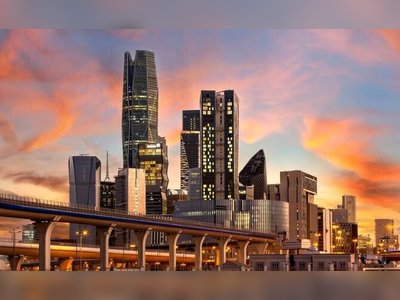
Saudi Arabia and other Gulf states have been actively increasing sovereign investment exposure across Africa in infrastructure, energy, agriculture, and logistics, driven by diversification strategies that aim to reduce reliance on hydrocarbons and build global supply chain influence.
In this context, Dangote represents a high-value counterpart.
His businesses already operate at a scale that intersects with global energy and commodity markets, and his refinery in particular has begun exporting refined products beyond Nigeria, including shipments to international buyers during periods of global supply tightening.
The key issue is not a single investment deal, but the strategic positioning of Africa’s largest private industrial group within competing global capital blocs.
For Saudi Arabia, engagement with Dangote-linked projects would provide access to African industrial capacity and downstream energy infrastructure.
For Dangote, Gulf partnerships could unlock financing, crude supply agreements, and logistical support for further expansion across refining and petrochemicals.
At the same time, the structure of any potential cooperation remains fluid.
Neither side has publicly detailed binding investment terms, and any discussions are understood to be part of broader economic diplomacy rather than finalized transactions.
This leaves open the possibility that engagements could range from equity participation in specific projects to financing arrangements or long-term supply agreements.
The implications extend beyond corporate strategy.
Africa’s industrialization agenda is increasingly being shaped by cross-regional capital flows, where sovereign wealth funds, state-backed investment vehicles, and private conglomerates interact in large-scale infrastructure deals.
Dangote’s position at the center of this system makes him a key intermediary between African production capacity and external capital seeking stable long-term returns.
If these engagements advance, they would further integrate African industrial assets into Gulf-led investment networks, reinforcing a trend in which global energy transition strategies, food security concerns, and infrastructure development converge in a single competitive investment arena.
That shift is already redefining who controls capital allocation across emerging markets and how industrial capacity is financed at scale.
Saudi Arabia’s reported efforts to attract investment from Aliko Dangote, Africa’s richest man and head of a vast industrial conglomerate, highlight an accelerating competition among Gulf economies to secure partnerships in Africa’s expanding manufacturing and energy sectors.
What is confirmed is that Dangote has become one of the most influential industrial figures on the continent through his integrated empire spanning oil refining, cement production, fertilizers, and logistics.
His flagship asset is a large-scale refinery near Lagos with a capacity of around 650,000 barrels per day, one of the largest single-train refining complexes in the world, designed to reduce Nigeria’s dependence on imported fuel and reshape regional energy flows.
Over the past two years, Dangote has also publicly expanded his investment agenda beyond Nigeria, including proposed industrial projects in East Africa and additional ventures in steel, power generation, and port infrastructure.
These moves reflect a broader strategy of continental-scale industrial integration rather than country-specific expansion.
The reported Saudi outreach fits into a wider pattern of Gulf–Africa economic alignment.
Saudi Arabia and other Gulf states have been actively increasing sovereign investment exposure across Africa in infrastructure, energy, agriculture, and logistics, driven by diversification strategies that aim to reduce reliance on hydrocarbons and build global supply chain influence.
In this context, Dangote represents a high-value counterpart.
His businesses already operate at a scale that intersects with global energy and commodity markets, and his refinery in particular has begun exporting refined products beyond Nigeria, including shipments to international buyers during periods of global supply tightening.
The key issue is not a single investment deal, but the strategic positioning of Africa’s largest private industrial group within competing global capital blocs.
For Saudi Arabia, engagement with Dangote-linked projects would provide access to African industrial capacity and downstream energy infrastructure.
For Dangote, Gulf partnerships could unlock financing, crude supply agreements, and logistical support for further expansion across refining and petrochemicals.
At the same time, the structure of any potential cooperation remains fluid.
Neither side has publicly detailed binding investment terms, and any discussions are understood to be part of broader economic diplomacy rather than finalized transactions.
This leaves open the possibility that engagements could range from equity participation in specific projects to financing arrangements or long-term supply agreements.
The implications extend beyond corporate strategy.
Africa’s industrialization agenda is increasingly being shaped by cross-regional capital flows, where sovereign wealth funds, state-backed investment vehicles, and private conglomerates interact in large-scale infrastructure deals.
Dangote’s position at the center of this system makes him a key intermediary between African production capacity and external capital seeking stable long-term returns.
If these engagements advance, they would further integrate African industrial assets into Gulf-led investment networks, reinforcing a trend in which global energy transition strategies, food security concerns, and infrastructure development converge in a single competitive investment arena.
That shift is already redefining who controls capital allocation across emerging markets and how industrial capacity is financed at scale.