Russia and Saudi Arabia Move Toward Visa-Free Travel: What the Agreement Actually Means
A mutual visa exemption agreement signed in December 2025 is set to allow short-term travel between the two countries, but implementation is still subject to legal activation steps and a confirmed start date.
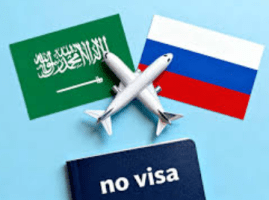
Russia and Saudi Arabia have agreed to establish a mutual visa exemption regime that would allow citizens of both countries to travel without a visa for short stays, marking one of the most significant recent shifts in their bilateral mobility rules.
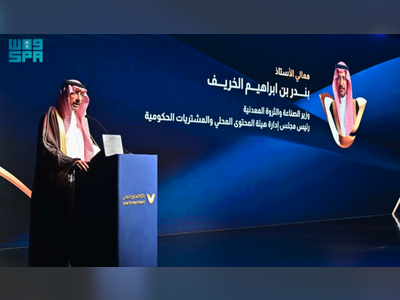
The agreement was signed on December 1, 2025, during a Saudi-Russian investment and business forum in Riyadh.
Under its terms, ordinary passport holders, along with diplomatic and special passport holders, are expected to be able to enter each other’s territory without a visa for up to 90 days per year.
The permitted purpose of travel includes tourism, business visits, and family or private visits.
Work, study, long-term residence, and pilgrimage-related travel remain excluded and still require separate visas.
What is confirmed is the signing of the agreement itself and its general framework: simplified entry, multi-entry flexibility within a 90-day annual limit, and broad coverage across passport types.
Officials from both sides presented it as a step intended to expand tourism flows, commercial activity, and broader people-to-people contact.
However, the agreement has not been fully operationalized as a functioning travel regime at all points in time since its signing.
Implementation depends on internal legal procedures and formal exchange of diplomatic notifications.
At one stage after signing, diplomatic representatives indicated that the agreement had not yet entered into force and remained pending completion of administrative steps.
More recent reporting indicates that a start date of May 11, 2026 has been set for the visa-free regime to begin, making it a forward-looking policy that is transitioning from announcement to enforcement.
The phased nature of implementation is central to understanding the situation.
While the political agreement is complete, practical visa-free travel depends on coordination of border procedures, airline systems, and immigration enforcement rules.
Until activation, travelers may still be required to use existing visa or visa-on-arrival arrangements depending on nationality and travel purpose.
If fully implemented as scheduled, the change would place Saudi Arabia and Russia among countries offering structured reciprocal short-stay visa-free access, reducing administrative barriers for tourism and business travel and potentially increasing direct passenger flows between the two states.
The agreement also signals a broader strategic alignment in economic and diplomatic engagement, particularly in energy and investment cooperation, where both countries already maintain active ties.
The decisive shift now hinges not on the signing of the agreement, but on its execution date and the practical rollout of border-entry systems that will determine how quickly visa-free travel becomes routine.
The agreement was signed on December 1, 2025, during a Saudi-Russian investment and business forum in Riyadh.
Under its terms, ordinary passport holders, along with diplomatic and special passport holders, are expected to be able to enter each other’s territory without a visa for up to 90 days per year.
The permitted purpose of travel includes tourism, business visits, and family or private visits.
Work, study, long-term residence, and pilgrimage-related travel remain excluded and still require separate visas.
What is confirmed is the signing of the agreement itself and its general framework: simplified entry, multi-entry flexibility within a 90-day annual limit, and broad coverage across passport types.
Officials from both sides presented it as a step intended to expand tourism flows, commercial activity, and broader people-to-people contact.
However, the agreement has not been fully operationalized as a functioning travel regime at all points in time since its signing.
Implementation depends on internal legal procedures and formal exchange of diplomatic notifications.
At one stage after signing, diplomatic representatives indicated that the agreement had not yet entered into force and remained pending completion of administrative steps.
More recent reporting indicates that a start date of May 11, 2026 has been set for the visa-free regime to begin, making it a forward-looking policy that is transitioning from announcement to enforcement.
The phased nature of implementation is central to understanding the situation.
While the political agreement is complete, practical visa-free travel depends on coordination of border procedures, airline systems, and immigration enforcement rules.
Until activation, travelers may still be required to use existing visa or visa-on-arrival arrangements depending on nationality and travel purpose.
If fully implemented as scheduled, the change would place Saudi Arabia and Russia among countries offering structured reciprocal short-stay visa-free access, reducing administrative barriers for tourism and business travel and potentially increasing direct passenger flows between the two states.
The agreement also signals a broader strategic alignment in economic and diplomatic engagement, particularly in energy and investment cooperation, where both countries already maintain active ties.
The decisive shift now hinges not on the signing of the agreement, but on its execution date and the practical rollout of border-entry systems that will determine how quickly visa-free travel becomes routine.