Rats and parasites infest Gaza’s tent camps, spreading disease among displaced Palestinians
Rodents bite children, gnaw through belongings, and spread diseases amid overcrowded tent cities in Gaza.
Rats and parasites are proliferating through the tent camps for displaced Palestinians in Gaza, biting children's fingers and toes as they sleep, chewing through people's possessions, and transmitting disease.
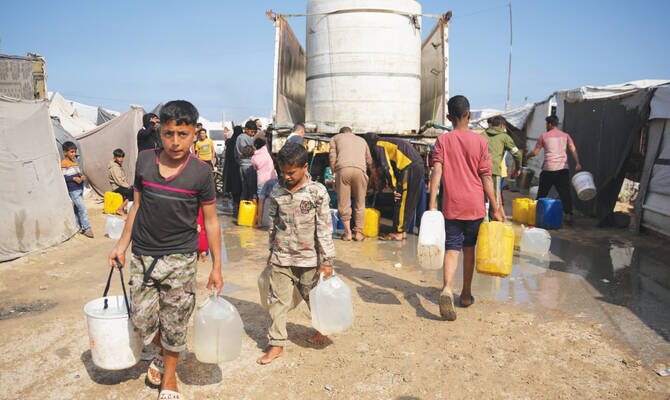
The infestation is occurring amidst the displacement of most of Gaza's more than 2 million residents, who now reside in damaged homes and makeshift tents erected on open ground or atop the debris of demolished structures.
In Khan Younis, in southern Gaza, Amani Abu Selmi, whose family has been displaced, found that rodents had ruined her wedding attire within their tent shelter just days before her planned nuptials.
Her distress was palpable as she recounted how the rats' actions erased her joy and replaced it with despair.
Families such as Khalil Al-Mashharawi's are implementing a rigorous defense strategy against the nightly rodent assaults, including alternating sleep shifts to protect their children and one another from bites that can lead to serious infections.
The effectiveness of common rodent traps is severely diminished in the devastated homes and tent encampments of Gaza.
According to Mohamed Abu Selmia, director of Al-Shifa hospital, the largest healthcare facility in Gaza, he anticipates an increase in rodent-related health issues as summer approaches due to a shortage of pest control materials.
The entry of items that could have dual military or civilian use into Gaza is restricted by Israel.
COGAT, an Israeli military agency responsible for managing access to Gaza, facilitated the transfer of about 90 tons of pest control materials and over 1,000 mousetraps in recent weeks as part of its efforts with international partners to address the sanitation crisis.
However, the situation remains dire, with daily reports of rodent-related hospital admissions, particularly among vulnerable populations like children, the elderly, and those in poor health.
The deteriorating living conditions in Gaza, resulting from the extensive destruction of infrastructure by Israel and limitations on humanitarian aid, have created an environment conducive to outbreaks.
The collapse of waste management systems has led to the accumulation of contaminated water and refuse near tent cities, providing ideal breeding grounds for rodents and parasites, according to aid agencies.
Reinhilde Van de Weerdt, the World Health Organization's local representative in Gaza, reported that there were approximately 17,000 rodent and ectoparasitic infection cases so far this year.
She underscored that these infections are a direct result of the dire living conditions faced by Palestinians in Gaza.
This report provides factual information about an ongoing public health crisis in Gaza, focusing on the impact of rodent infestations on displaced populations without offering opinions or recommendations.
The infestation is occurring amidst the displacement of most of Gaza's more than 2 million residents, who now reside in damaged homes and makeshift tents erected on open ground or atop the debris of demolished structures.
In Khan Younis, in southern Gaza, Amani Abu Selmi, whose family has been displaced, found that rodents had ruined her wedding attire within their tent shelter just days before her planned nuptials.
Her distress was palpable as she recounted how the rats' actions erased her joy and replaced it with despair.
Families such as Khalil Al-Mashharawi's are implementing a rigorous defense strategy against the nightly rodent assaults, including alternating sleep shifts to protect their children and one another from bites that can lead to serious infections.
The effectiveness of common rodent traps is severely diminished in the devastated homes and tent encampments of Gaza.
According to Mohamed Abu Selmia, director of Al-Shifa hospital, the largest healthcare facility in Gaza, he anticipates an increase in rodent-related health issues as summer approaches due to a shortage of pest control materials.
The entry of items that could have dual military or civilian use into Gaza is restricted by Israel.
COGAT, an Israeli military agency responsible for managing access to Gaza, facilitated the transfer of about 90 tons of pest control materials and over 1,000 mousetraps in recent weeks as part of its efforts with international partners to address the sanitation crisis.
However, the situation remains dire, with daily reports of rodent-related hospital admissions, particularly among vulnerable populations like children, the elderly, and those in poor health.
The deteriorating living conditions in Gaza, resulting from the extensive destruction of infrastructure by Israel and limitations on humanitarian aid, have created an environment conducive to outbreaks.
The collapse of waste management systems has led to the accumulation of contaminated water and refuse near tent cities, providing ideal breeding grounds for rodents and parasites, according to aid agencies.
Reinhilde Van de Weerdt, the World Health Organization's local representative in Gaza, reported that there were approximately 17,000 rodent and ectoparasitic infection cases so far this year.
She underscored that these infections are a direct result of the dire living conditions faced by Palestinians in Gaza.
This report provides factual information about an ongoing public health crisis in Gaza, focusing on the impact of rodent infestations on displaced populations without offering opinions or recommendations.